Welcome
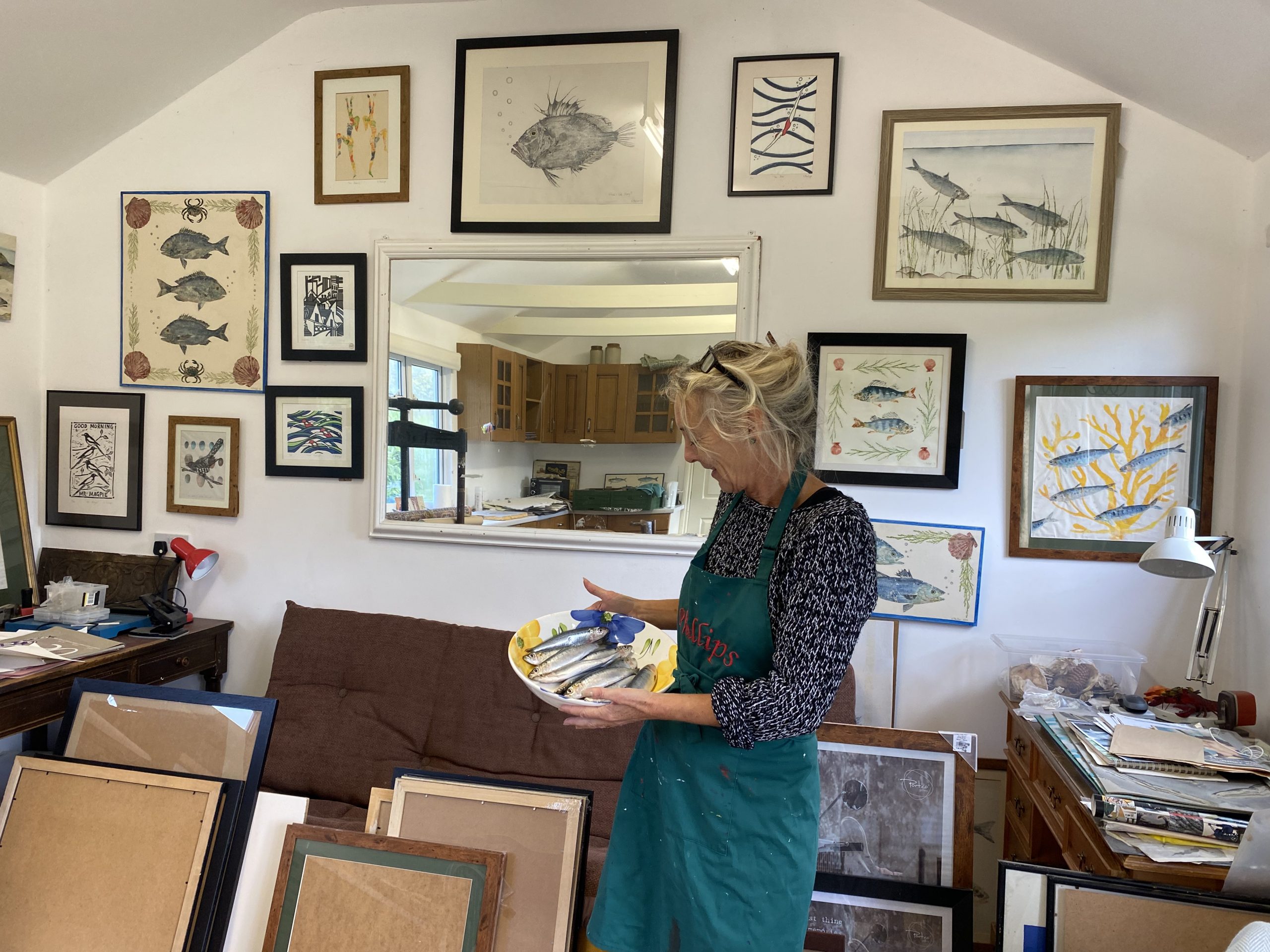
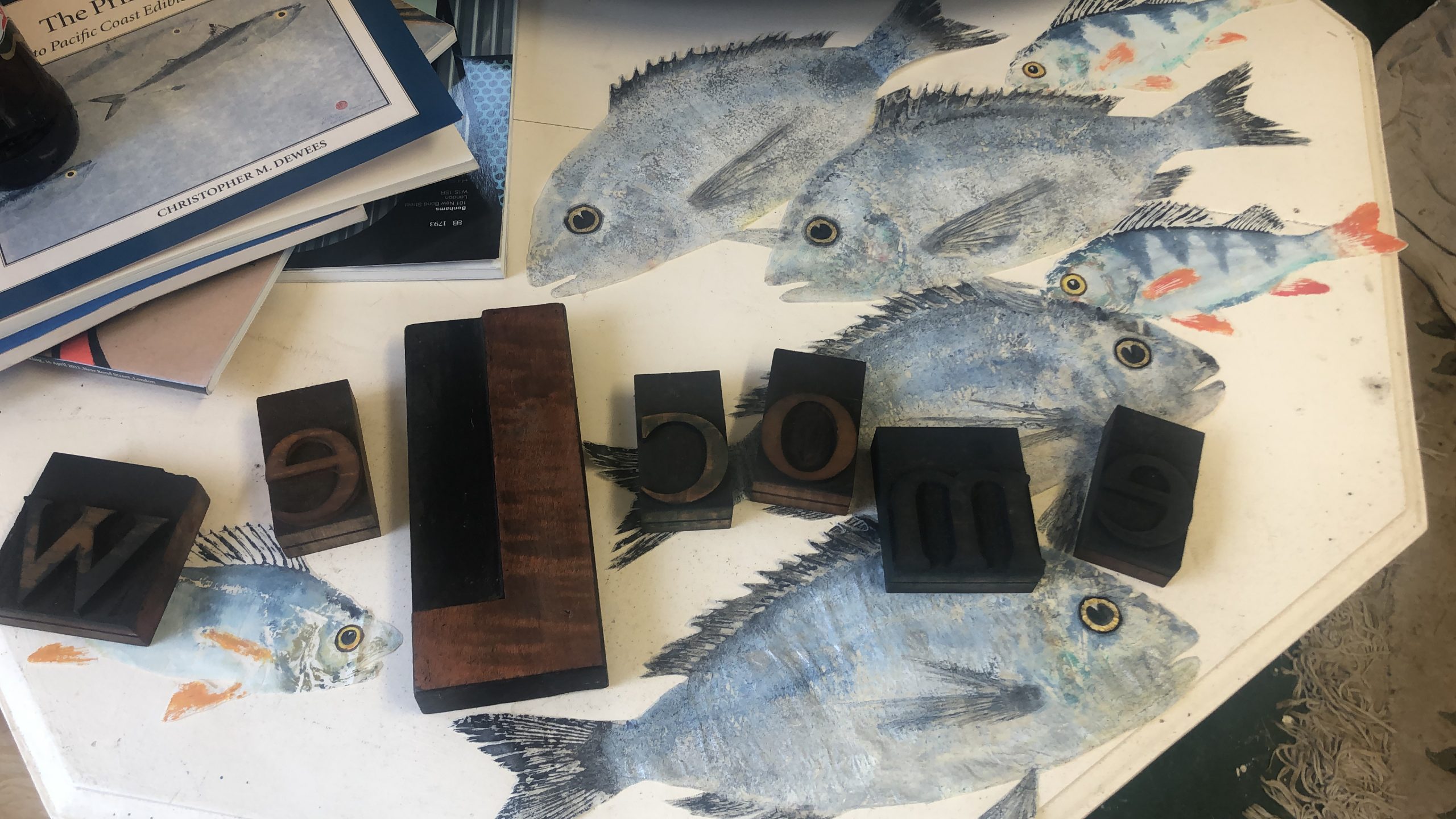
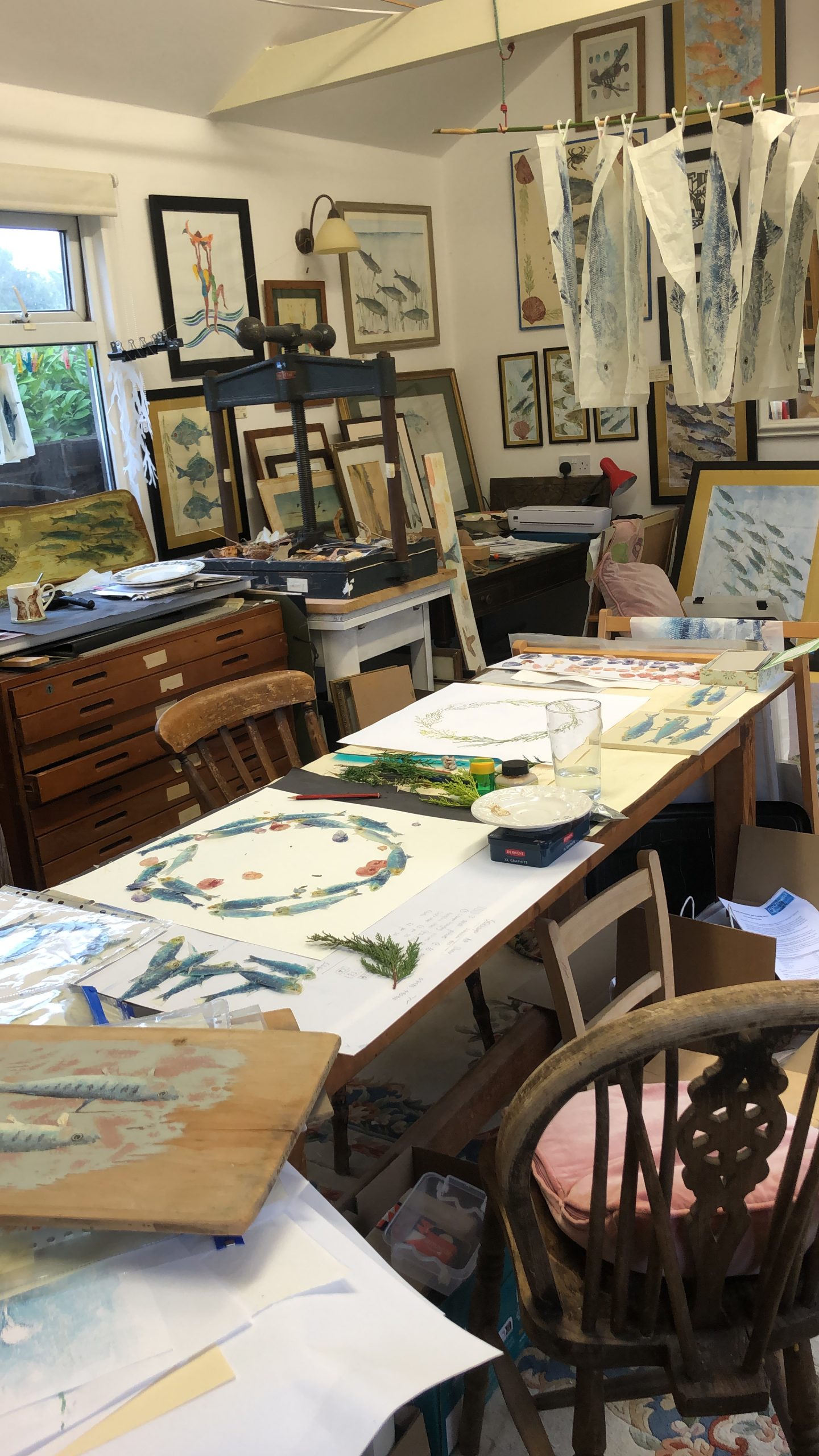
My name is Victoria Phillips and I create unique GYOTAKU artwork from my studio near Maldon in Essex.
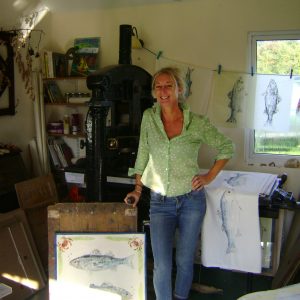
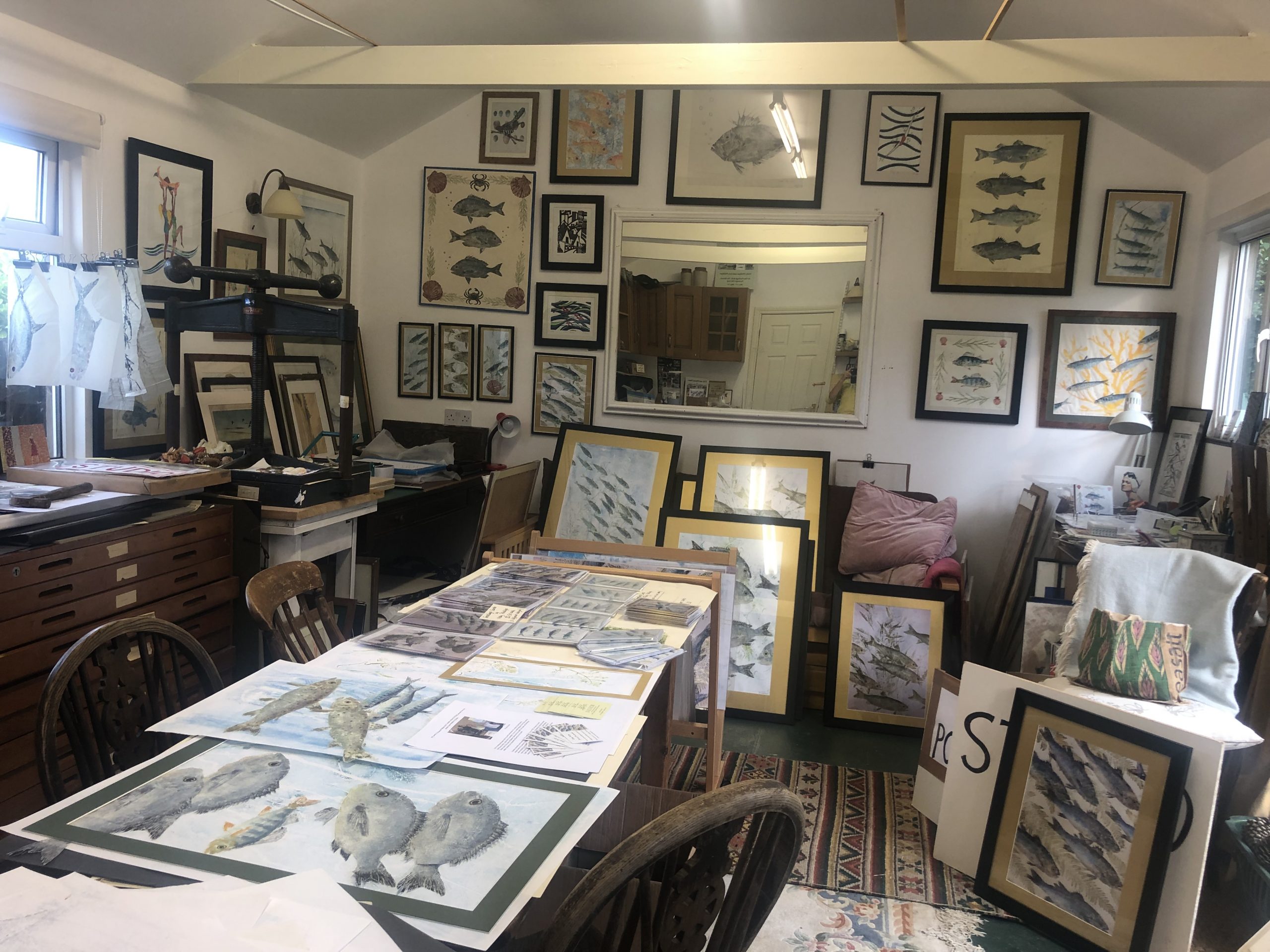
I am an artist/printmaker and my work comprises of a variety of printmaking techniques which I often like to combine. I live in a small village on the East Coast of Essex near to the town of Maldon (famous for its salt!). The coast, and all things watery, remains an important influence on my work.
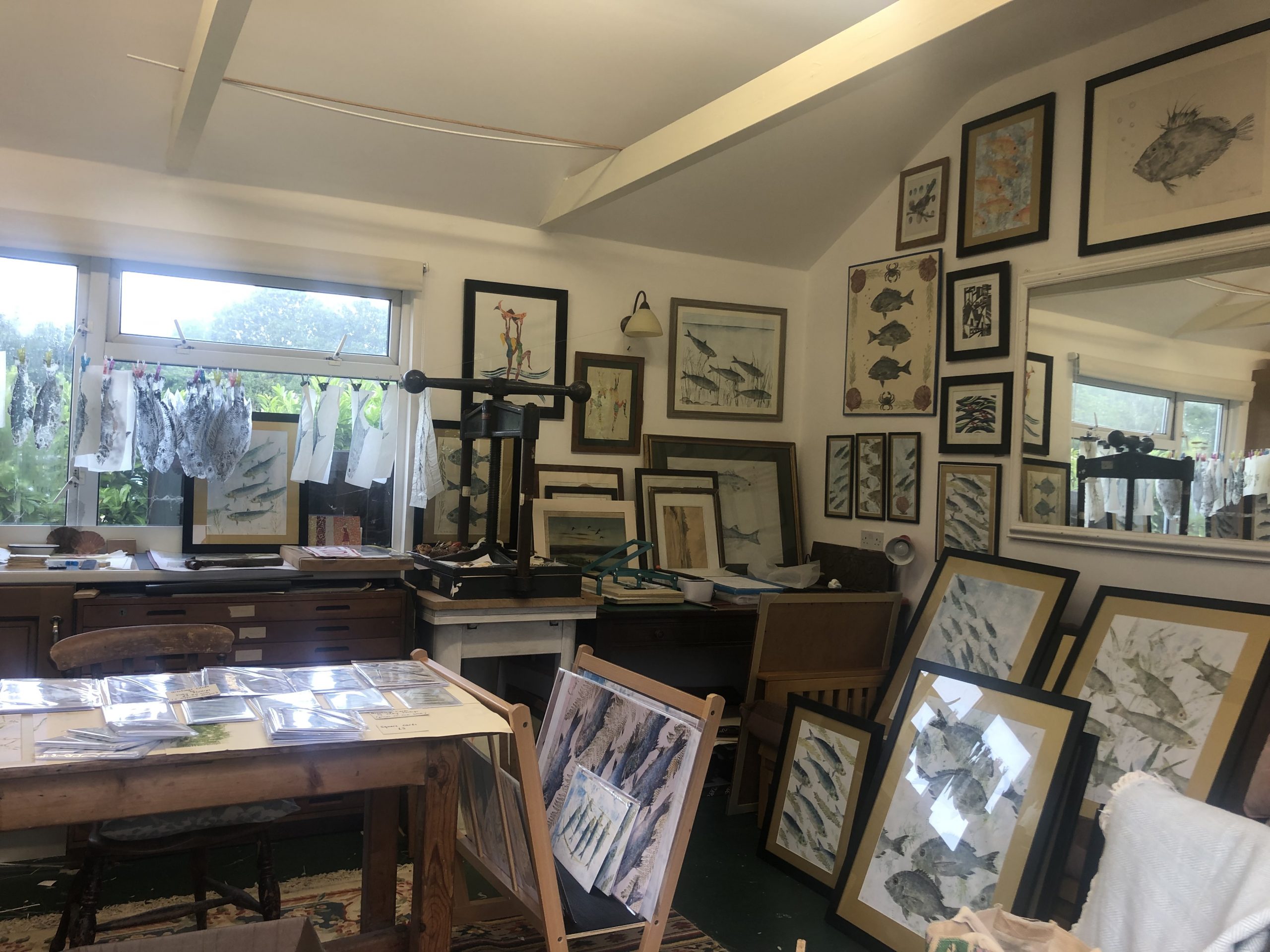
I studied education and received a B.Ed with Honours in 1992. Art was my main subject within this period of study, with an emphasis on printmaking. During the years when bringing up a family and pursuing a career in teaching took over, printmaking had to be put on hold. However, a much long awaited return to studying with the Open College of the Arts, along with the acquisition of a beautiful Albion Press have meant I have been able to once again pursue my love of printmaking.
A few years ago I read an article about Gyotaku, the ancient art of Japanese fish printing where the "plate" is literally eaten after the print is taken. I found the whole concept fascinating and have since developed and refined the process within my work, often combining Gyotaku with other types of printmaking.
Details of venues/events/exhibitions showcasing my work will be posted here.
If you would like me to create bespoke pieces of artwork for you please use the contact form or email me at the address below.
My contact details are:
I studied education and received a B.Ed with Honours in 1992. Art was my main subject within this period of study, with an emphasis on printmaking. During the years when bringing up a family and pursuing a career in teaching took over, printmaking had to be put on hold. However, a much long awaited return to studying with the Open College of the Arts, along with the acquisition of a beautiful Albion Press have meant I have been able to once again pursue my love of printmaking.
A few years ago I read an article about Gyotaku, the ancient art of Japanese fish printing where the "plate" is literally eaten after the print is taken. I found the whole concept fascinating and have since developed and refined the process within my work, often combining Gyotaku with other types of printmaking.
Details of venues/events/exhibitions showcasing my work will be posted here.
If you would like me to create bespoke pieces of artwork for you please use the contact form or email me at the address below.
My contact details are:
Email: vicky@victoriaphillipsartwork.co.uk
Tel: 01621 891557
Mobile: 07986490910
Tel: 01621 891557
Mobile: 07986490910
Gallery
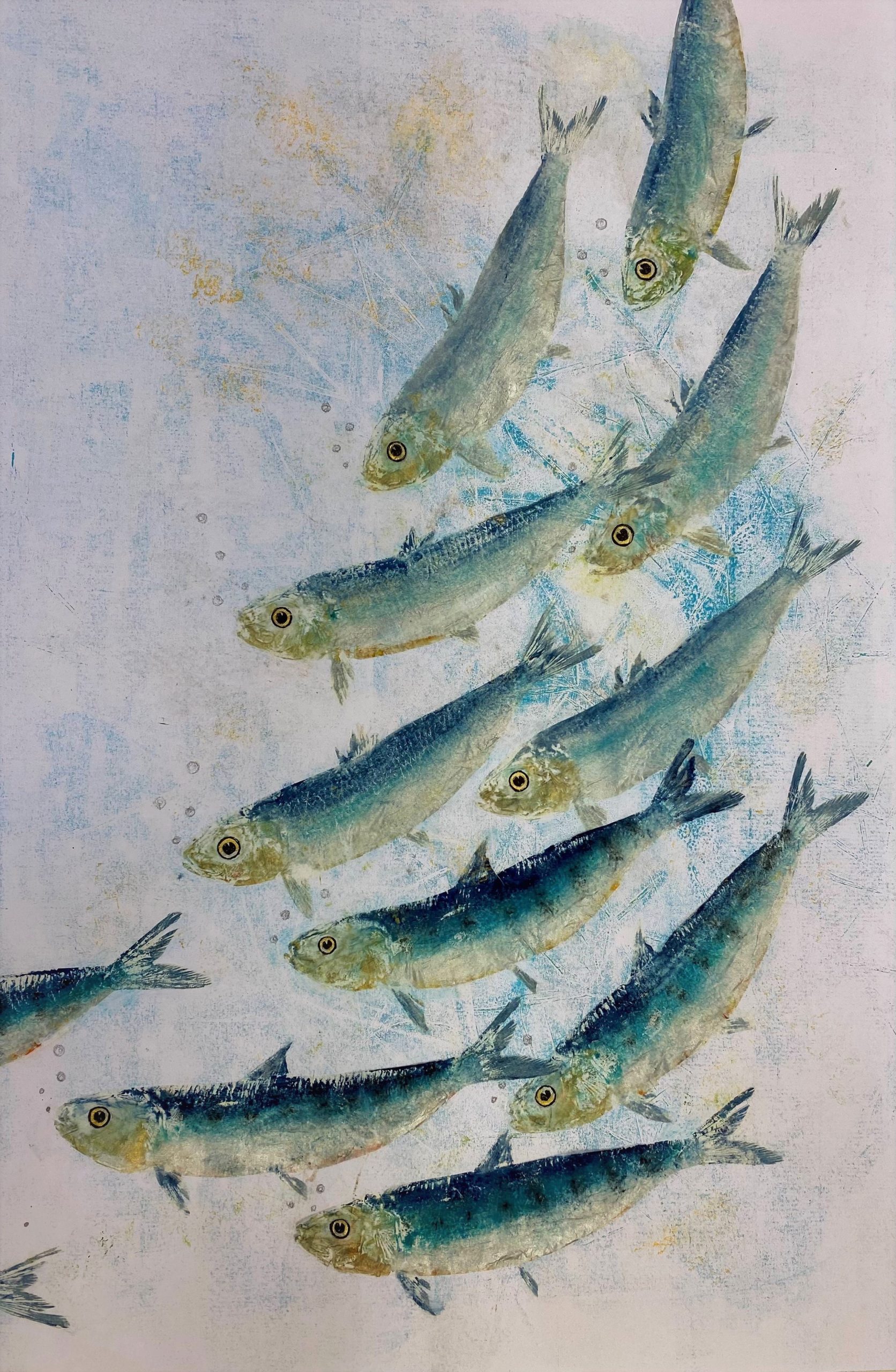
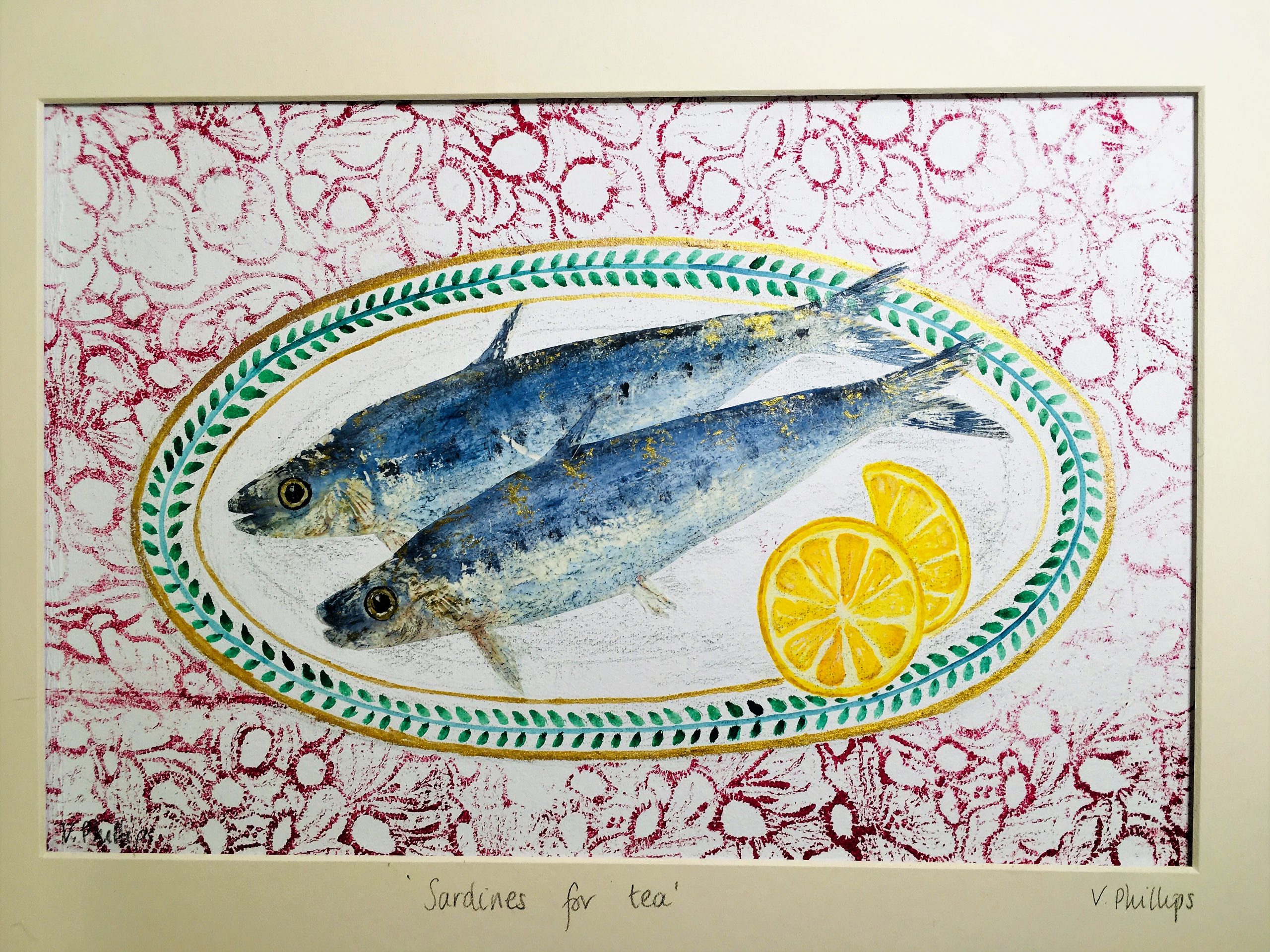
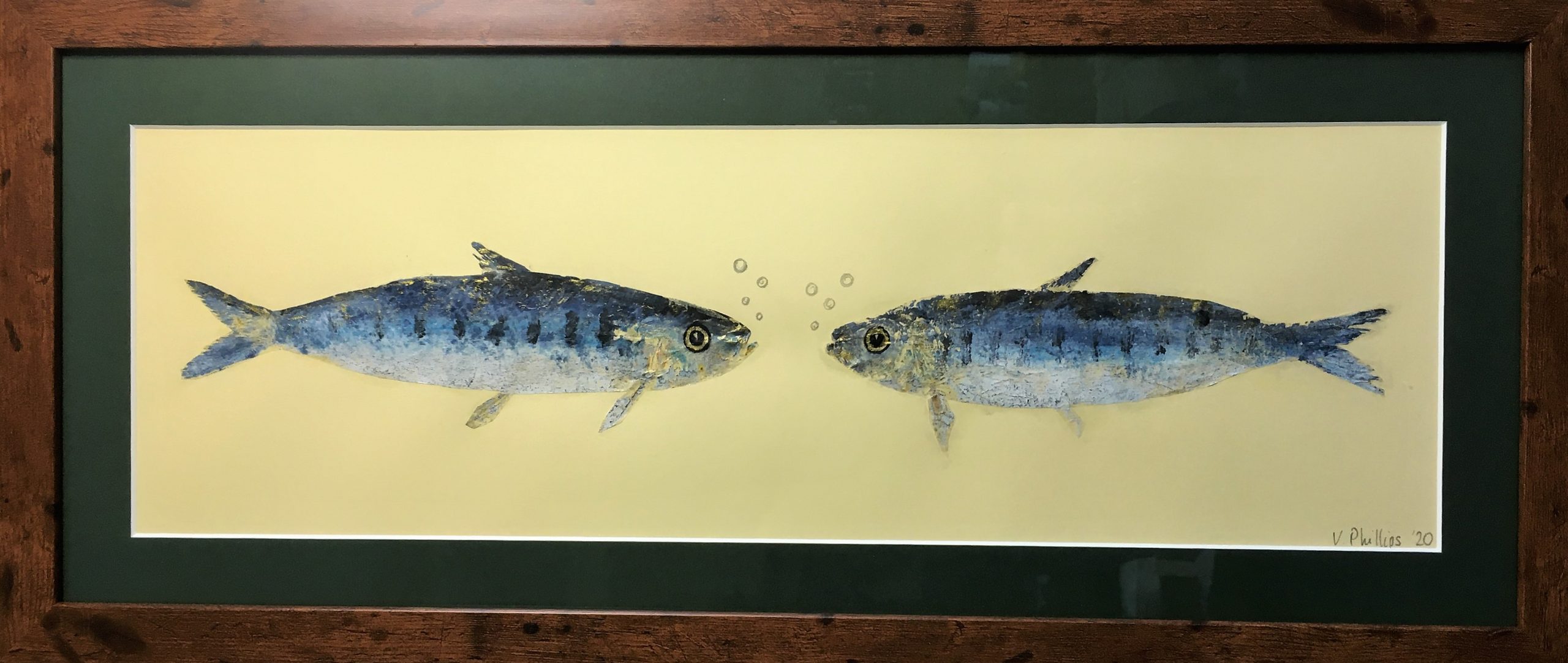
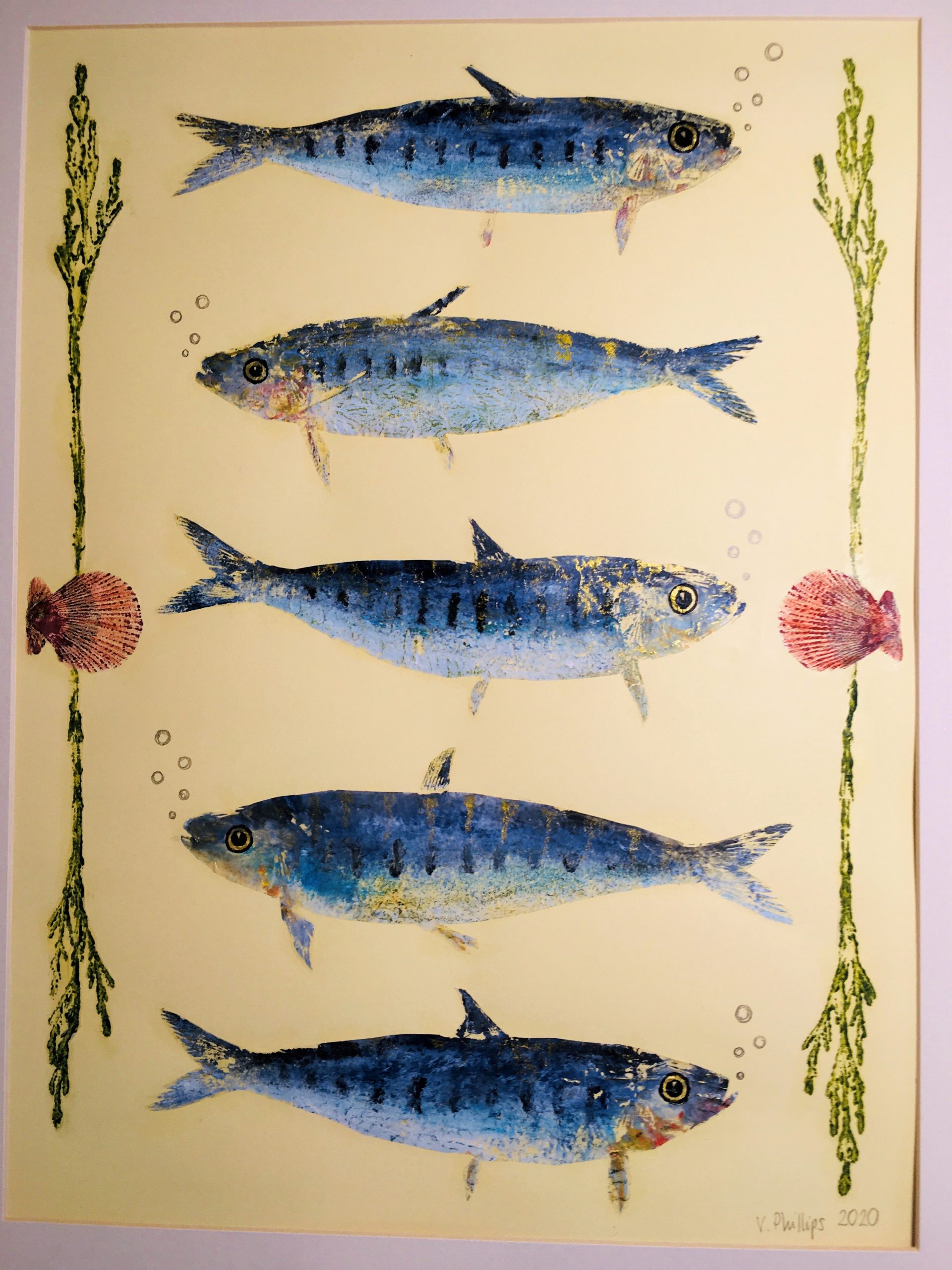
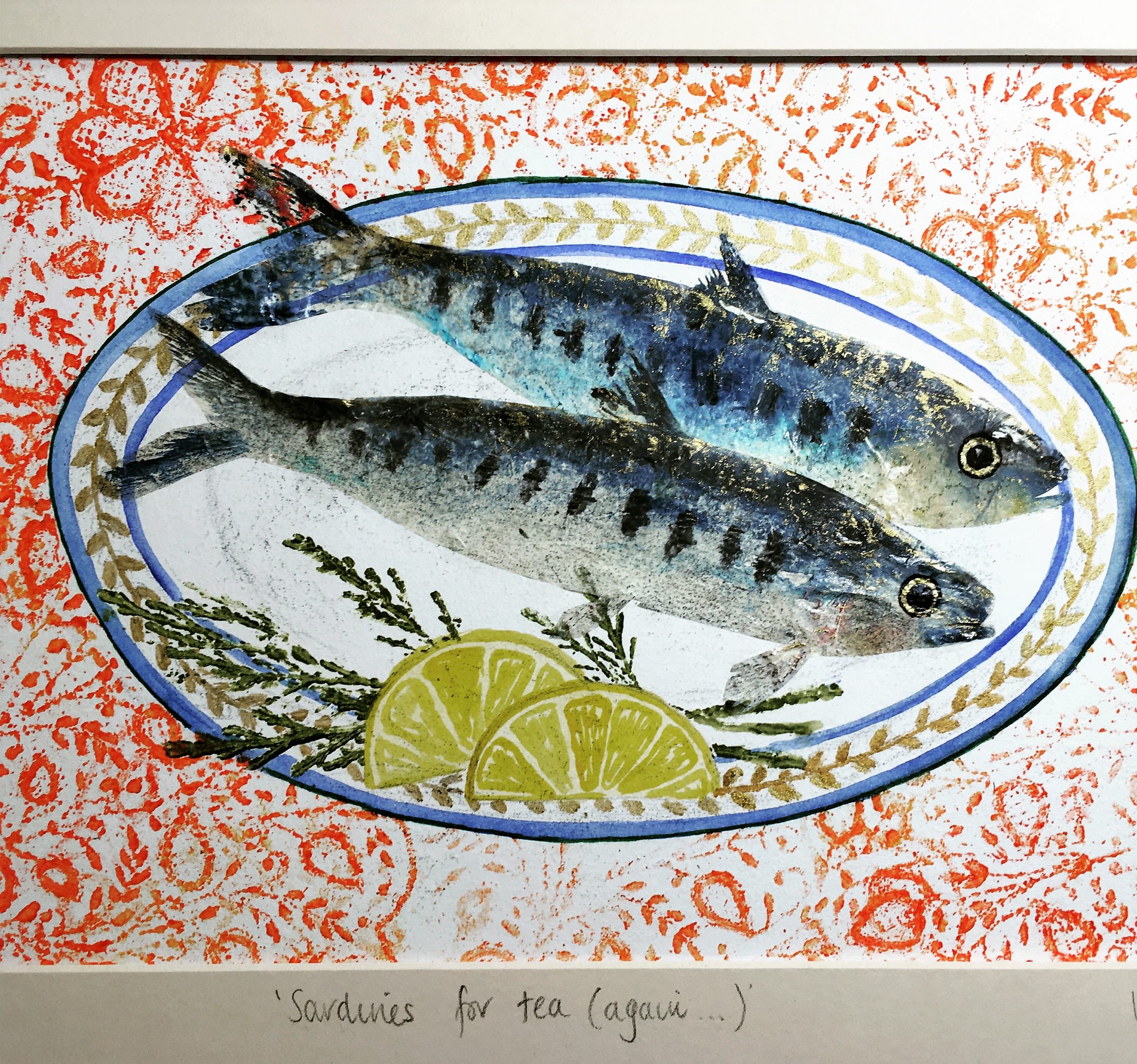
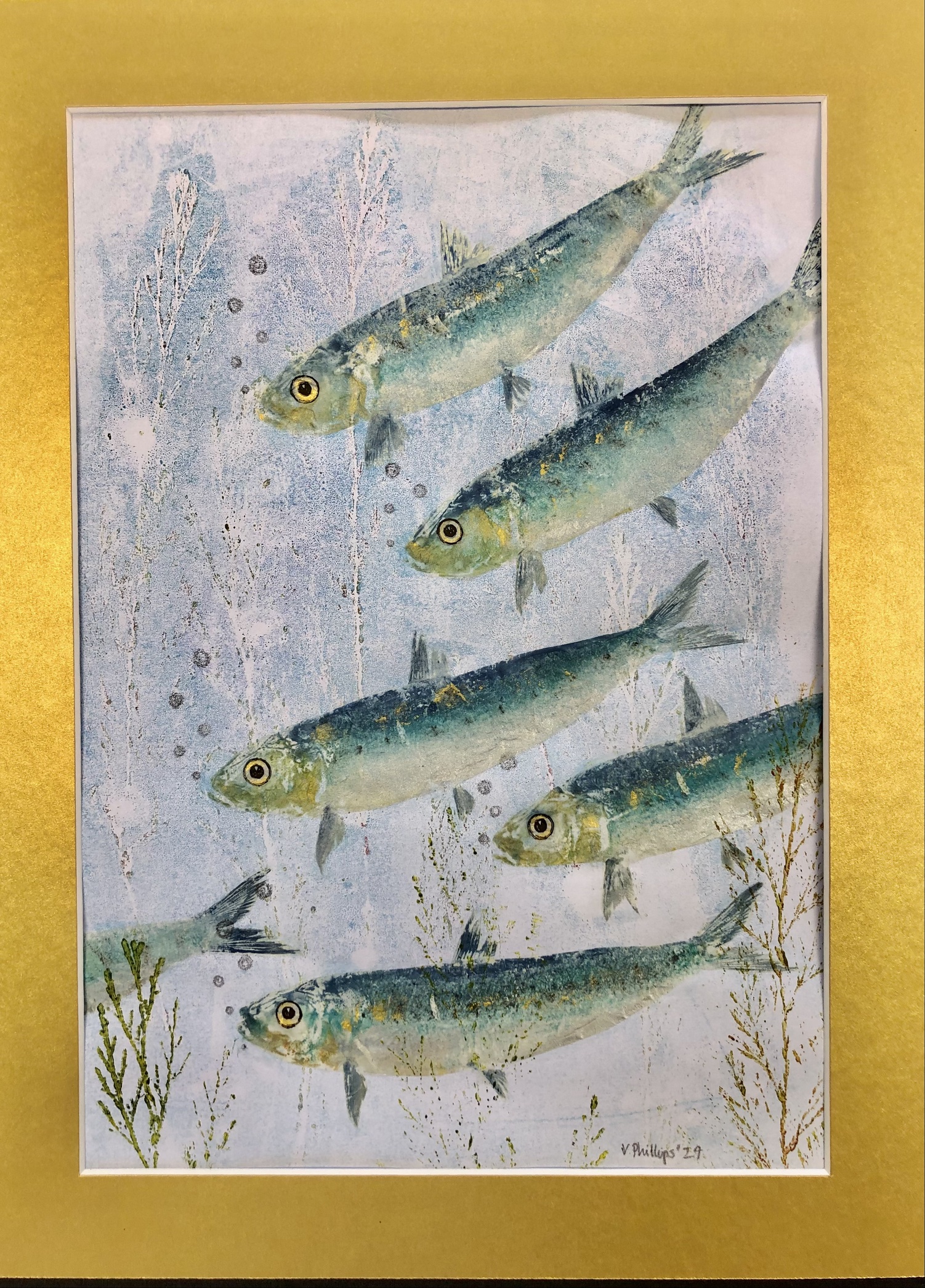
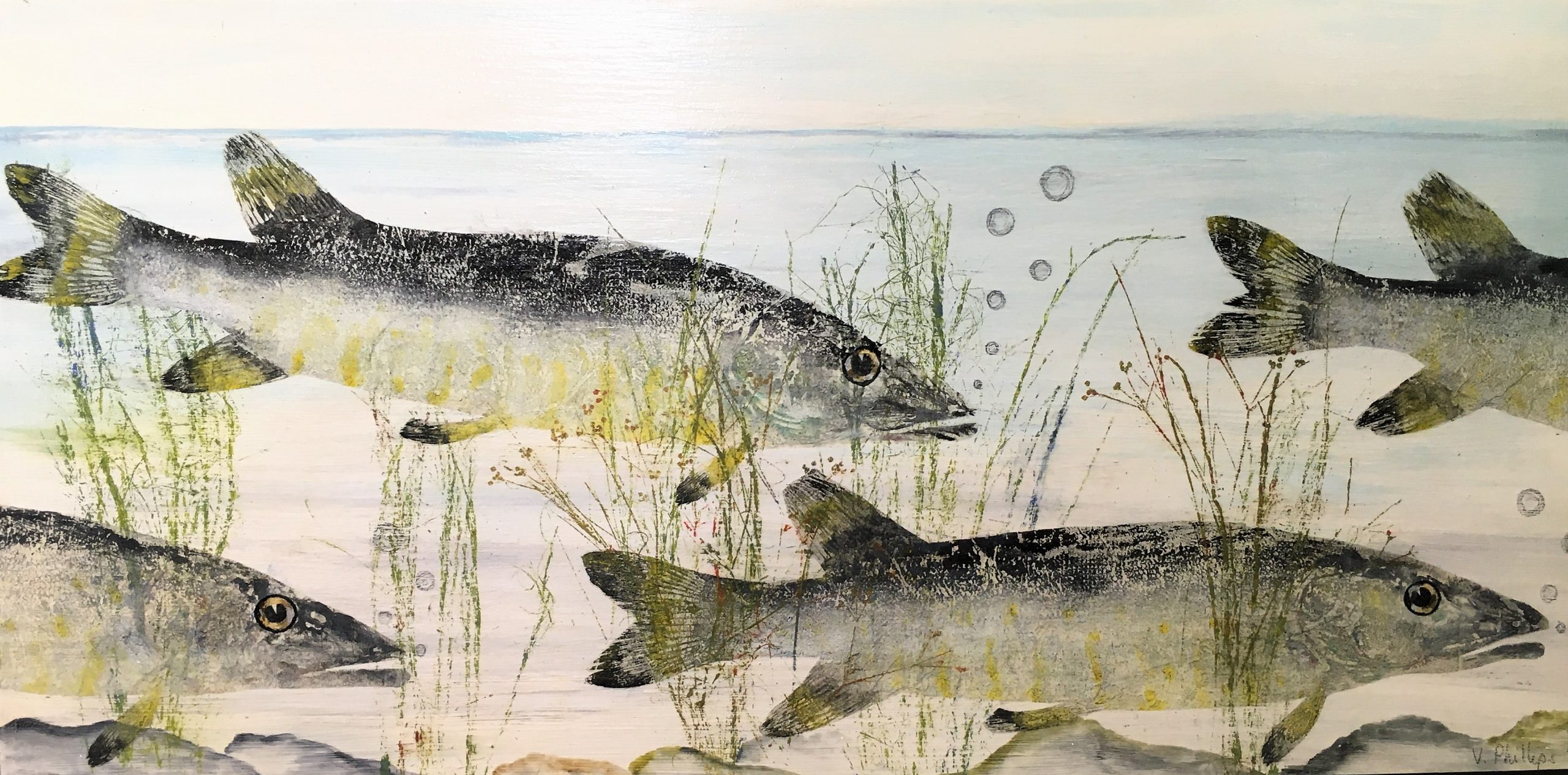
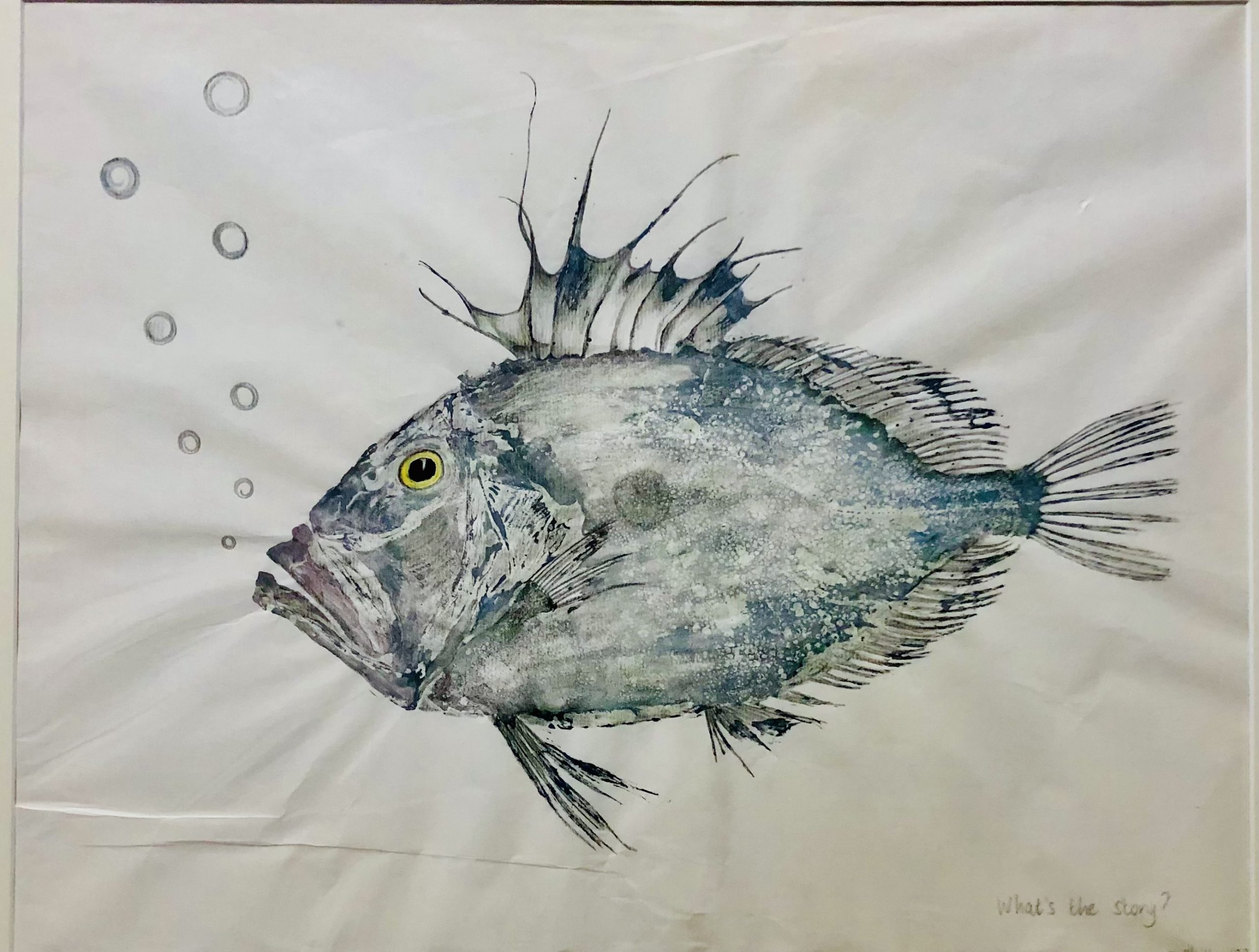
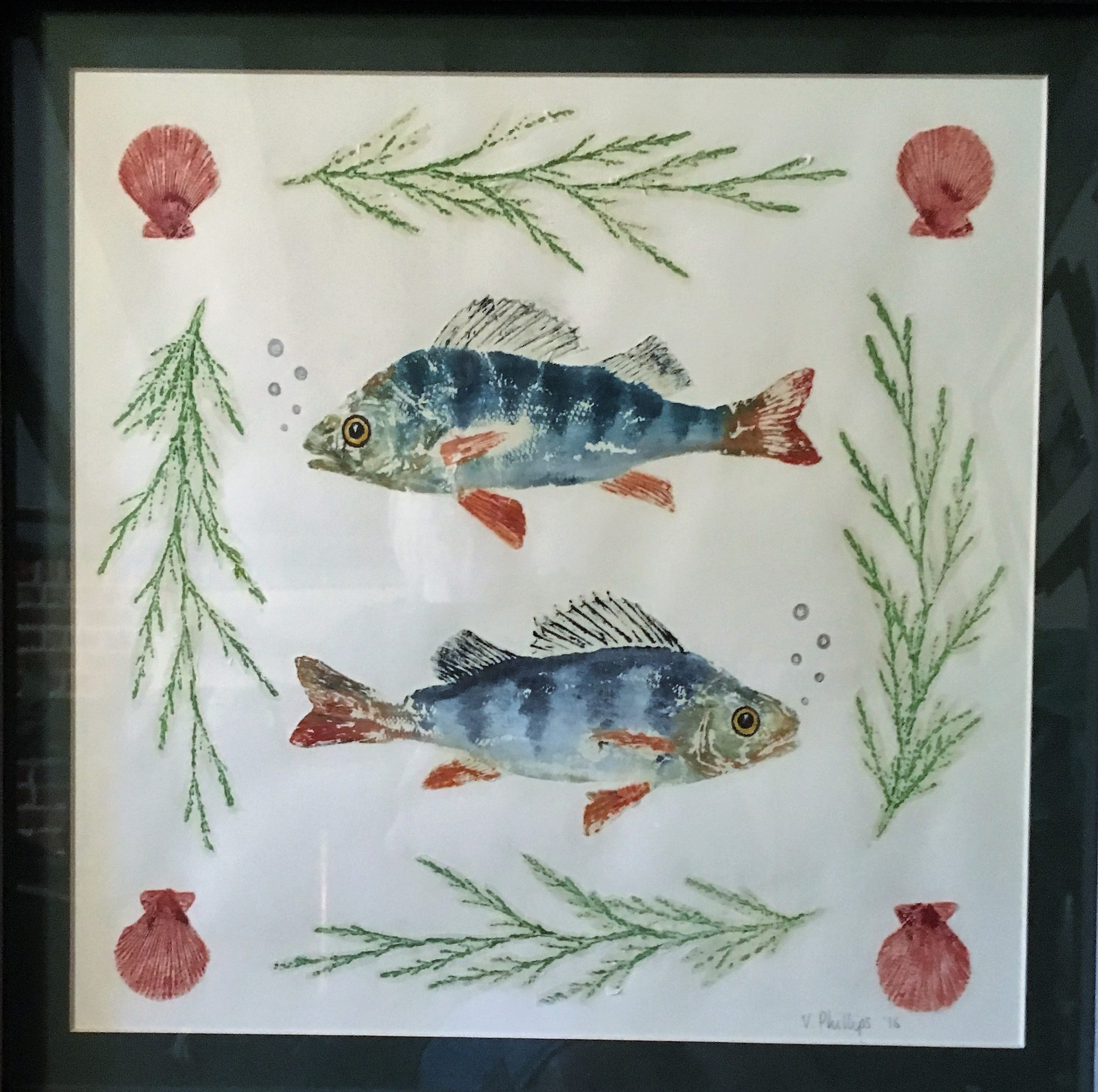
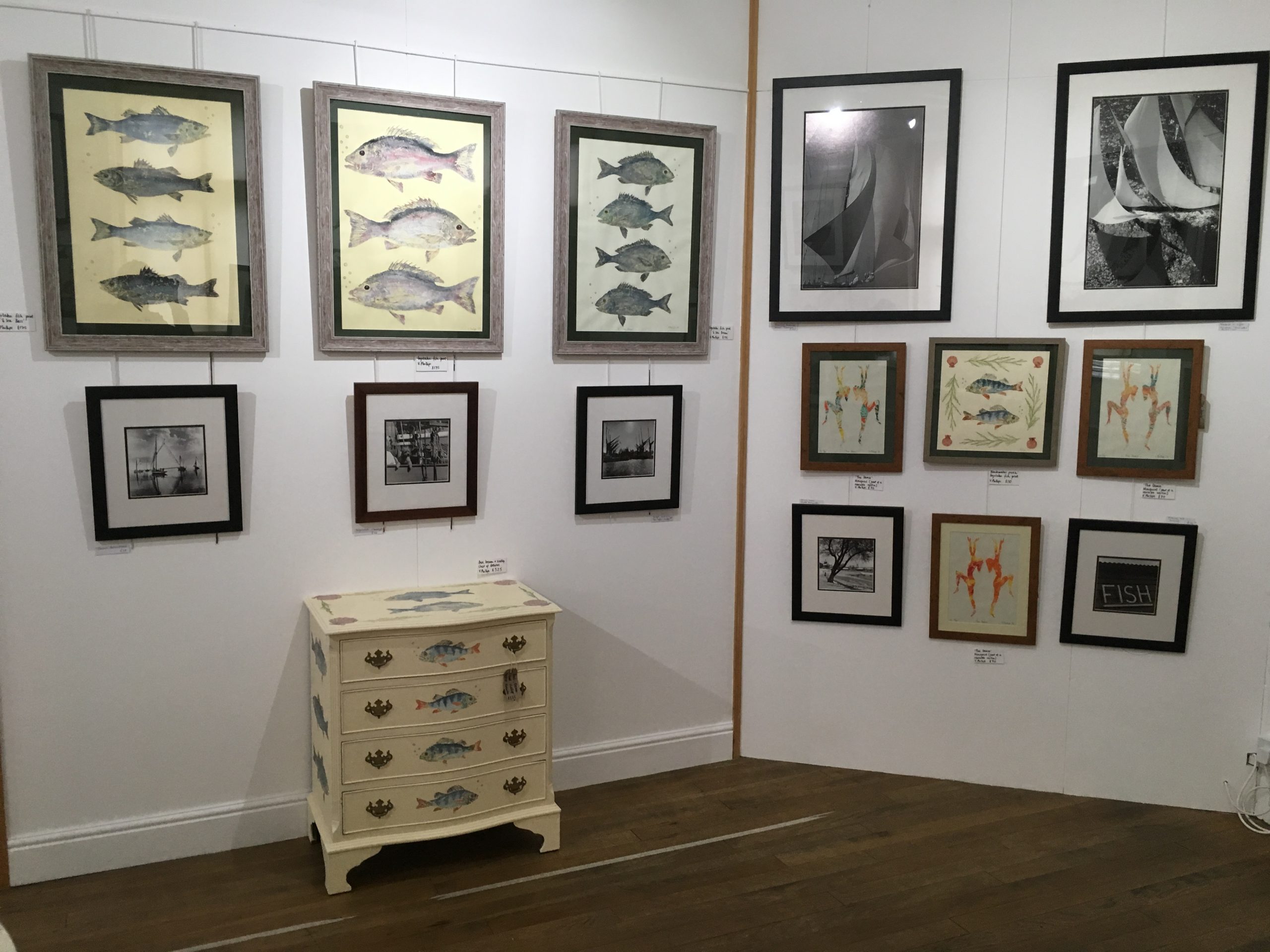
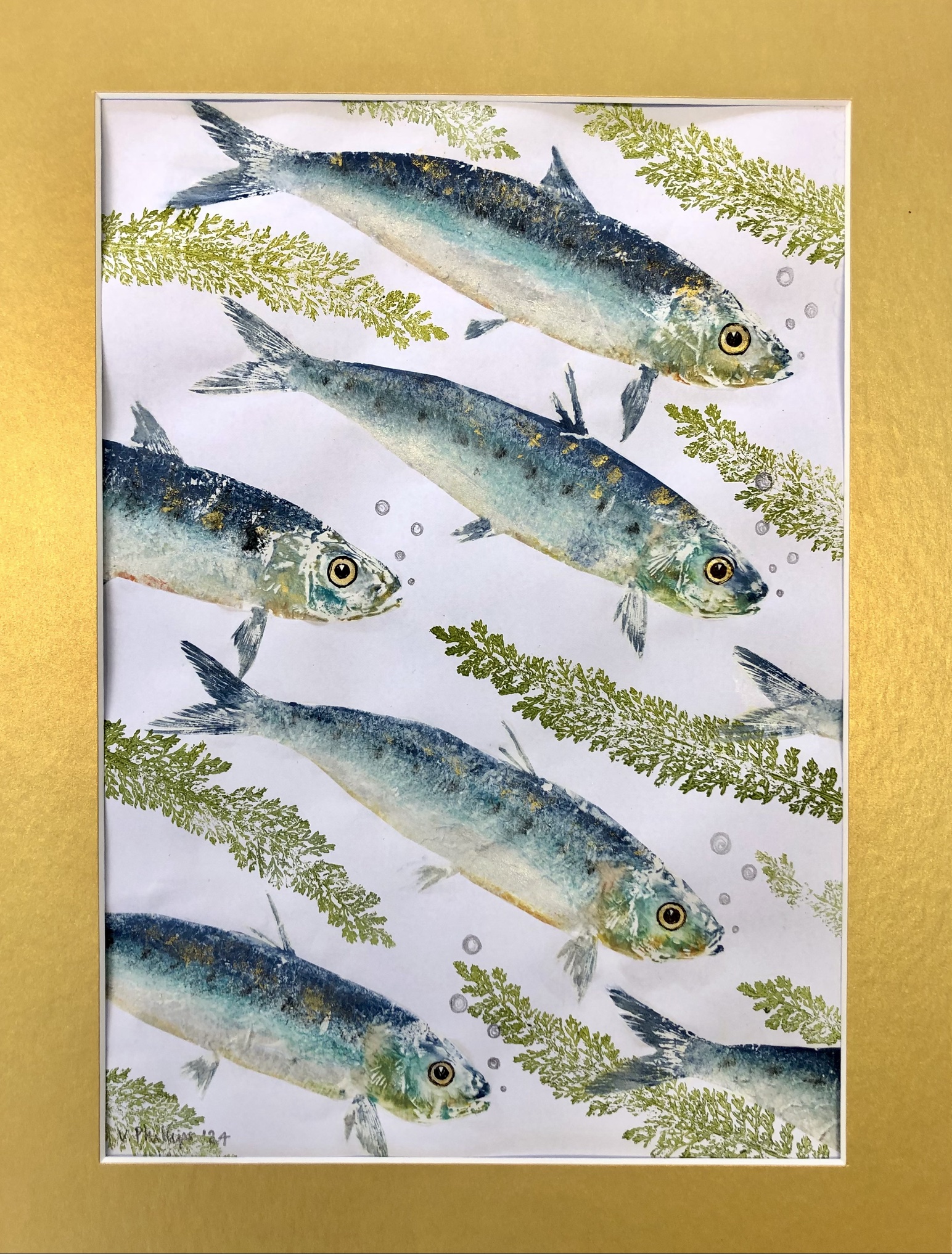
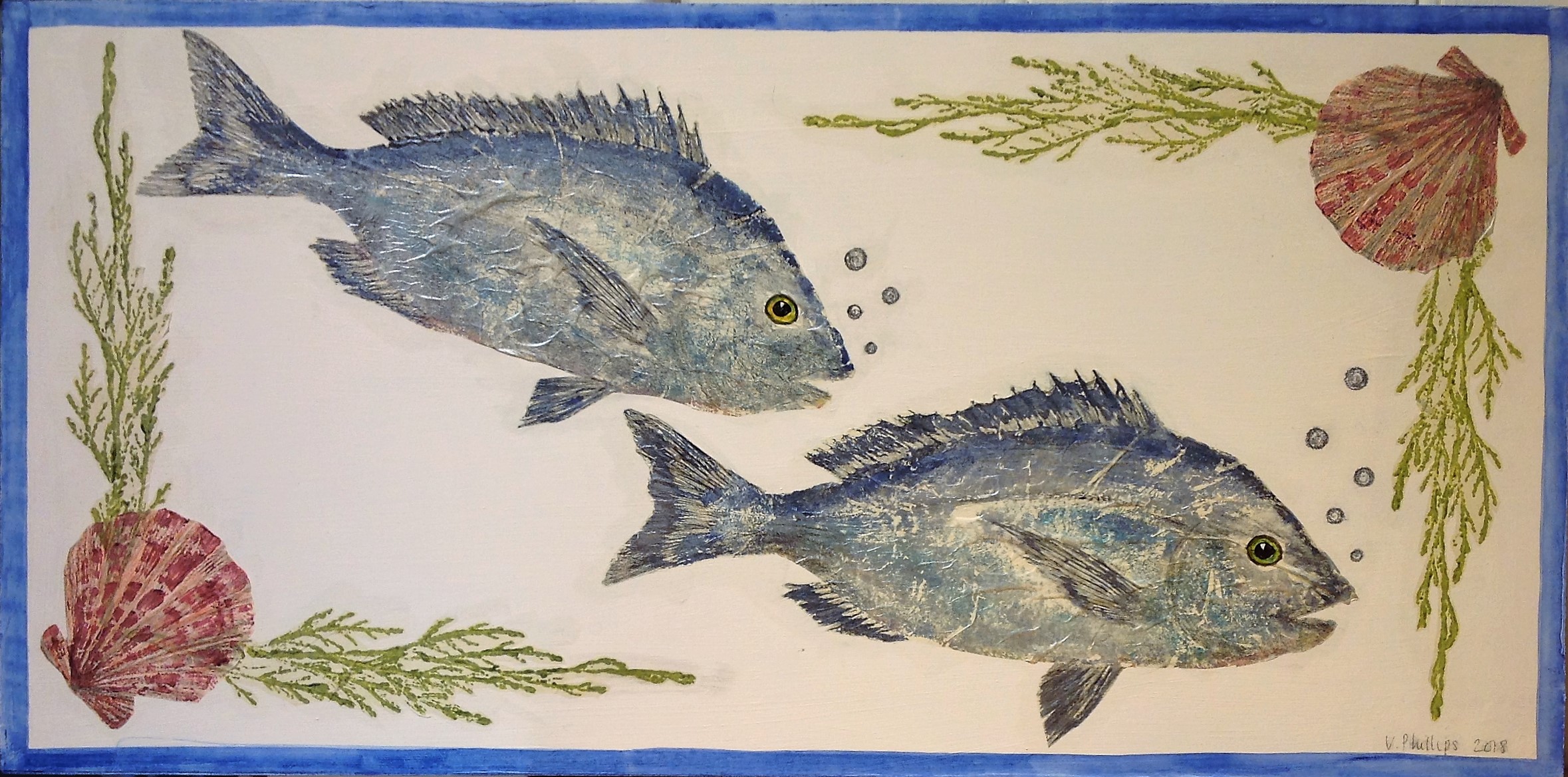
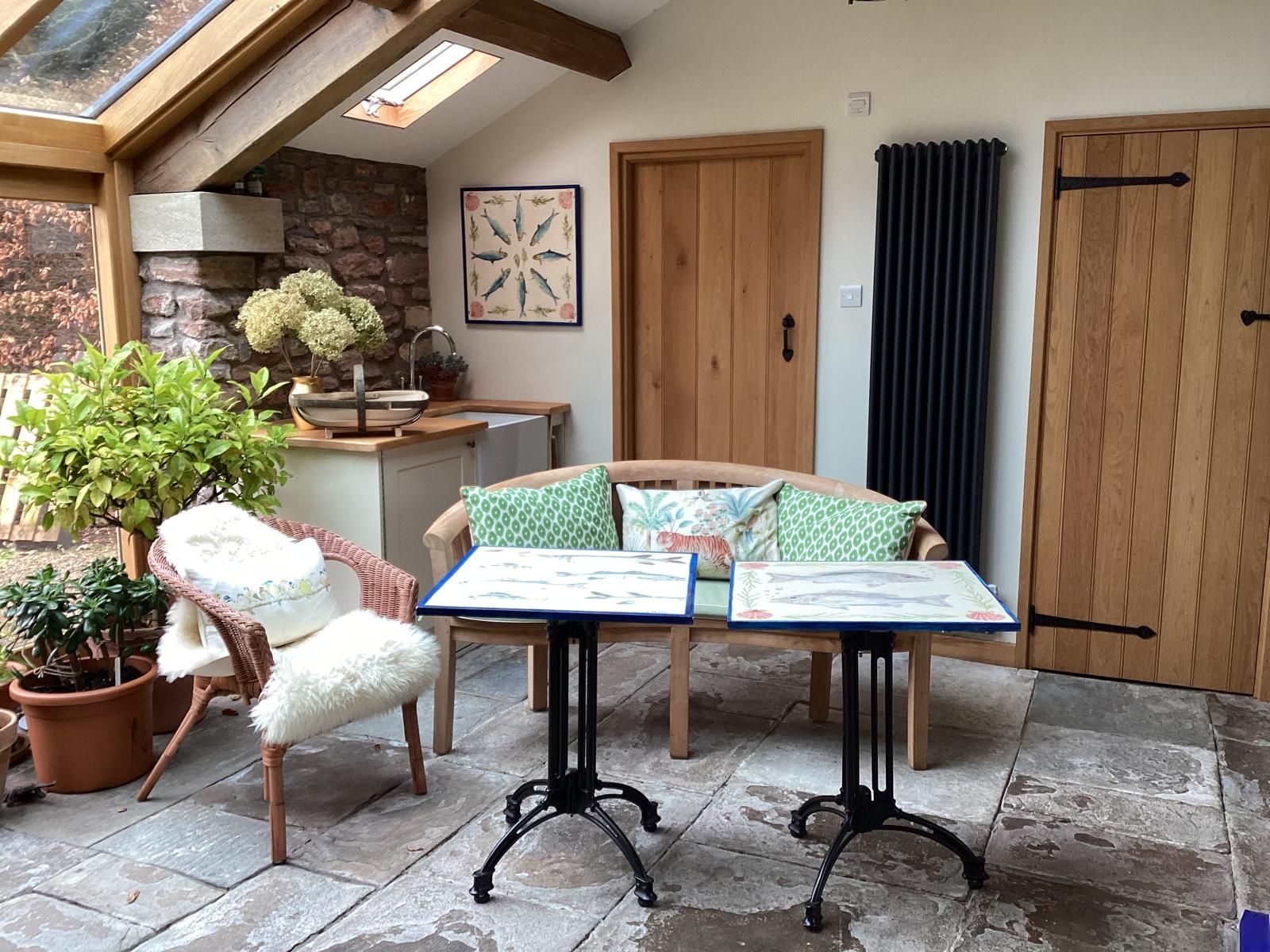
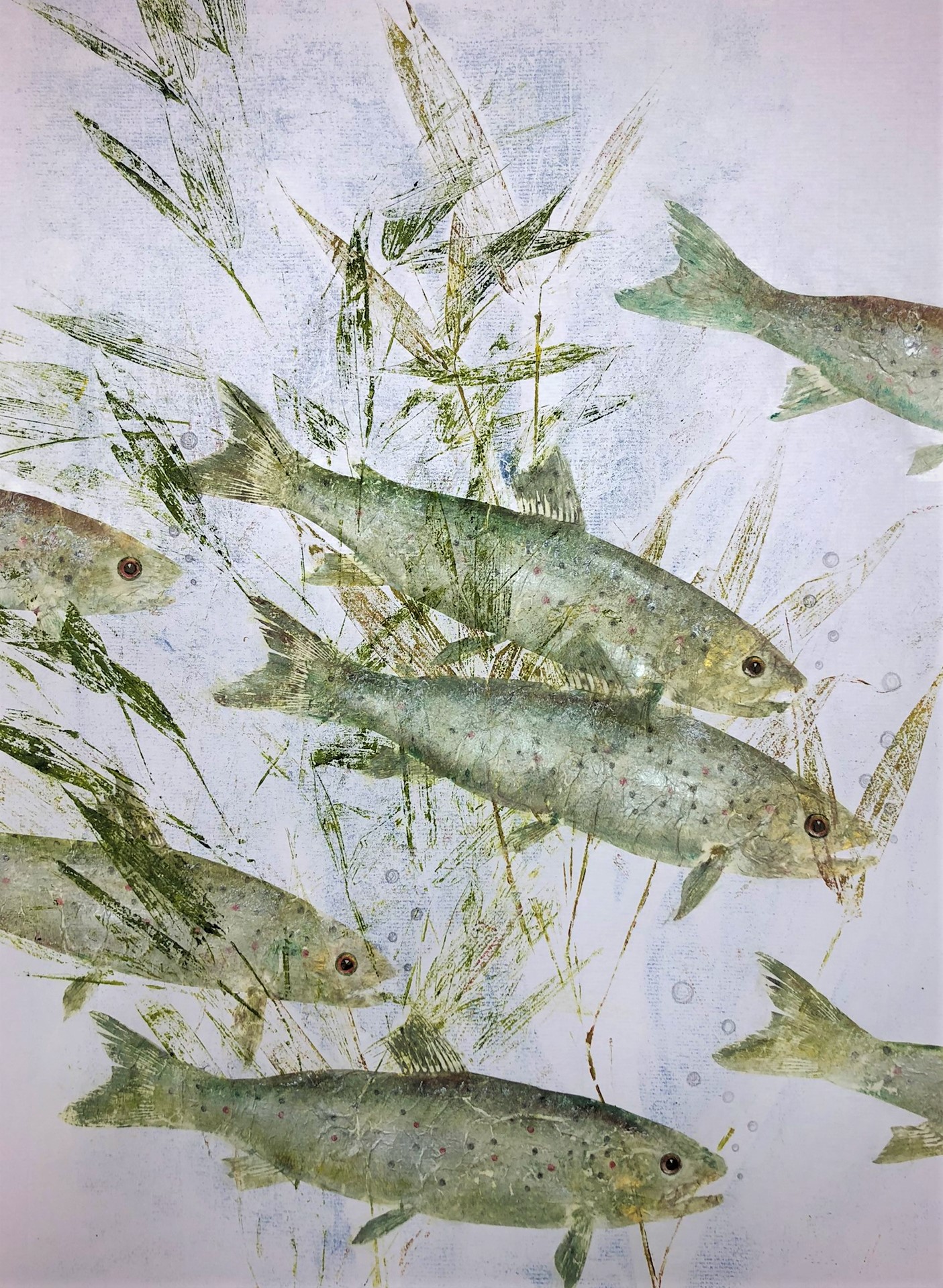
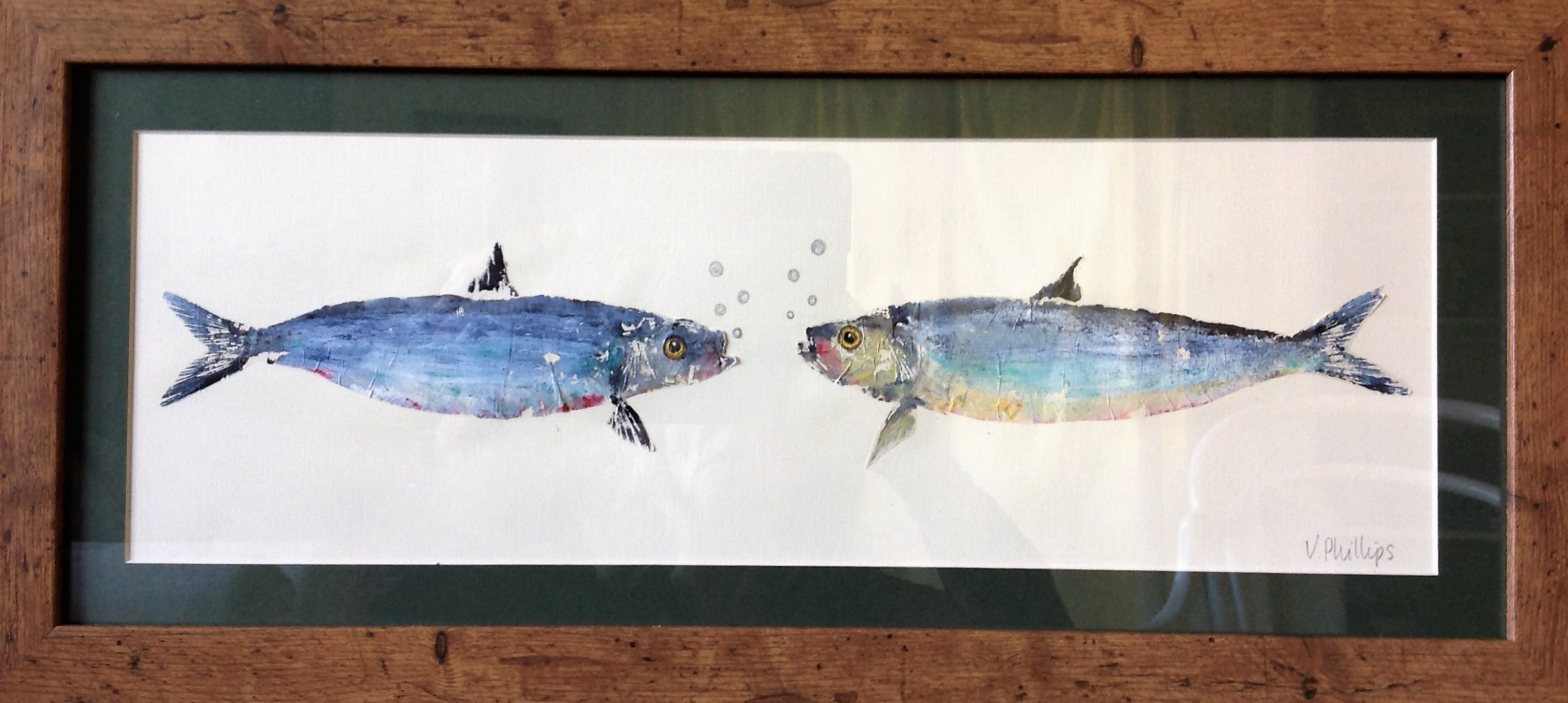
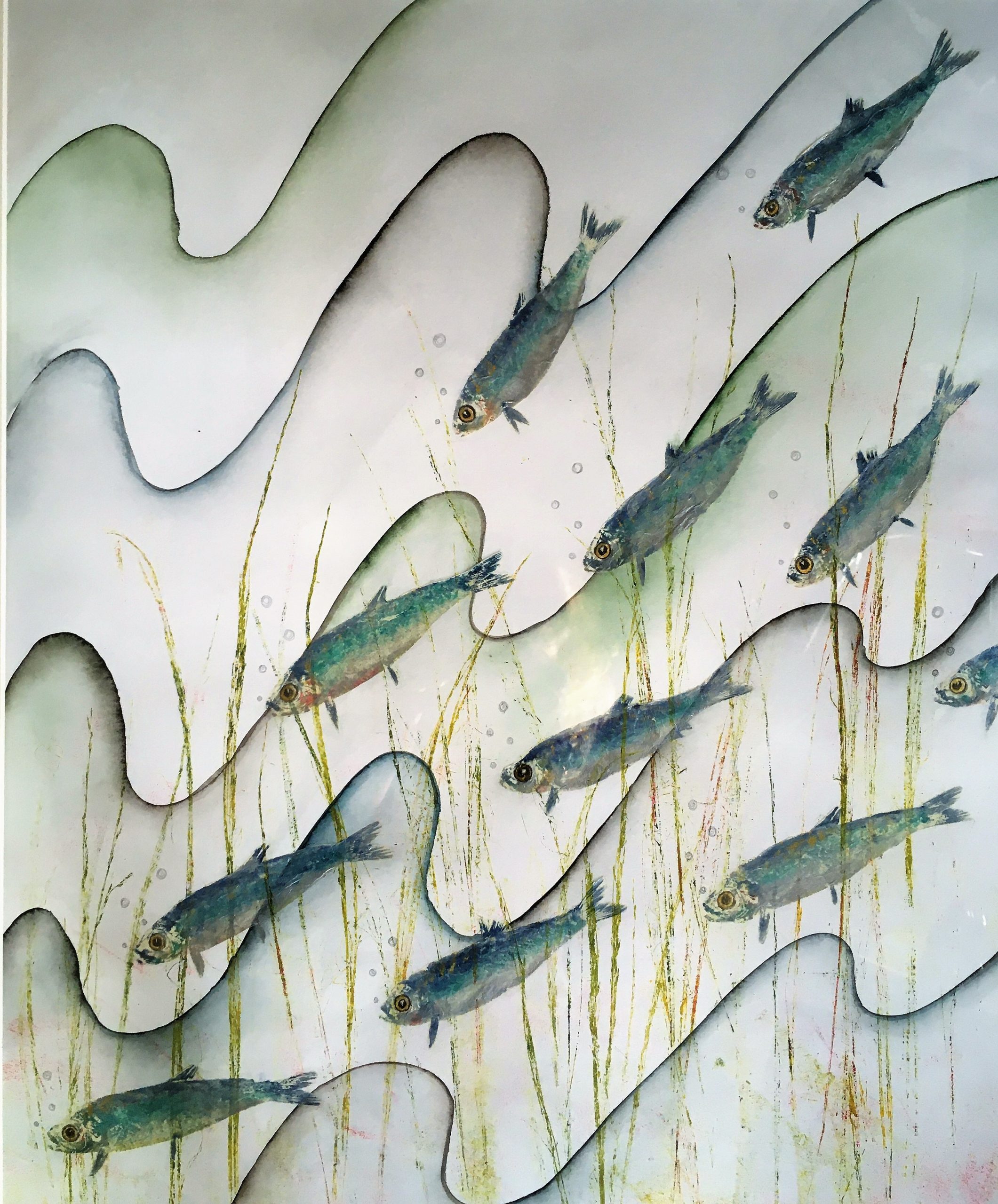
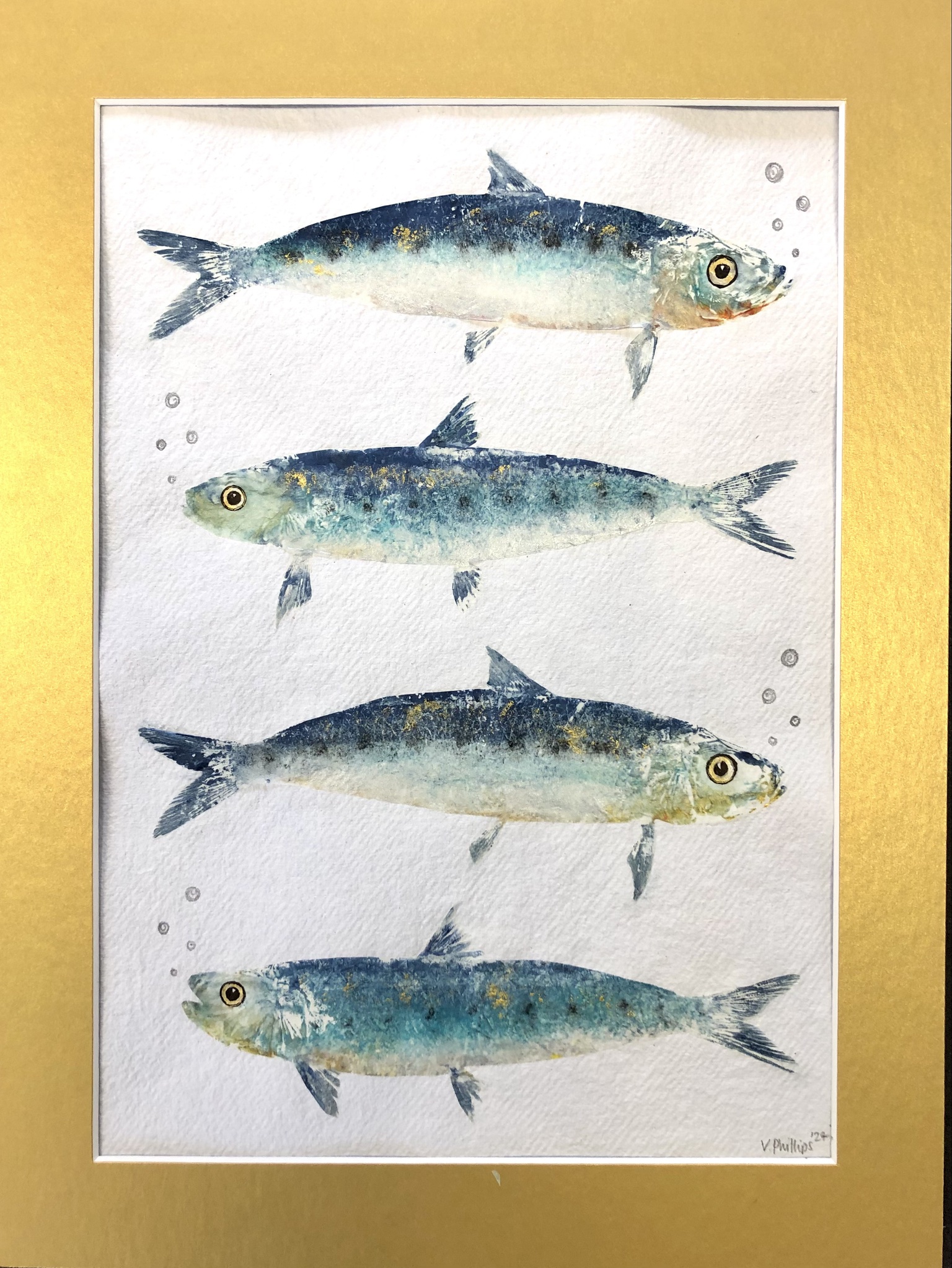
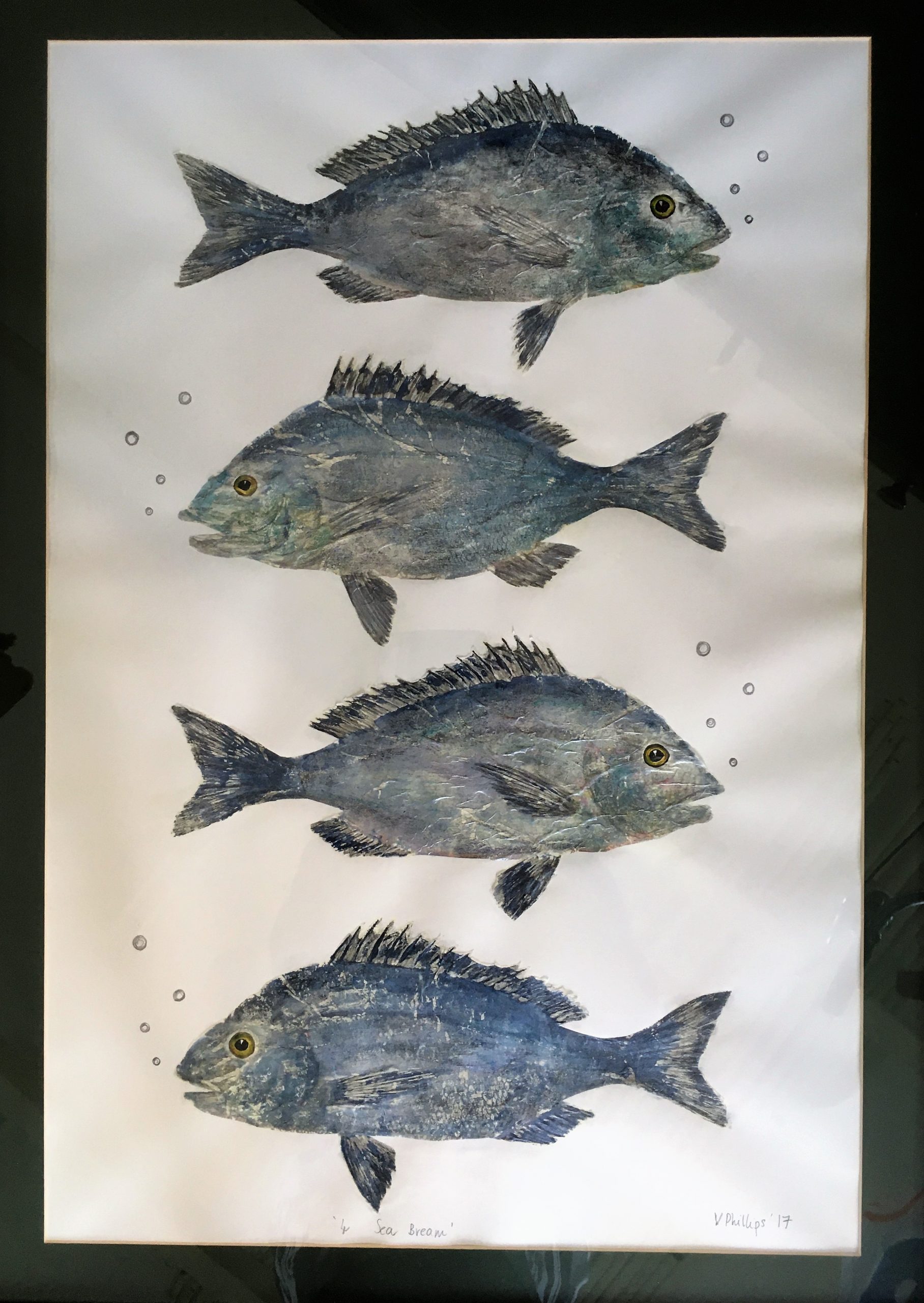
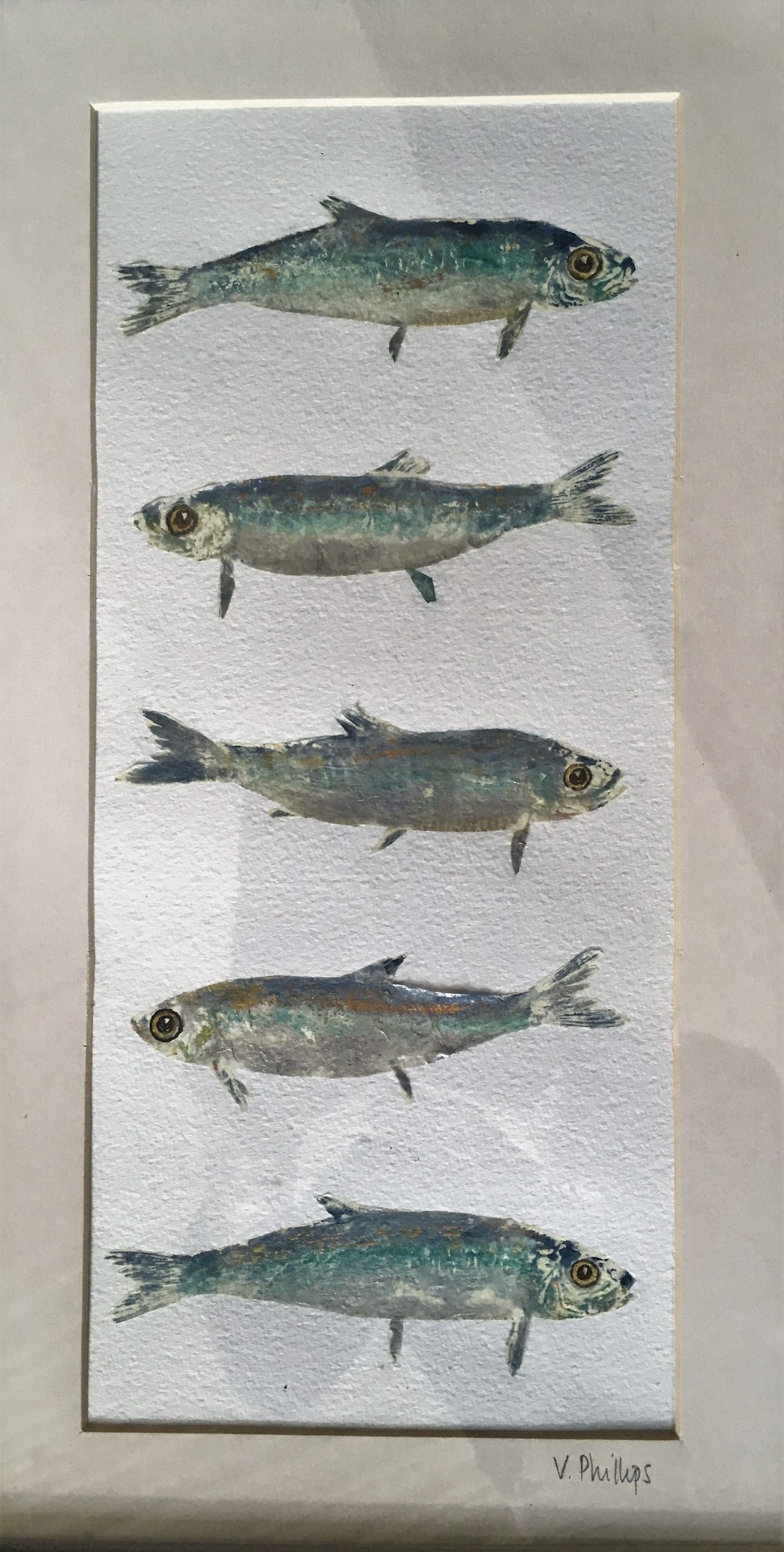
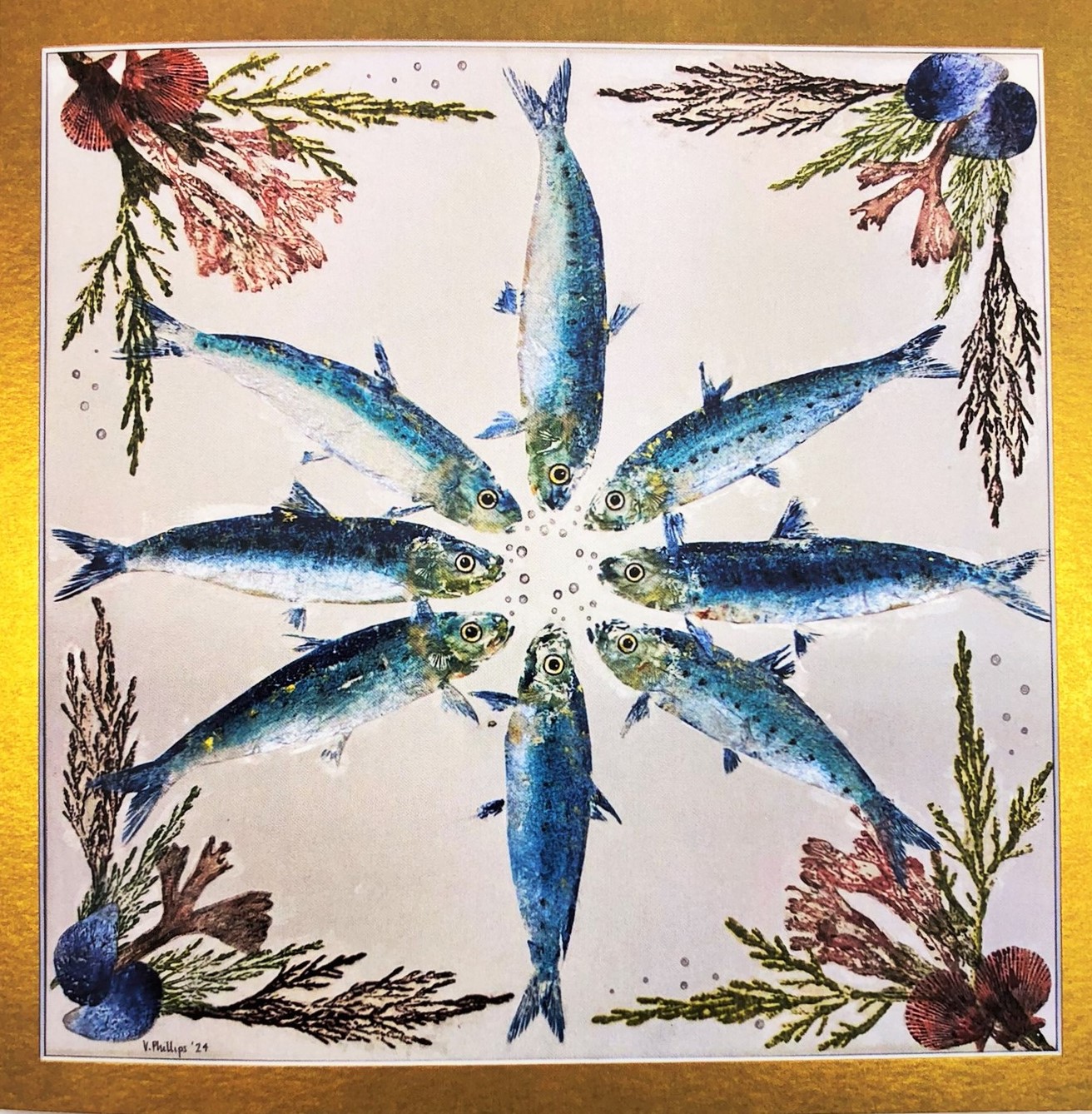
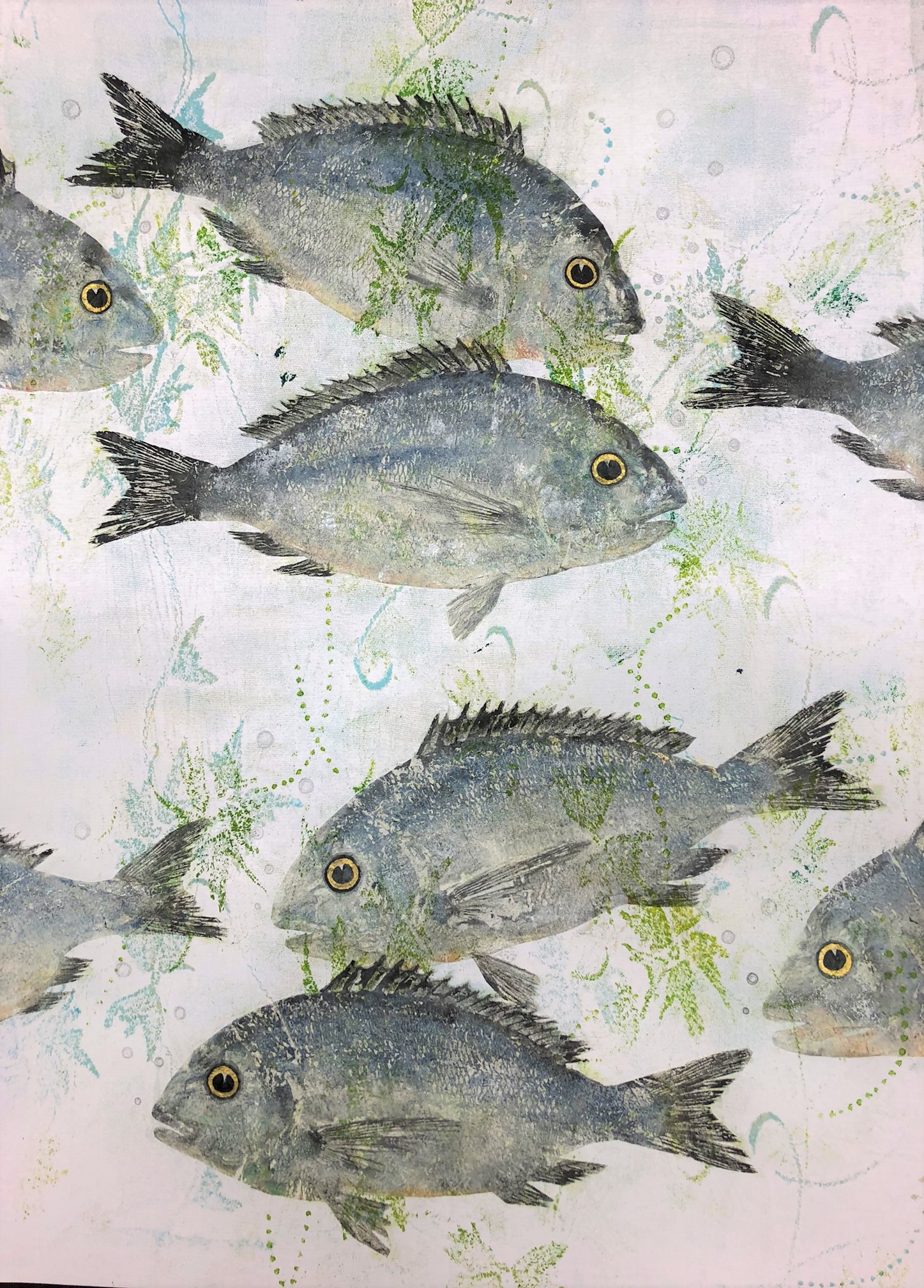
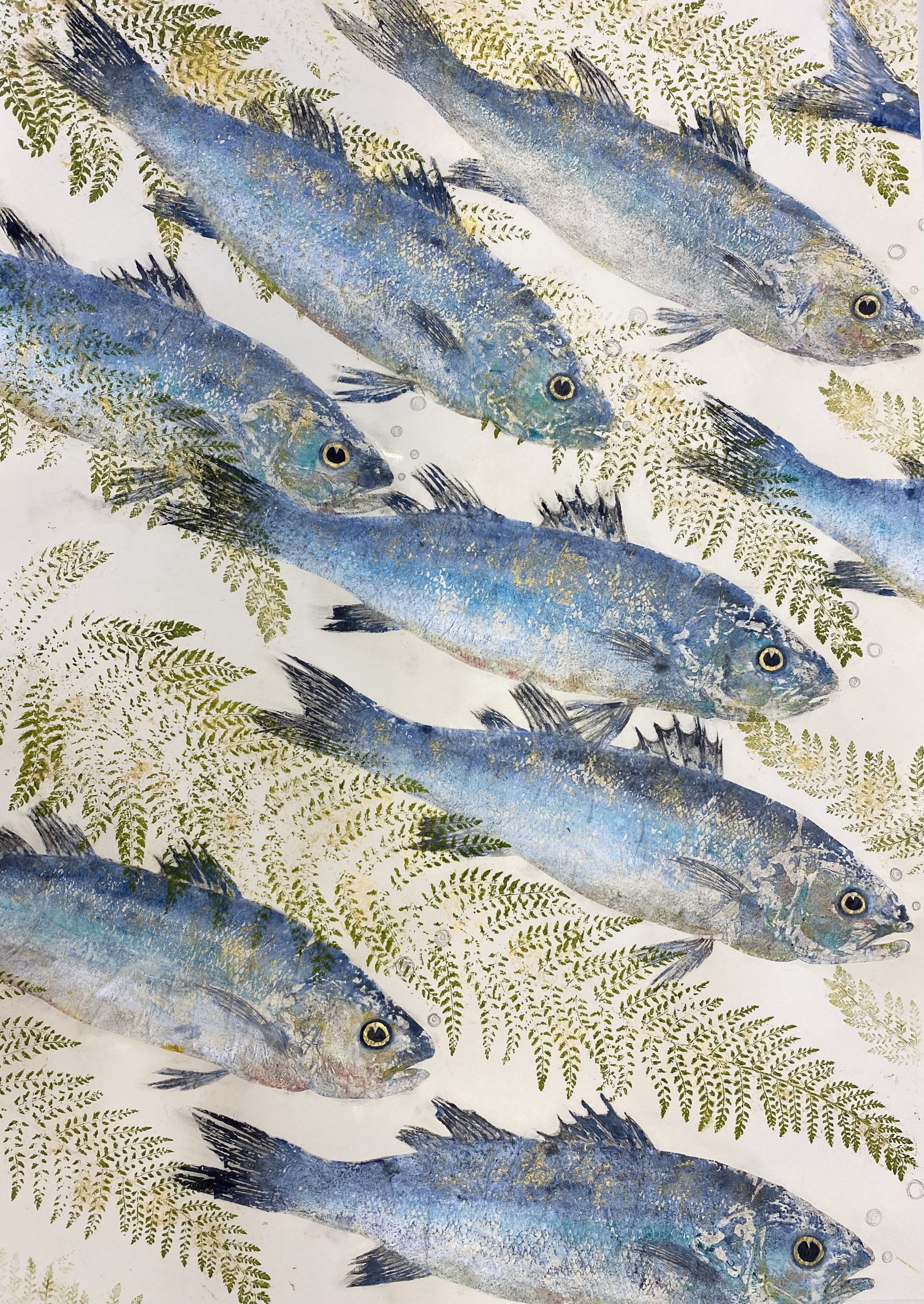
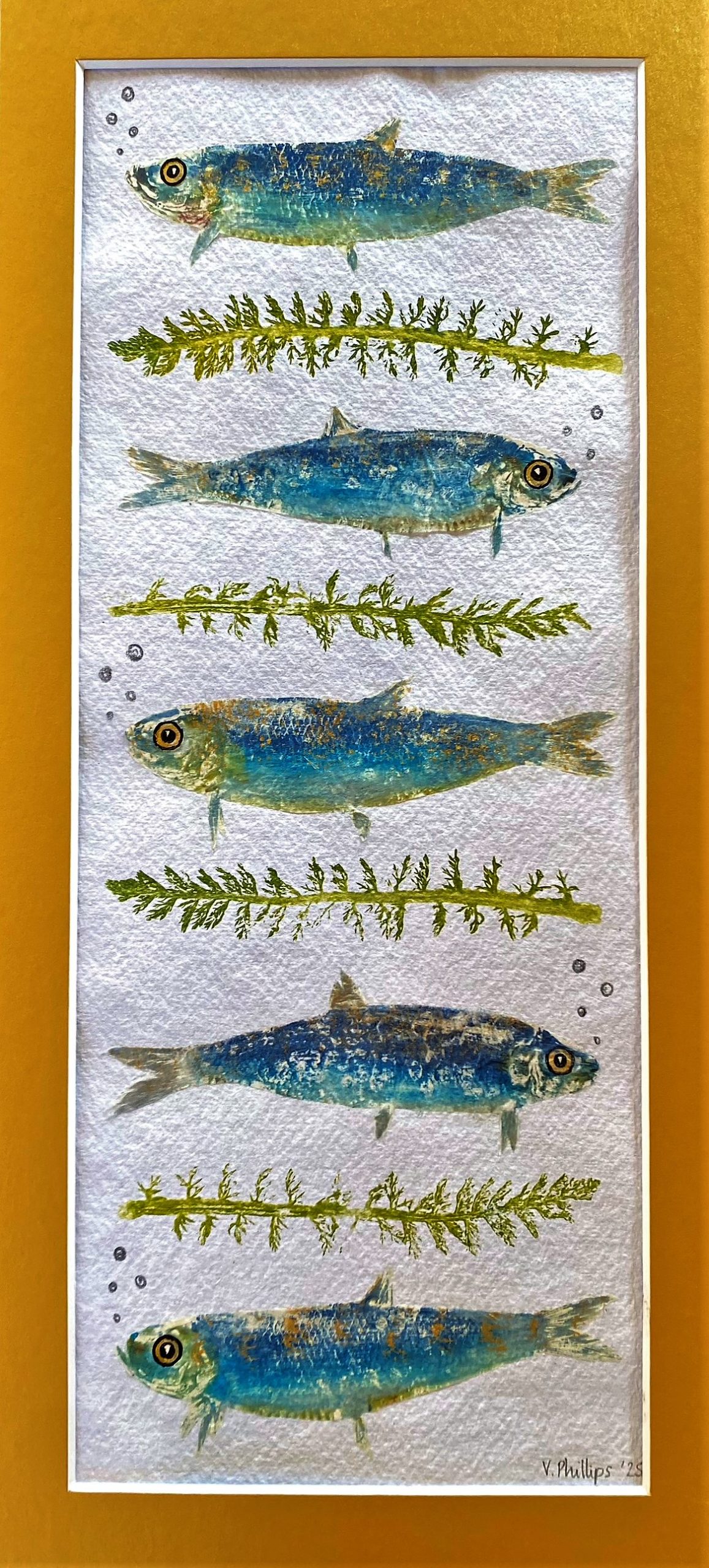
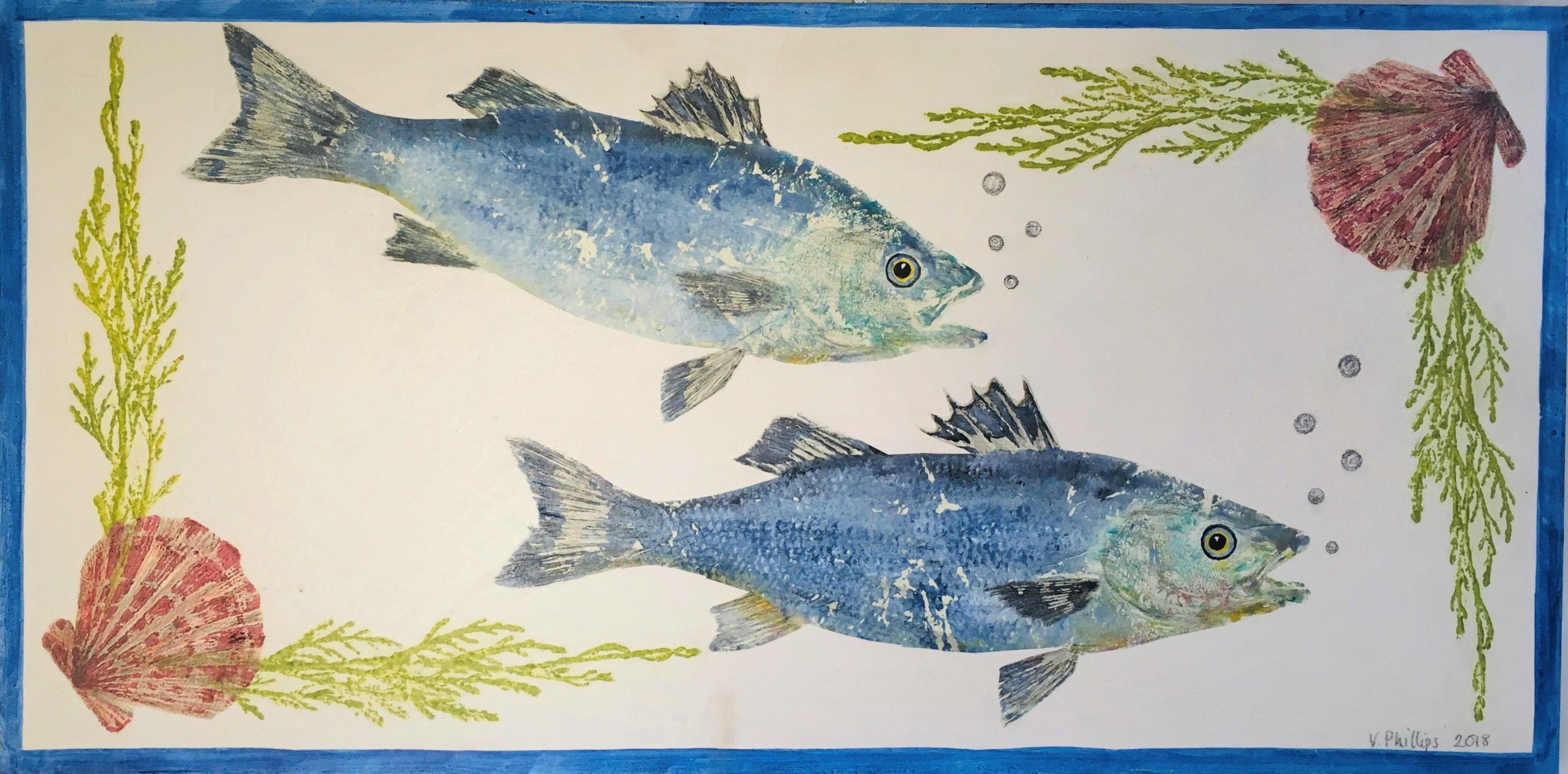
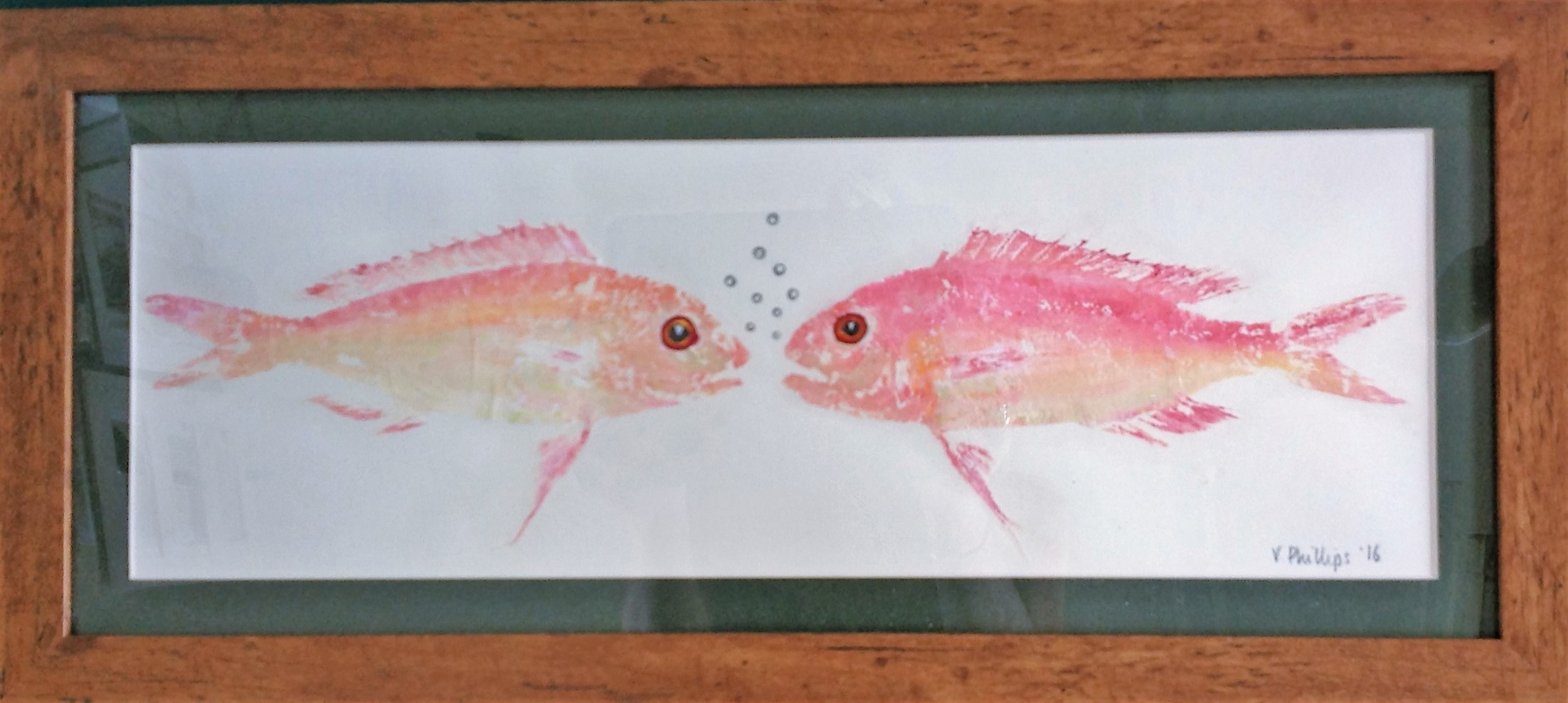
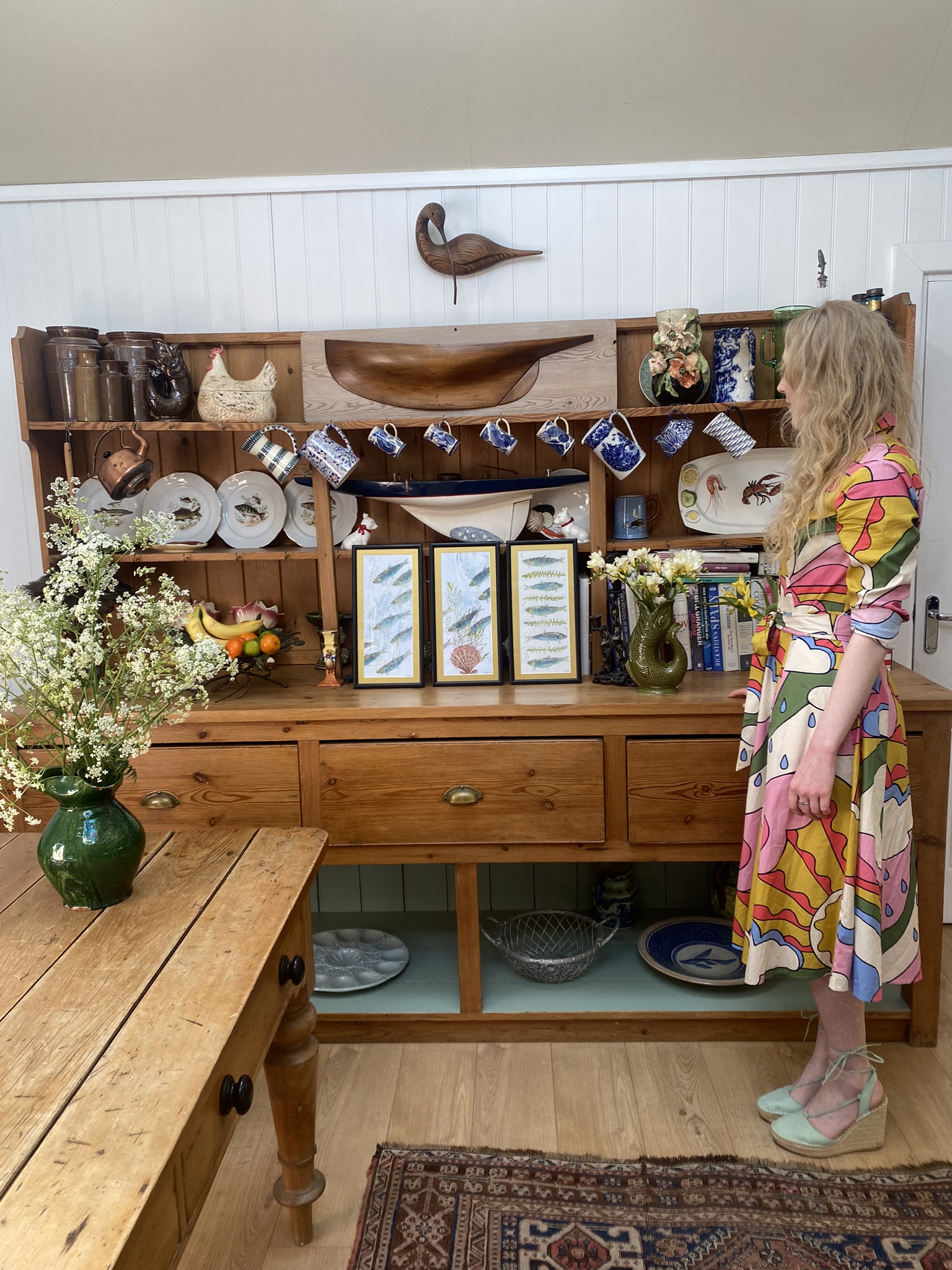
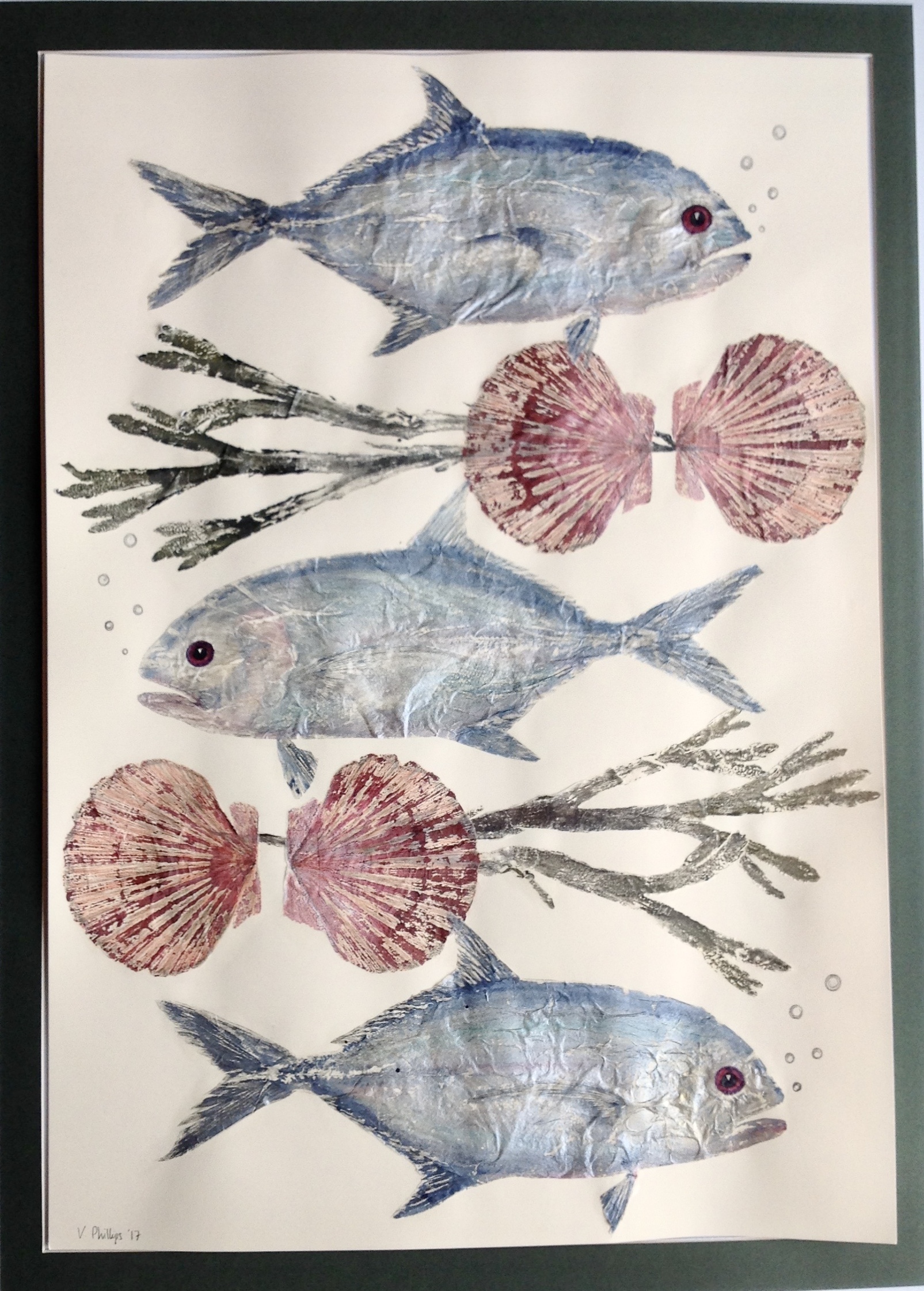
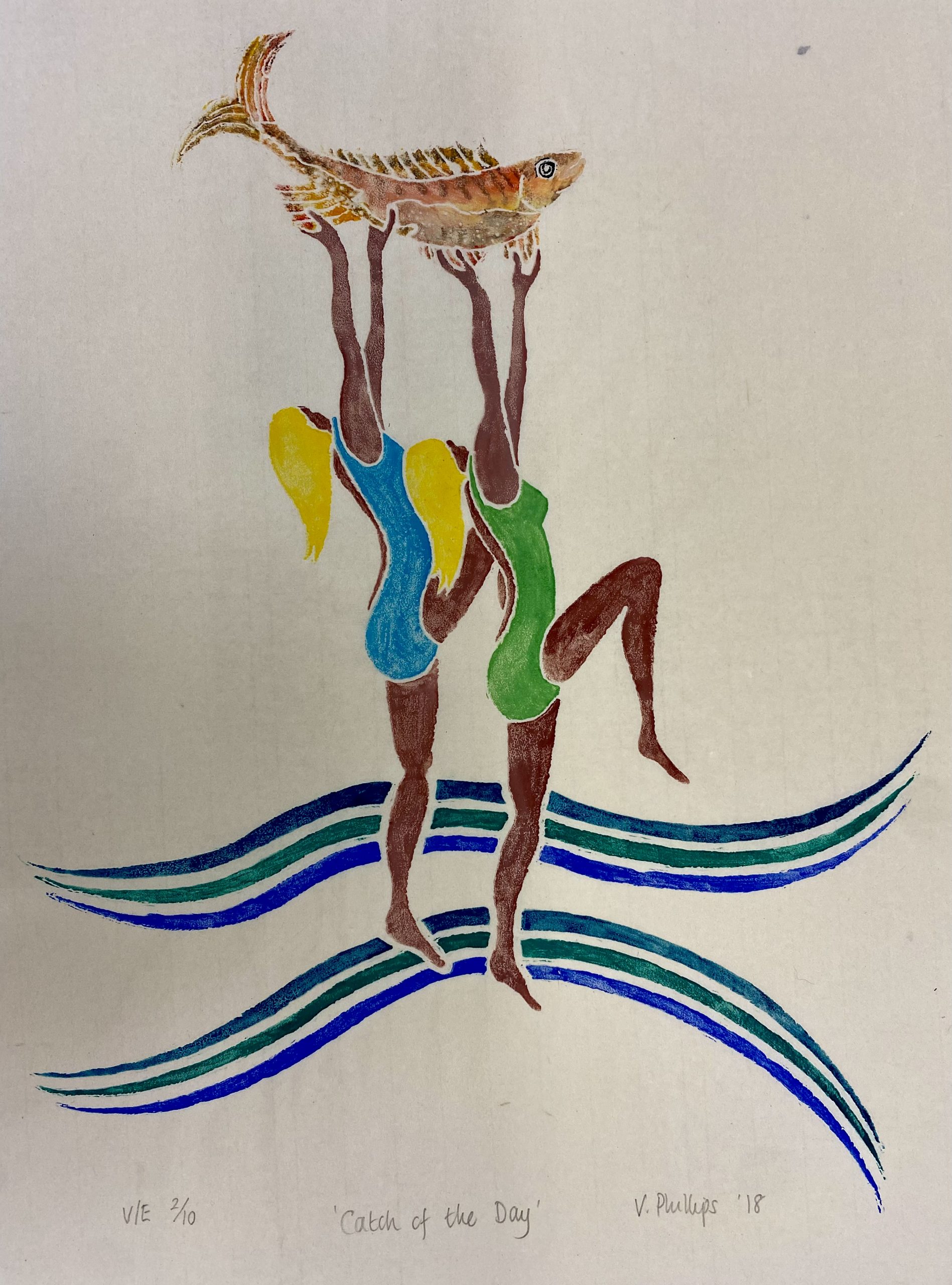
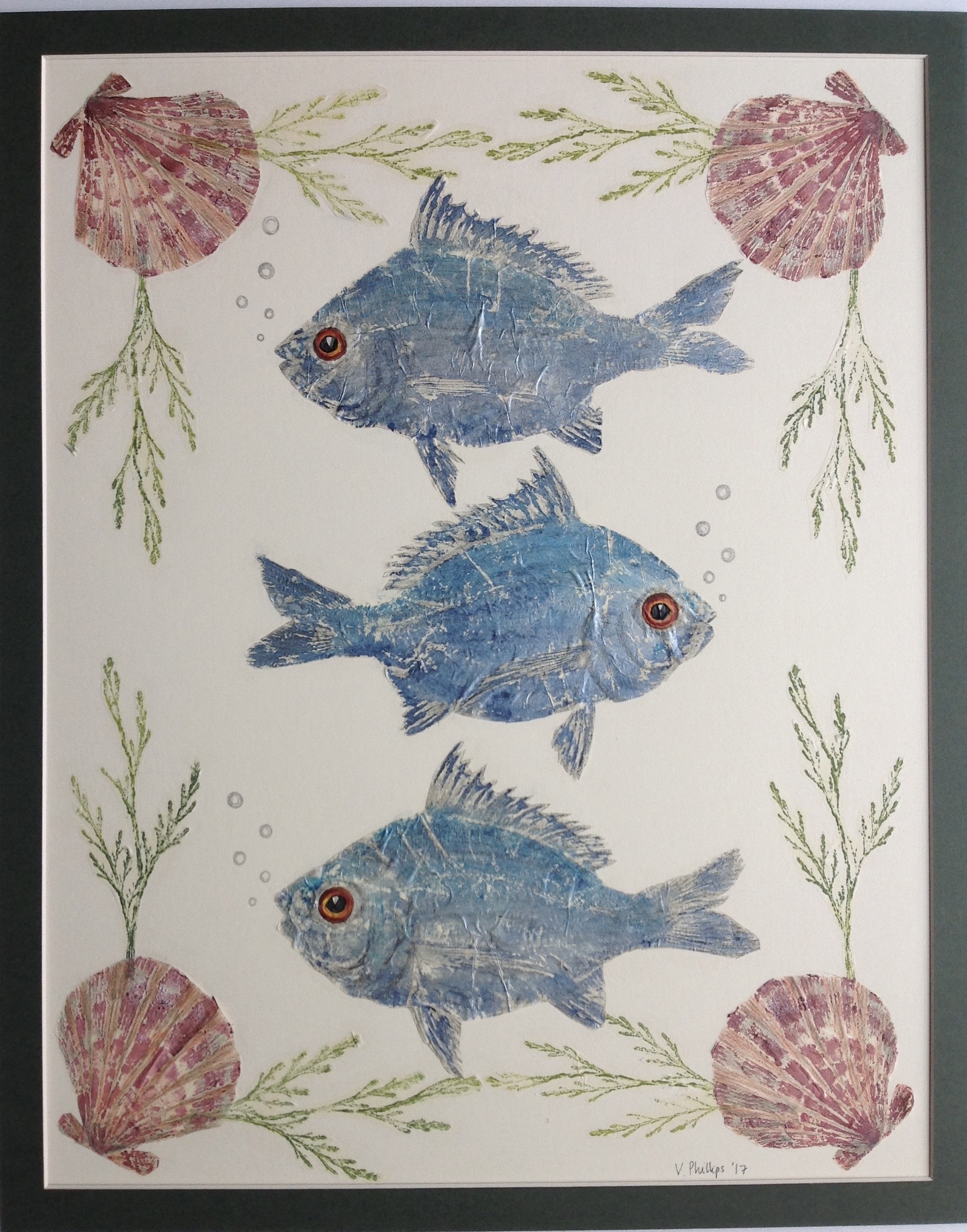
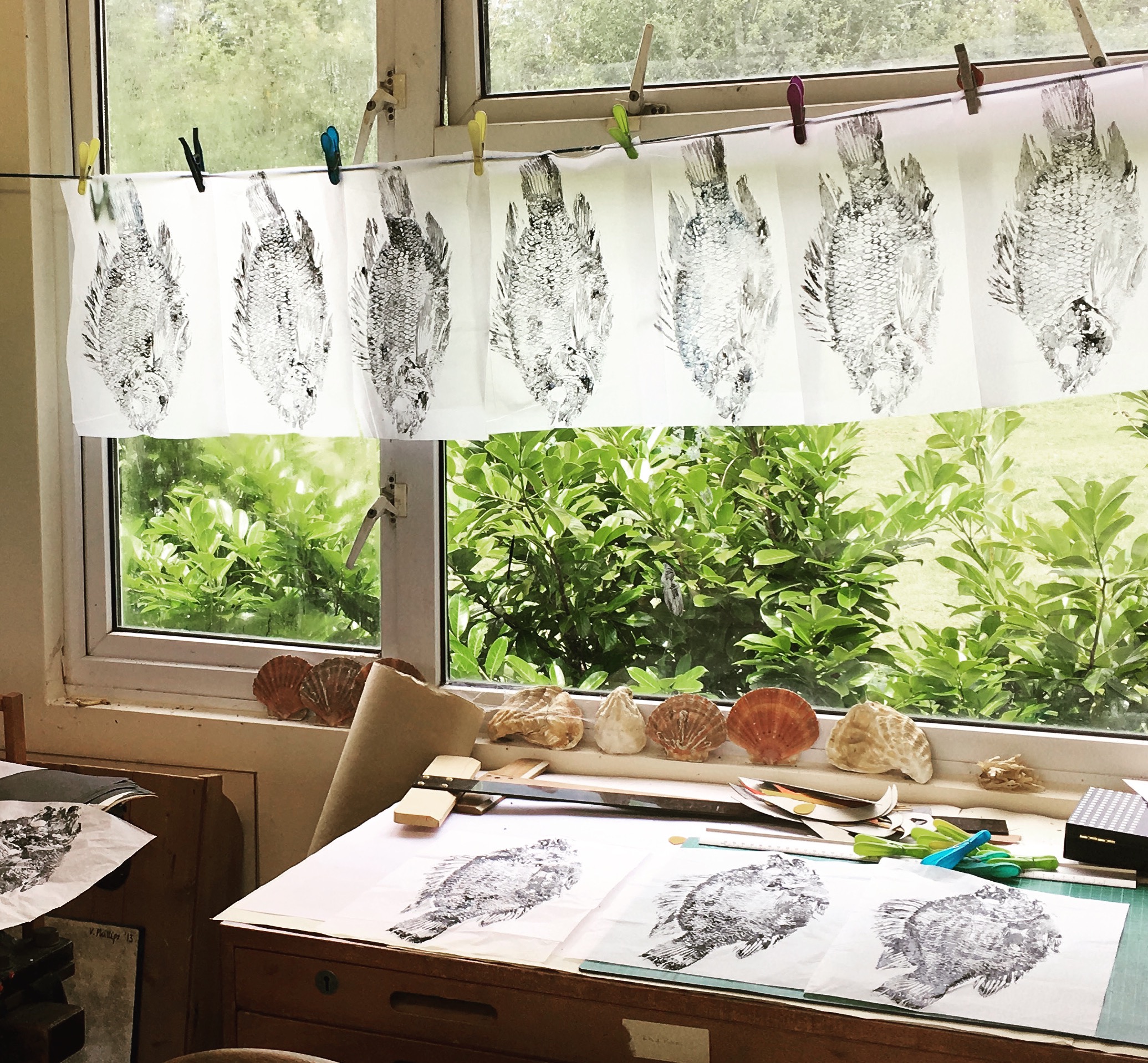
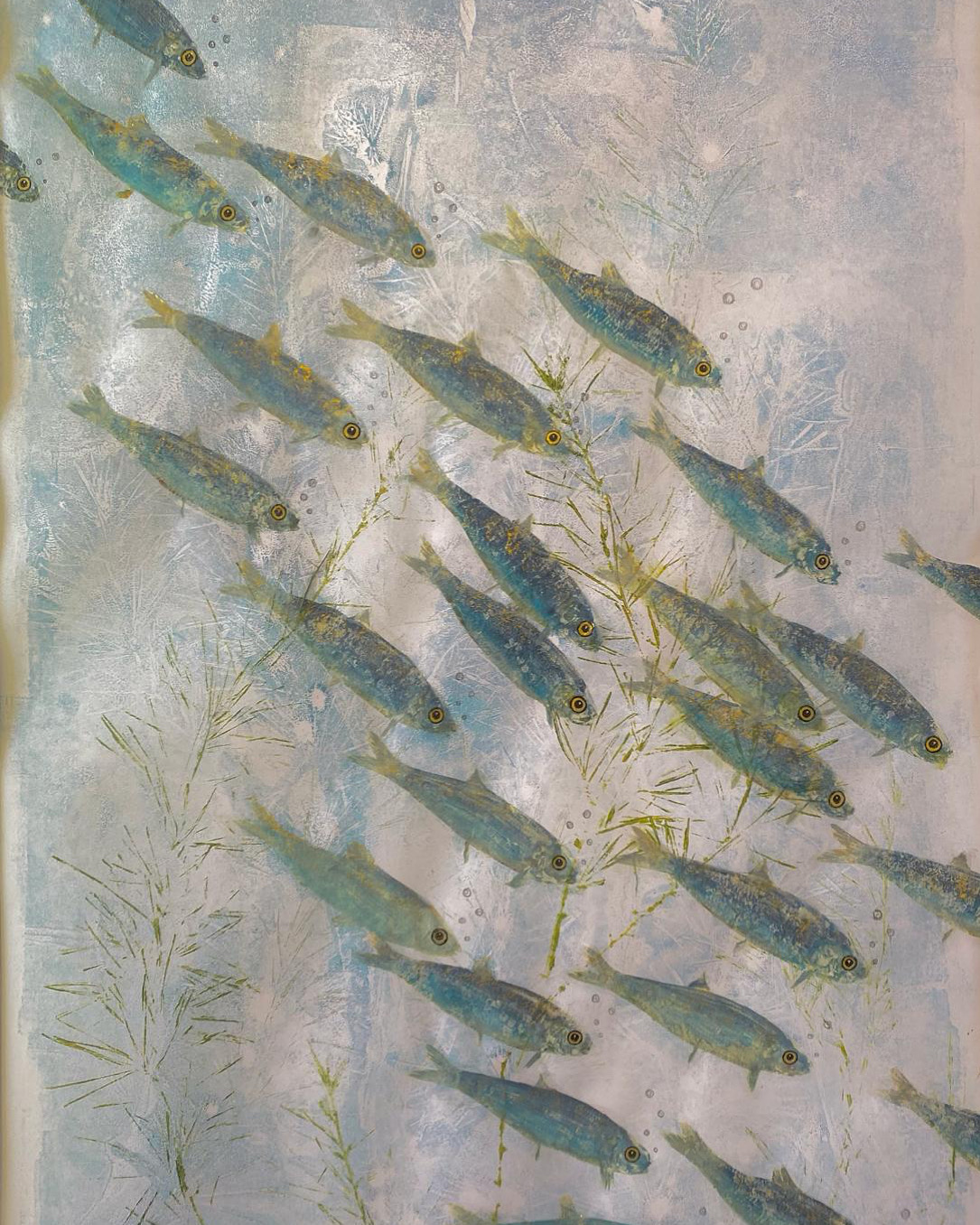
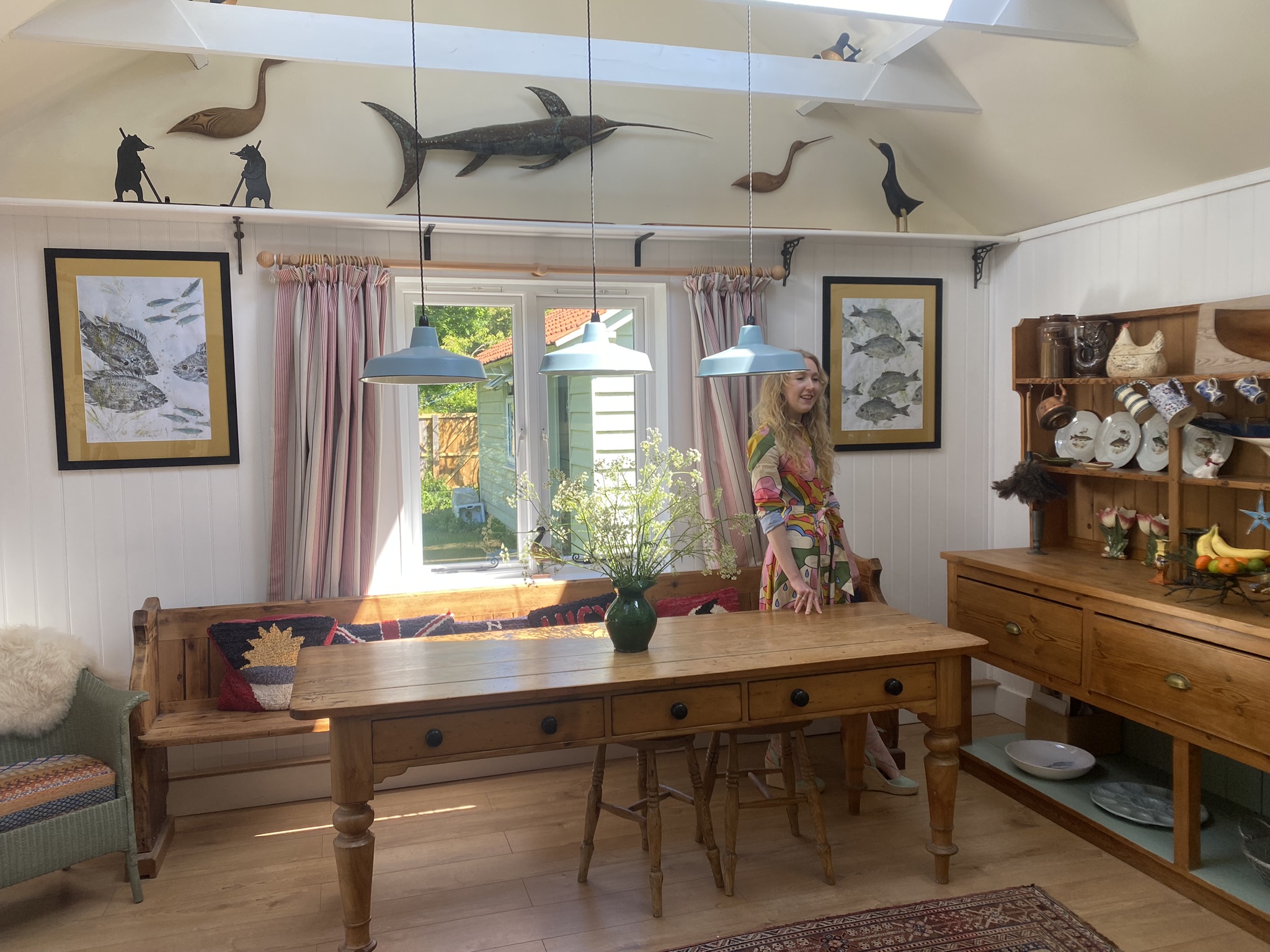
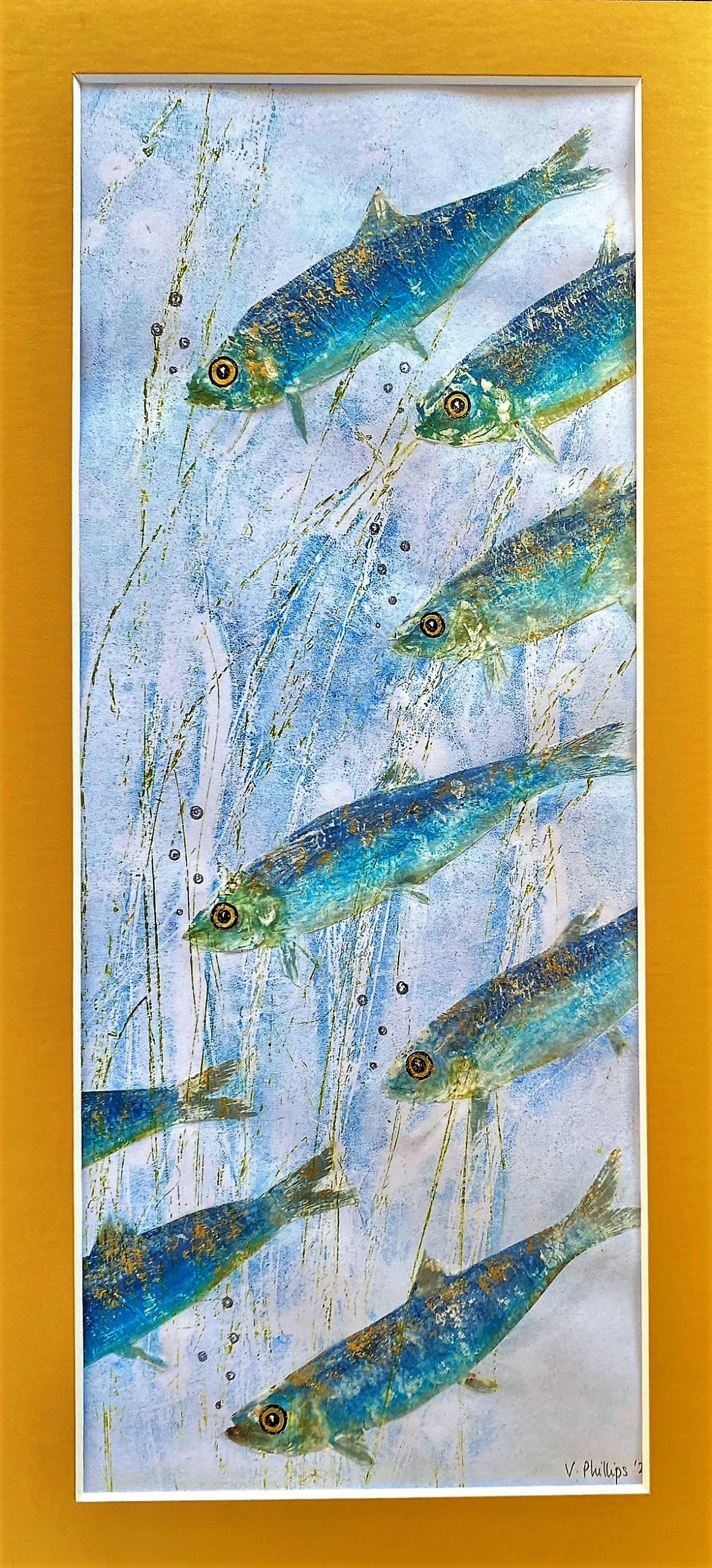
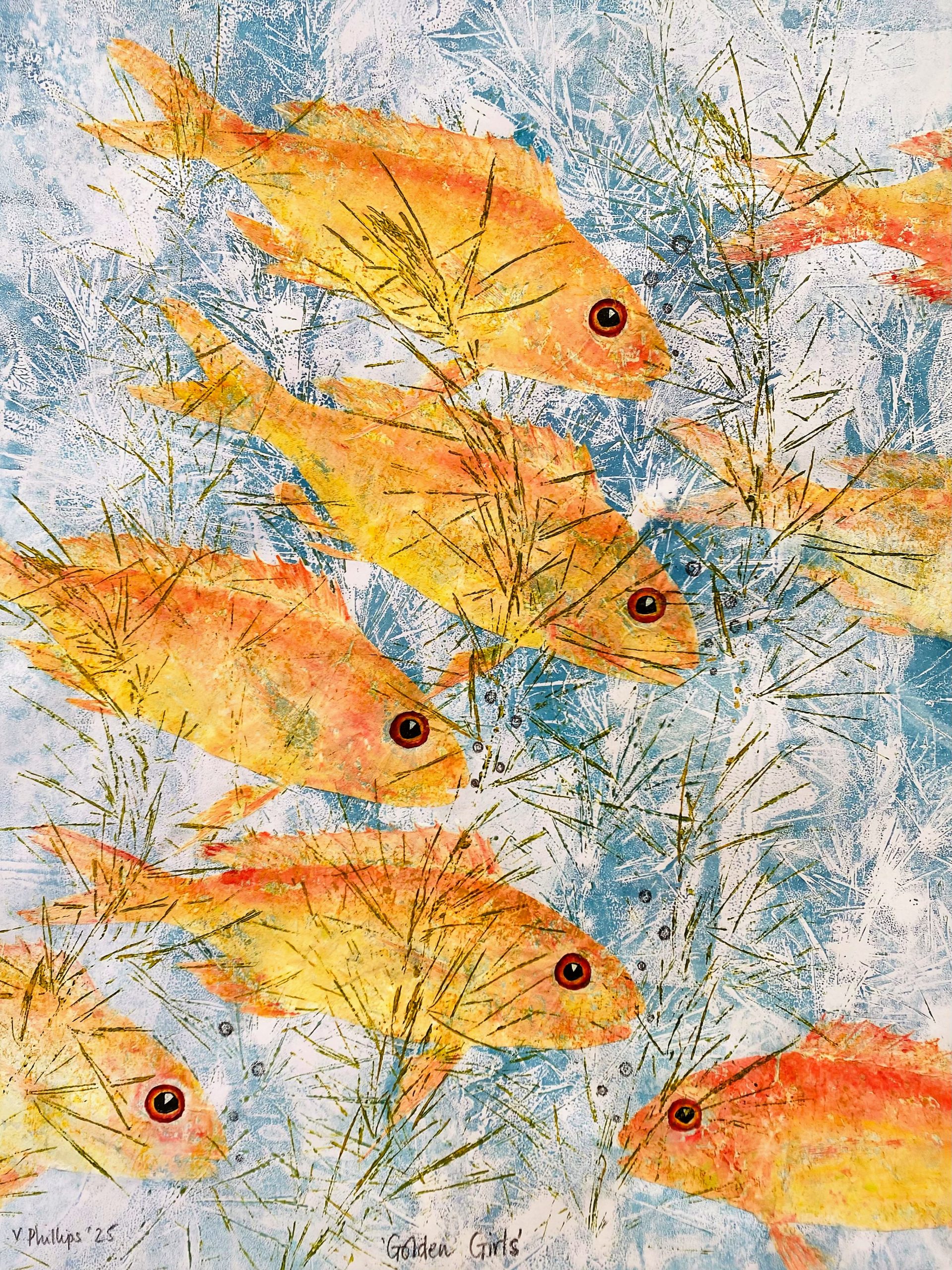
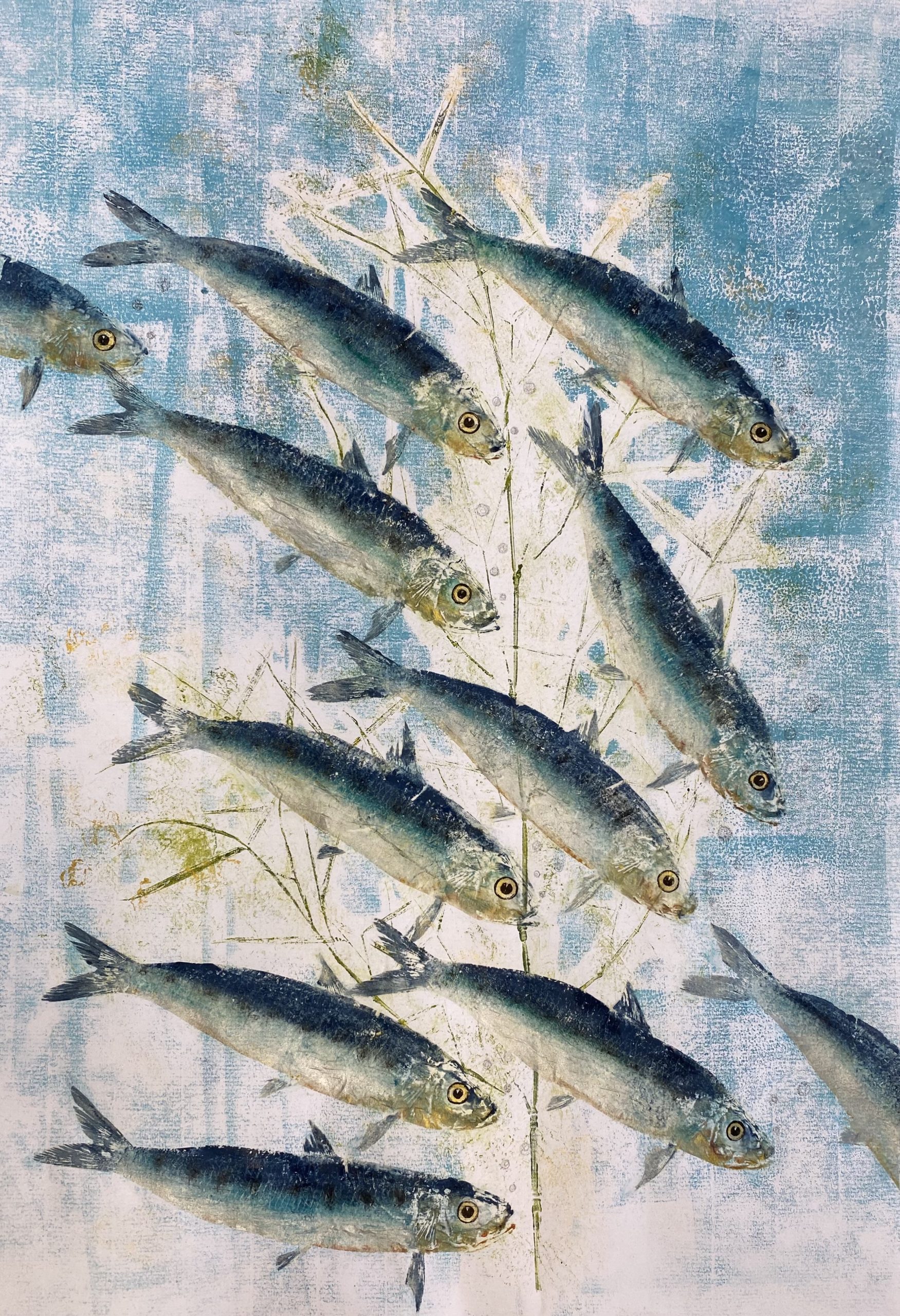
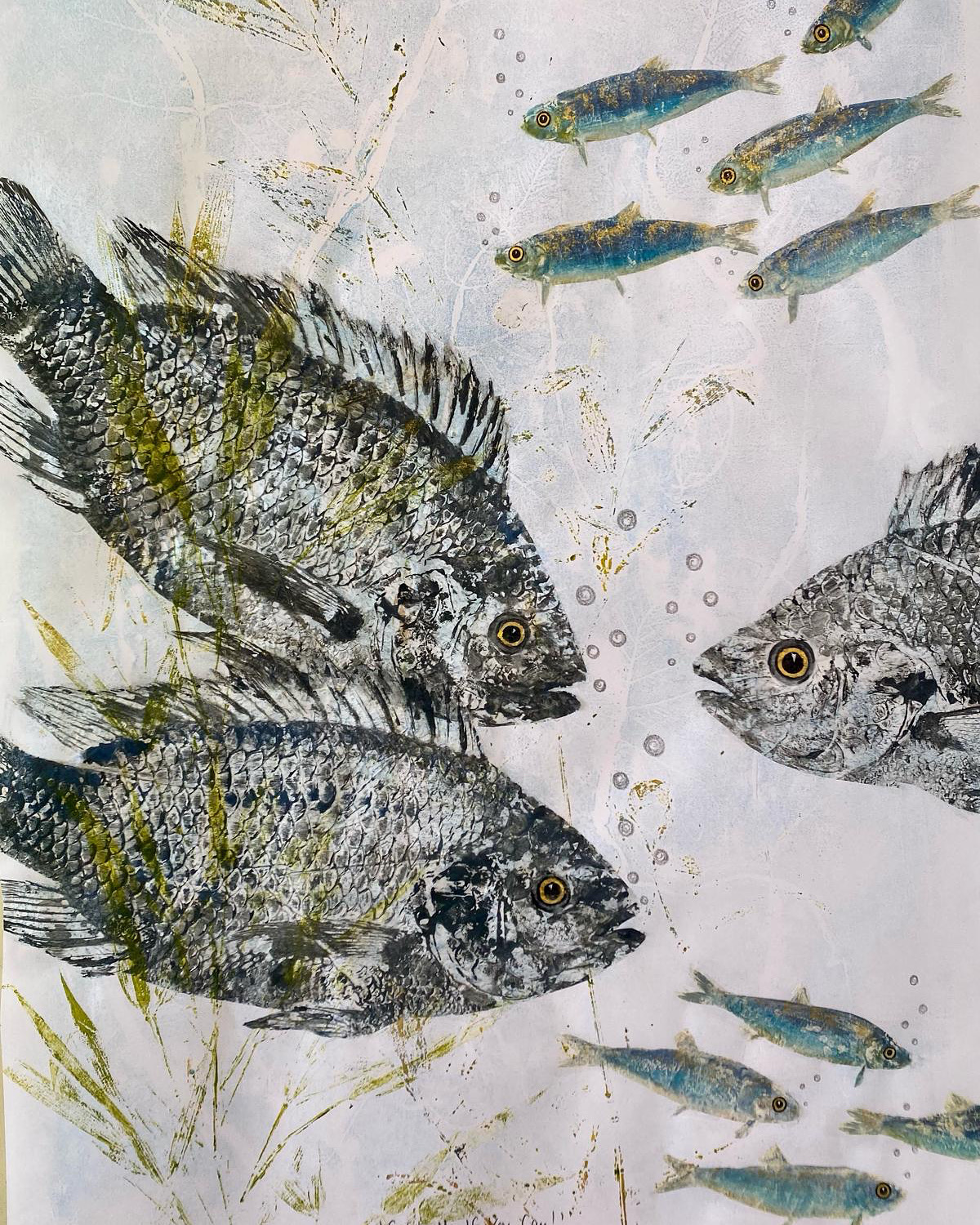
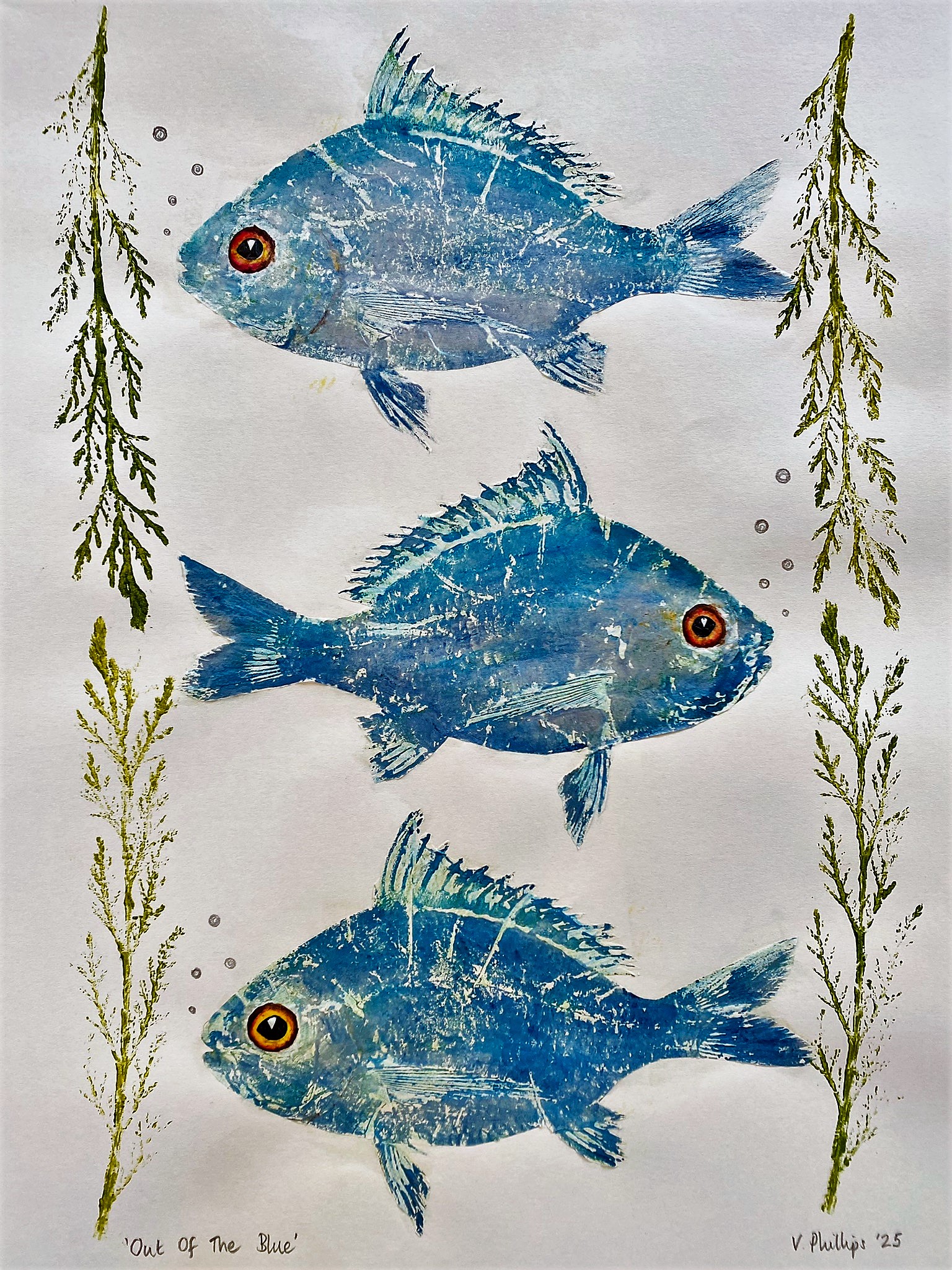
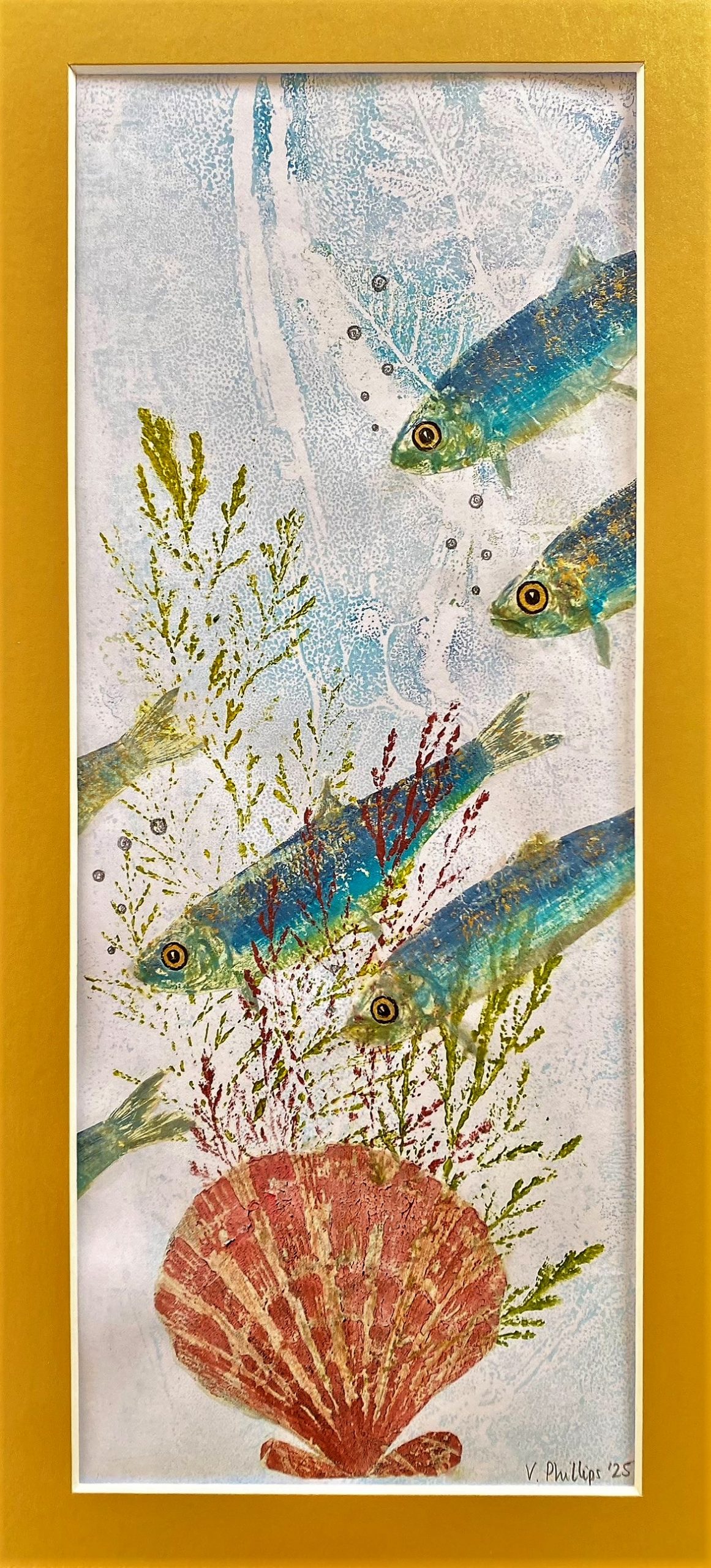
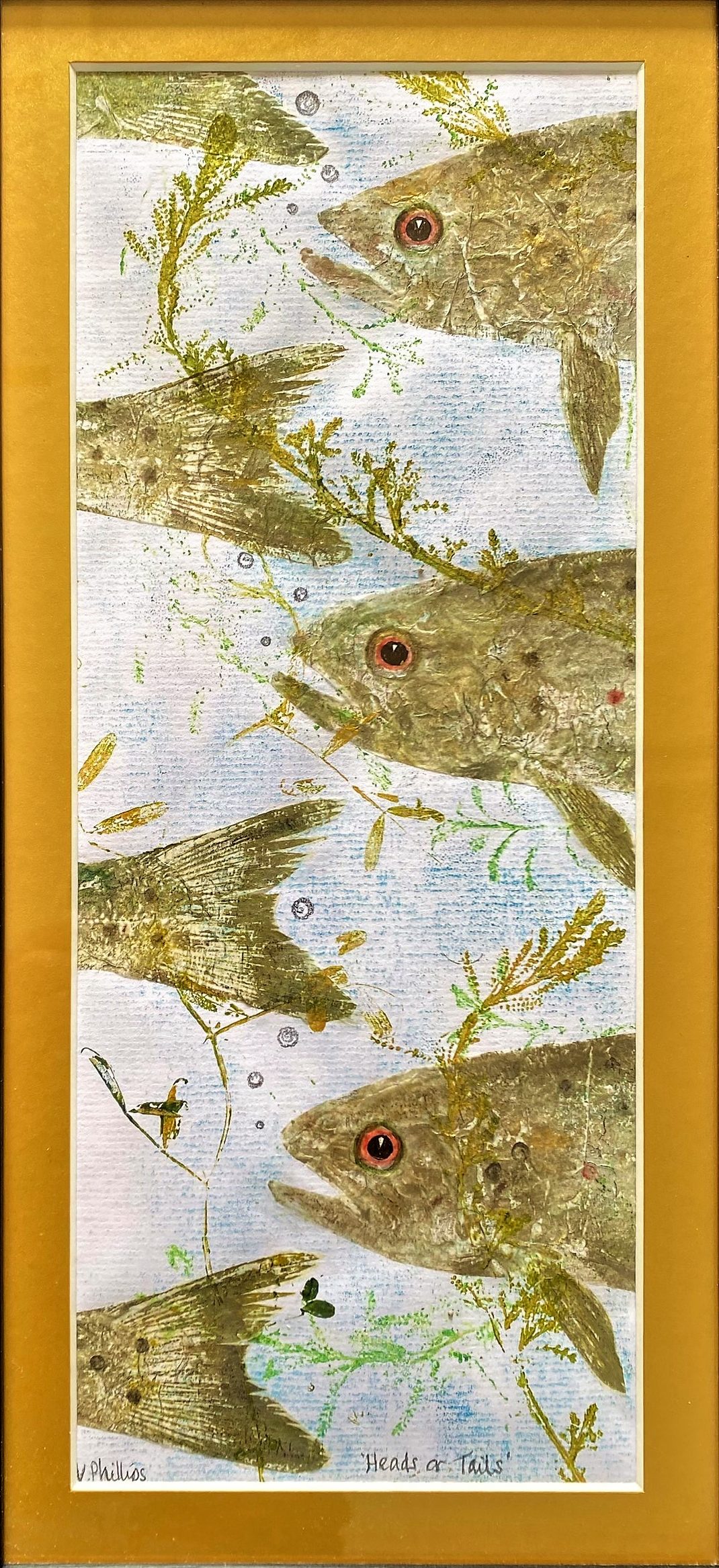
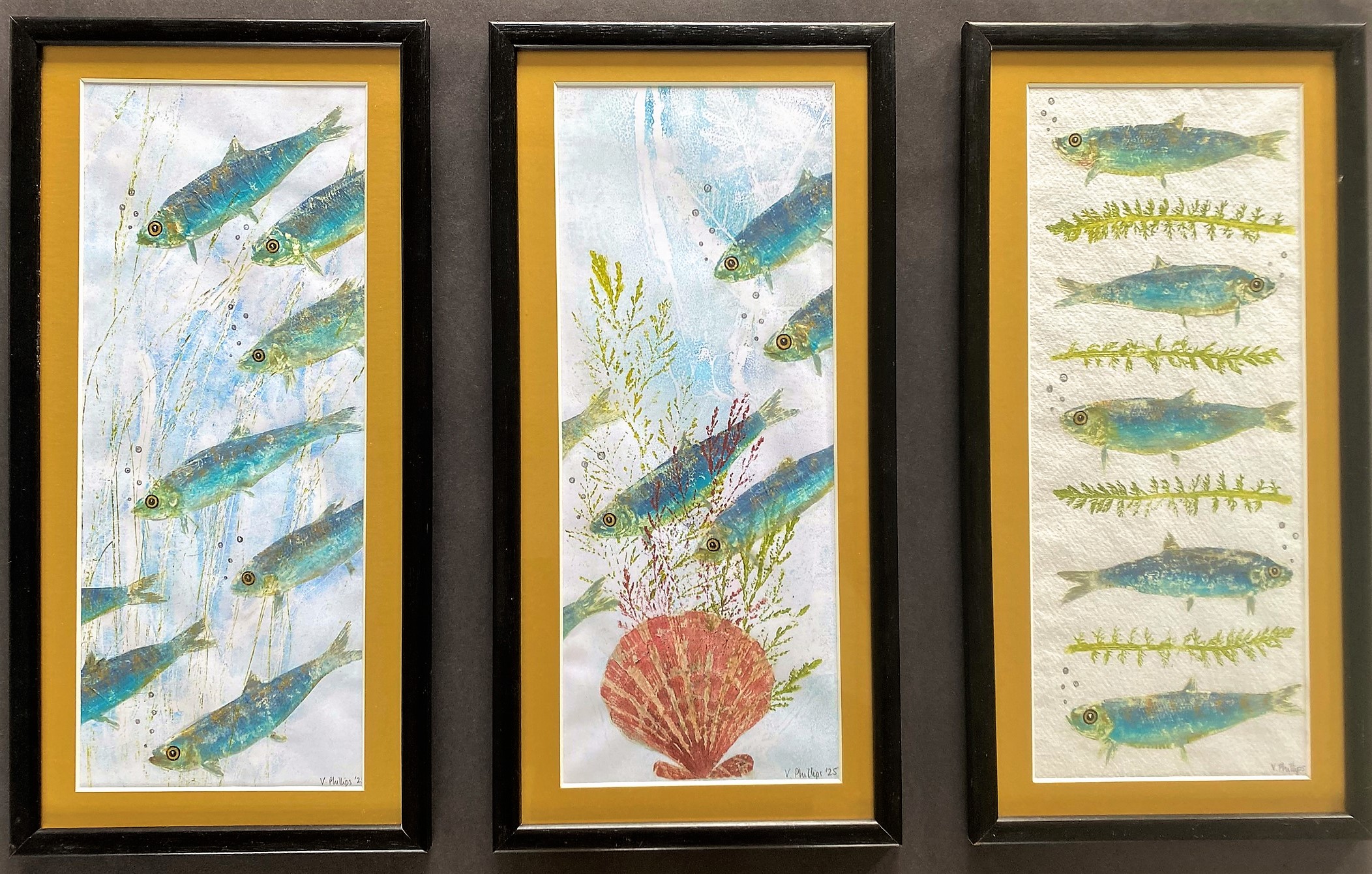
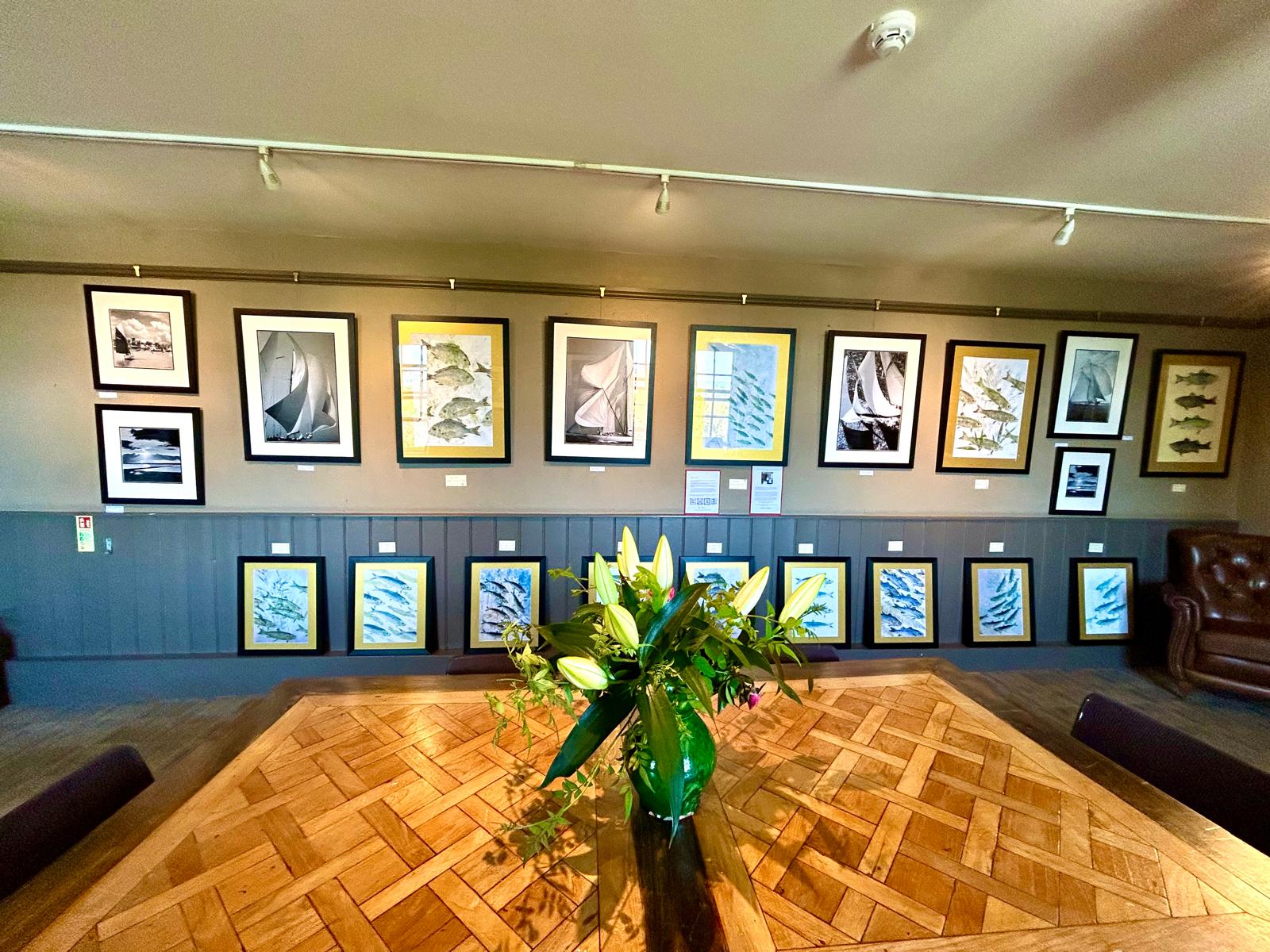
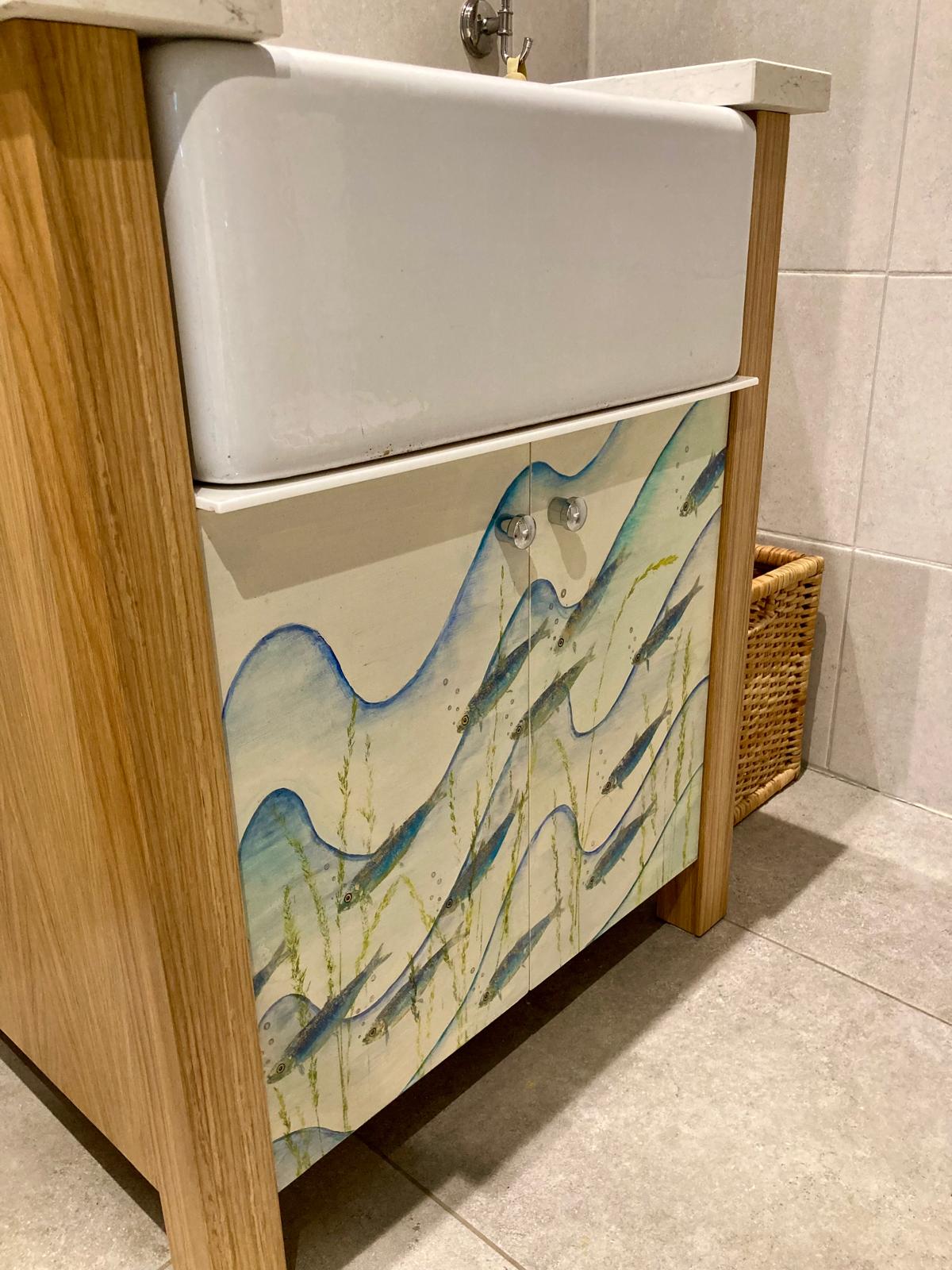
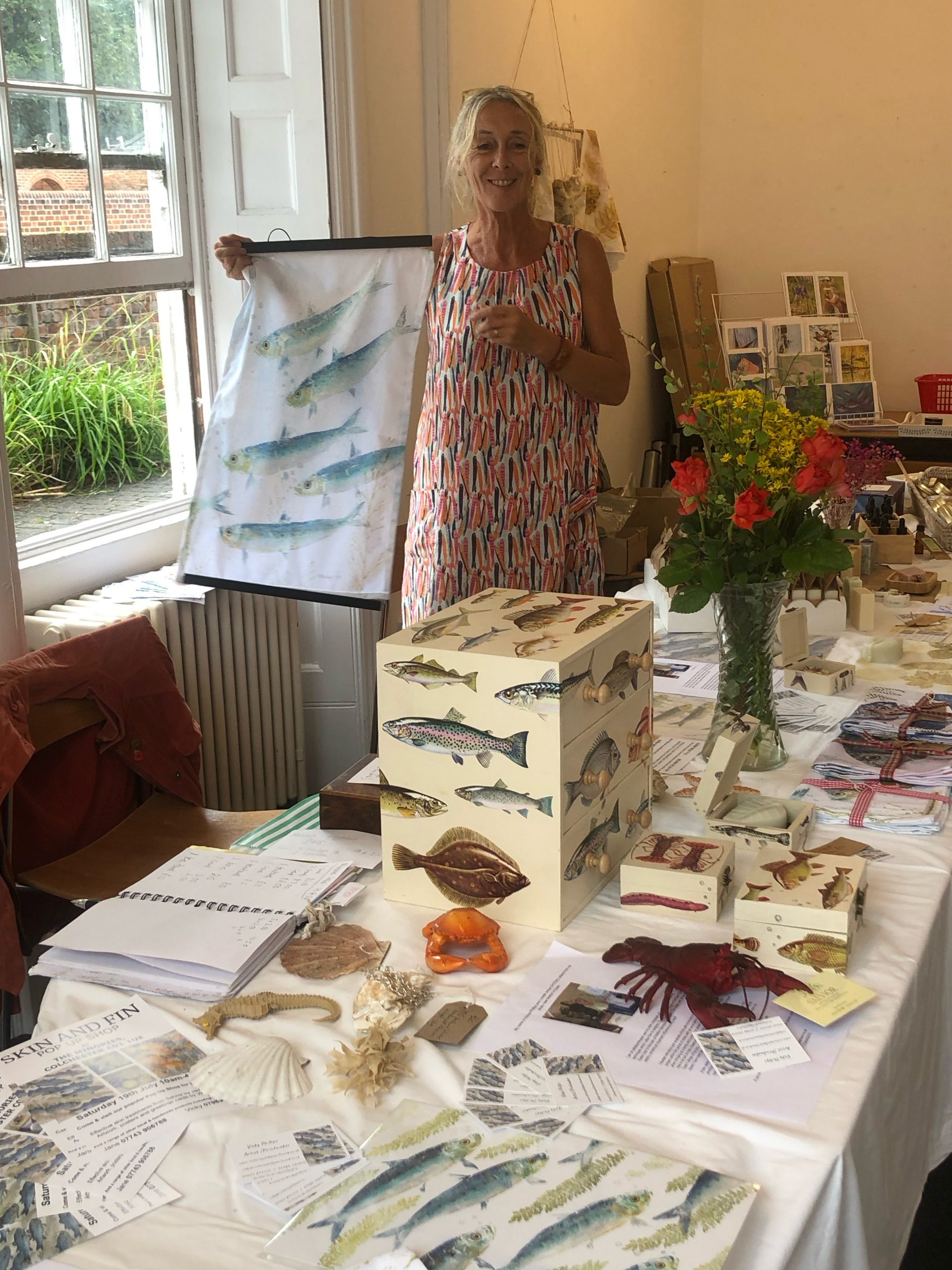
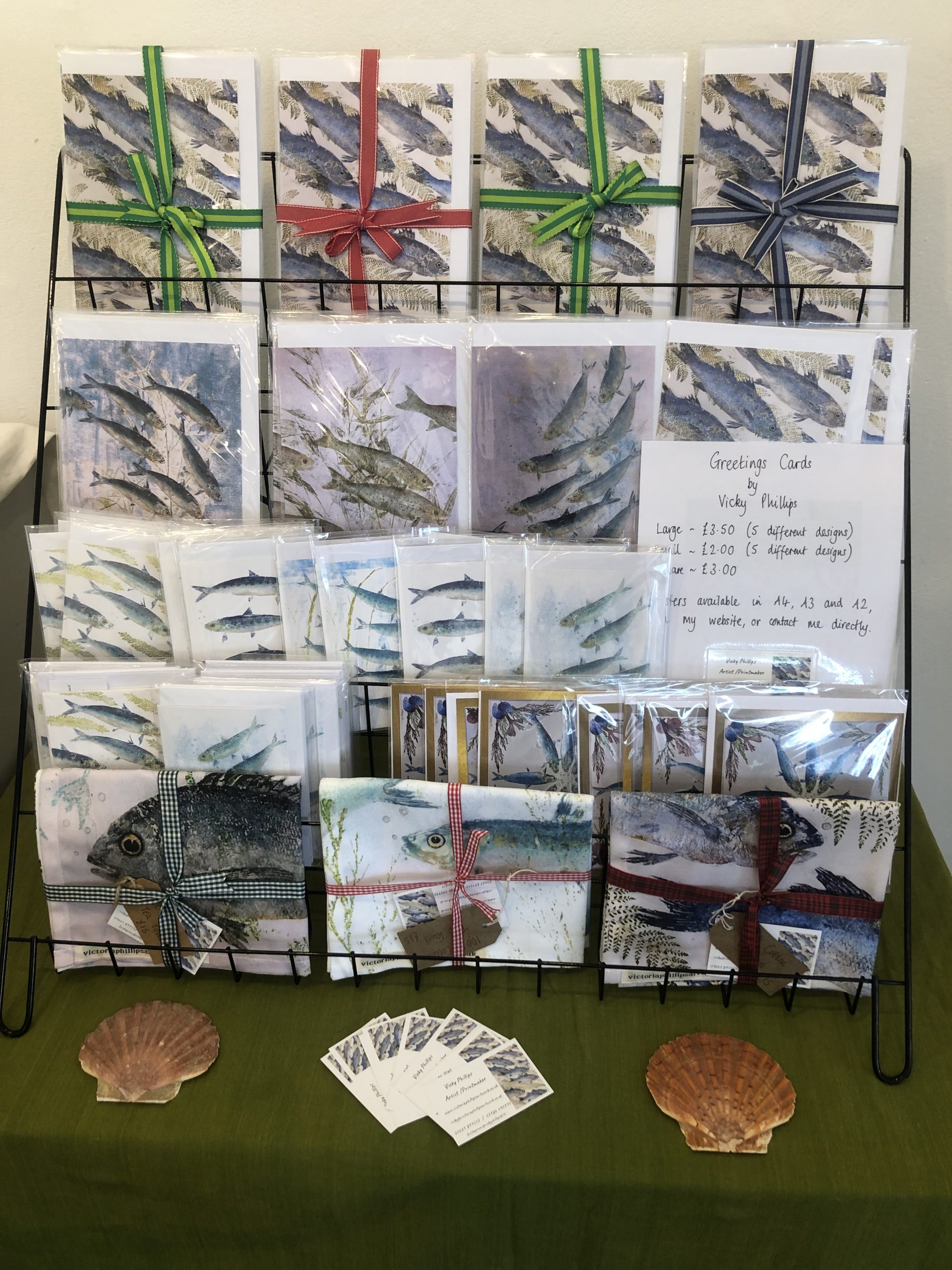
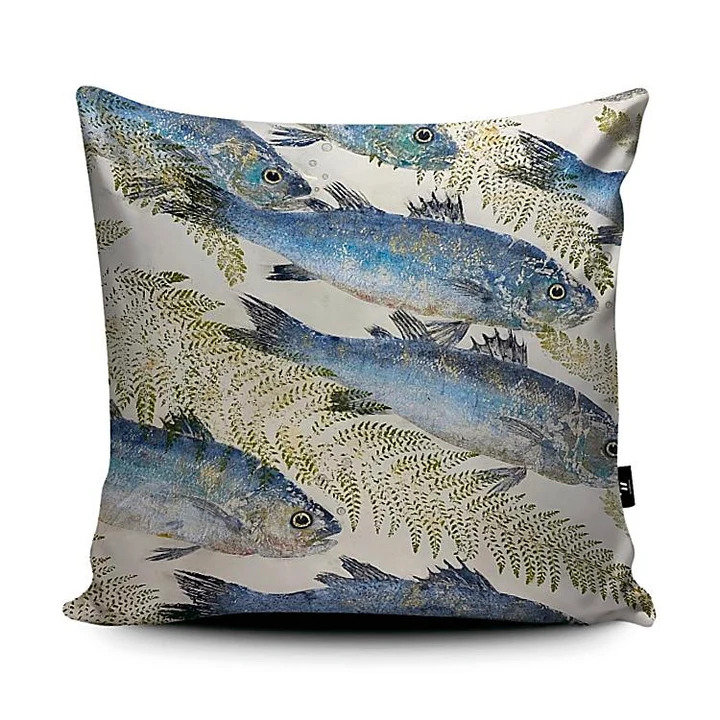
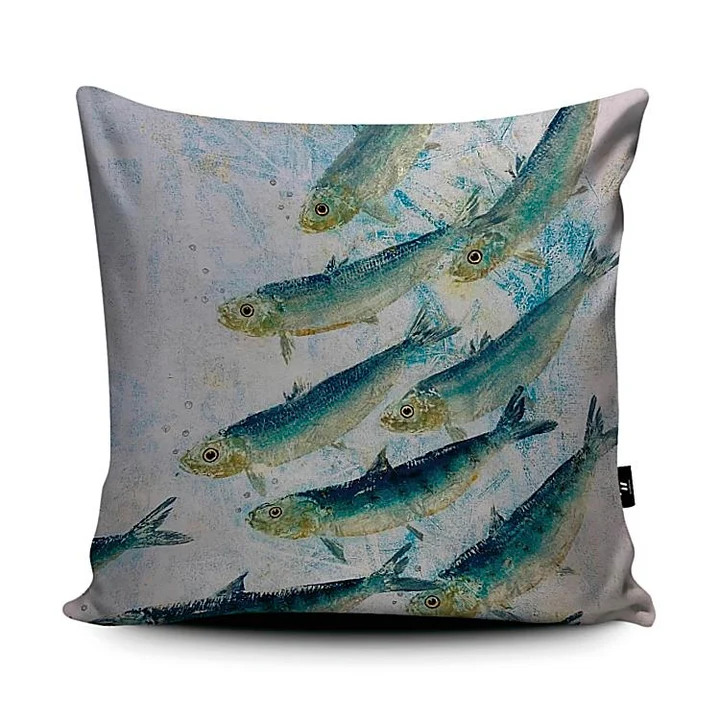
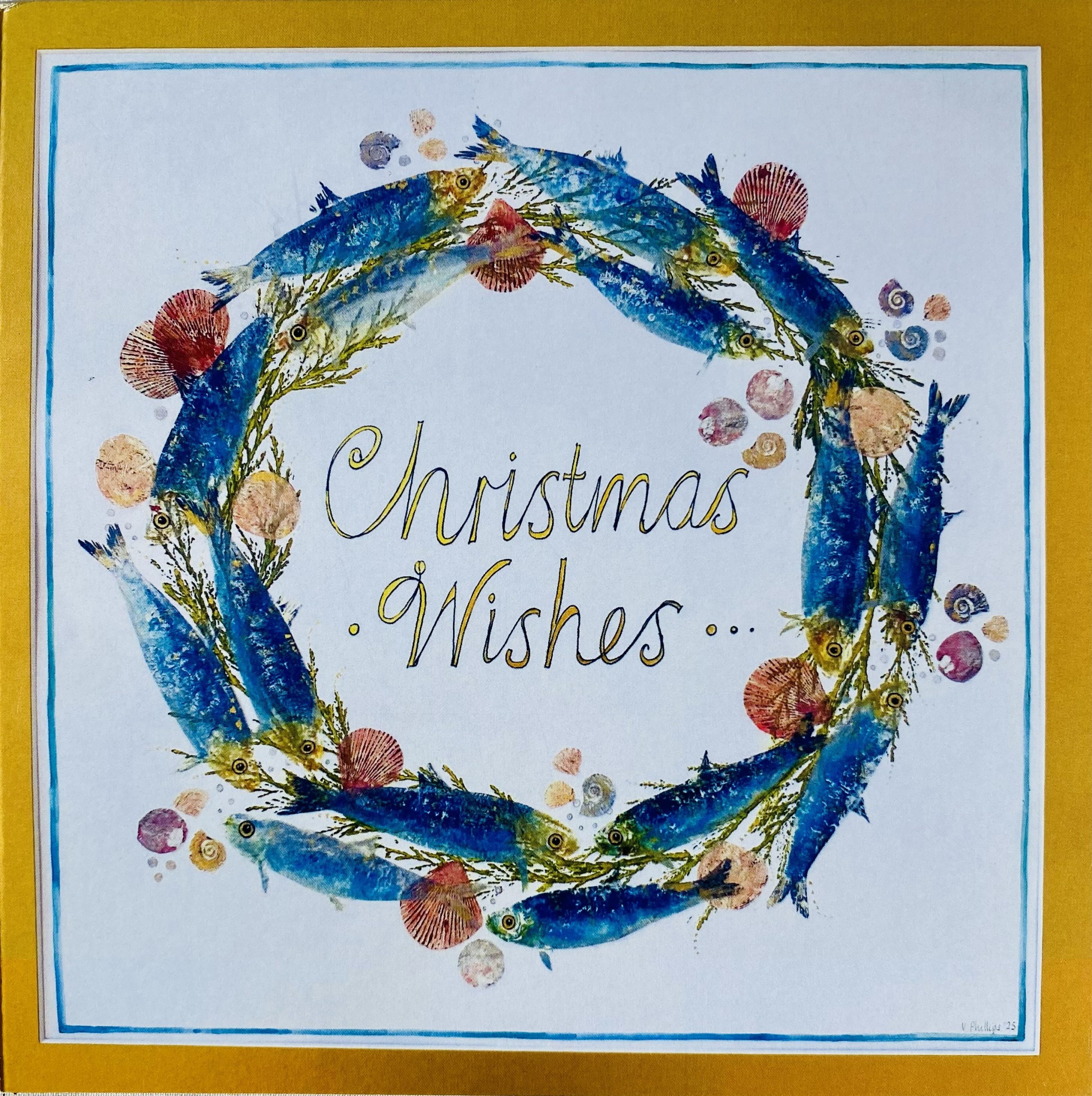
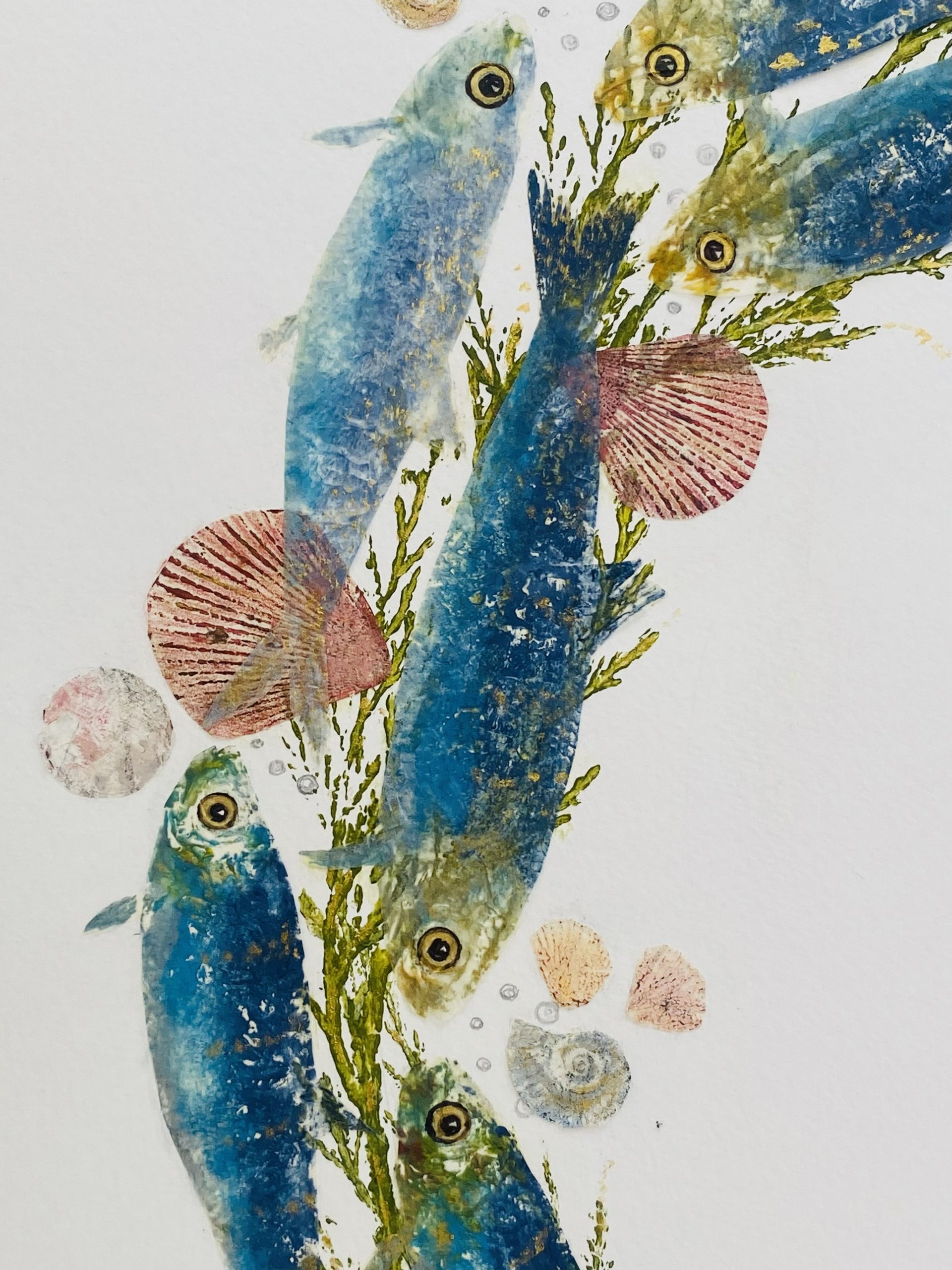
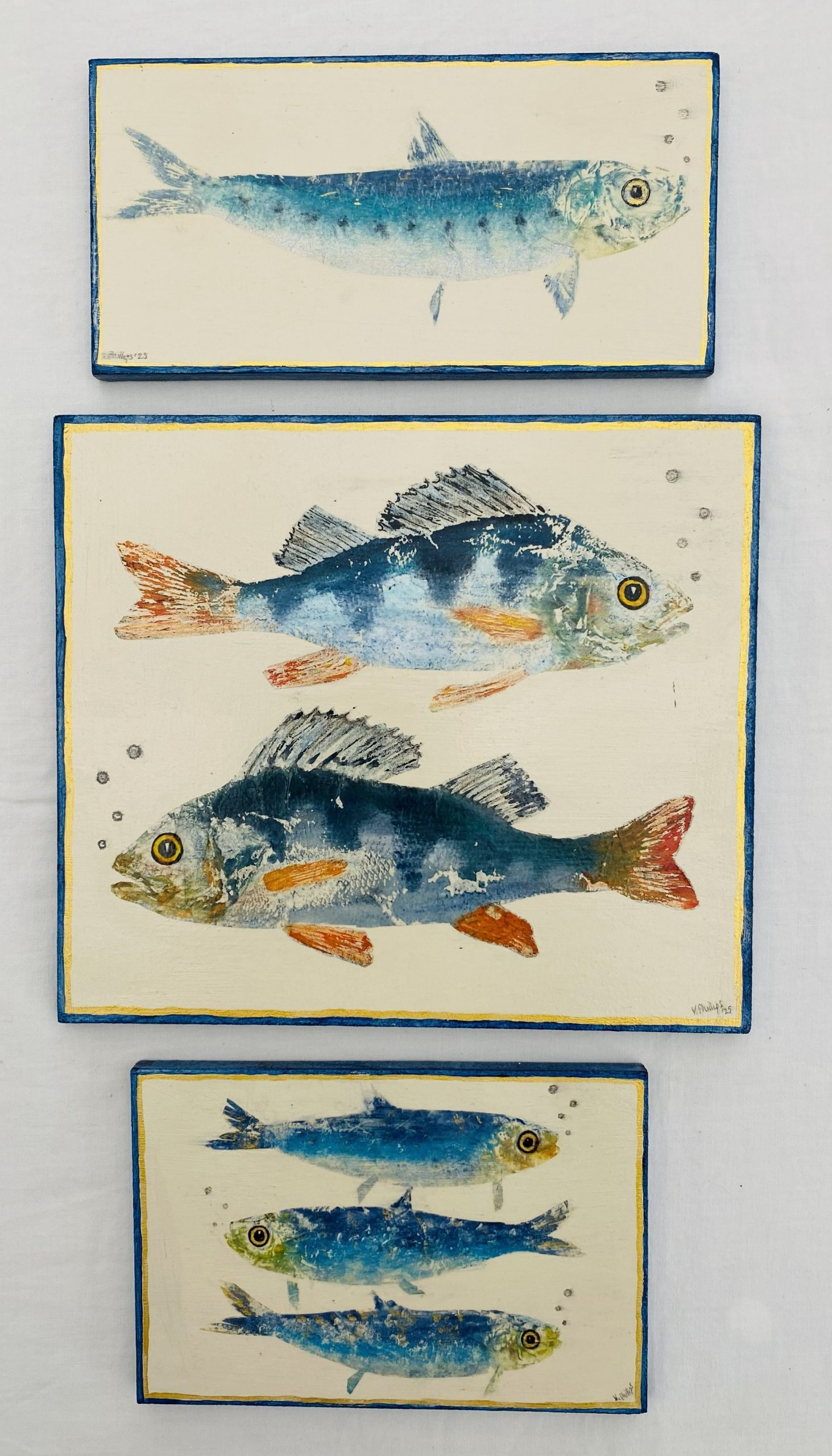
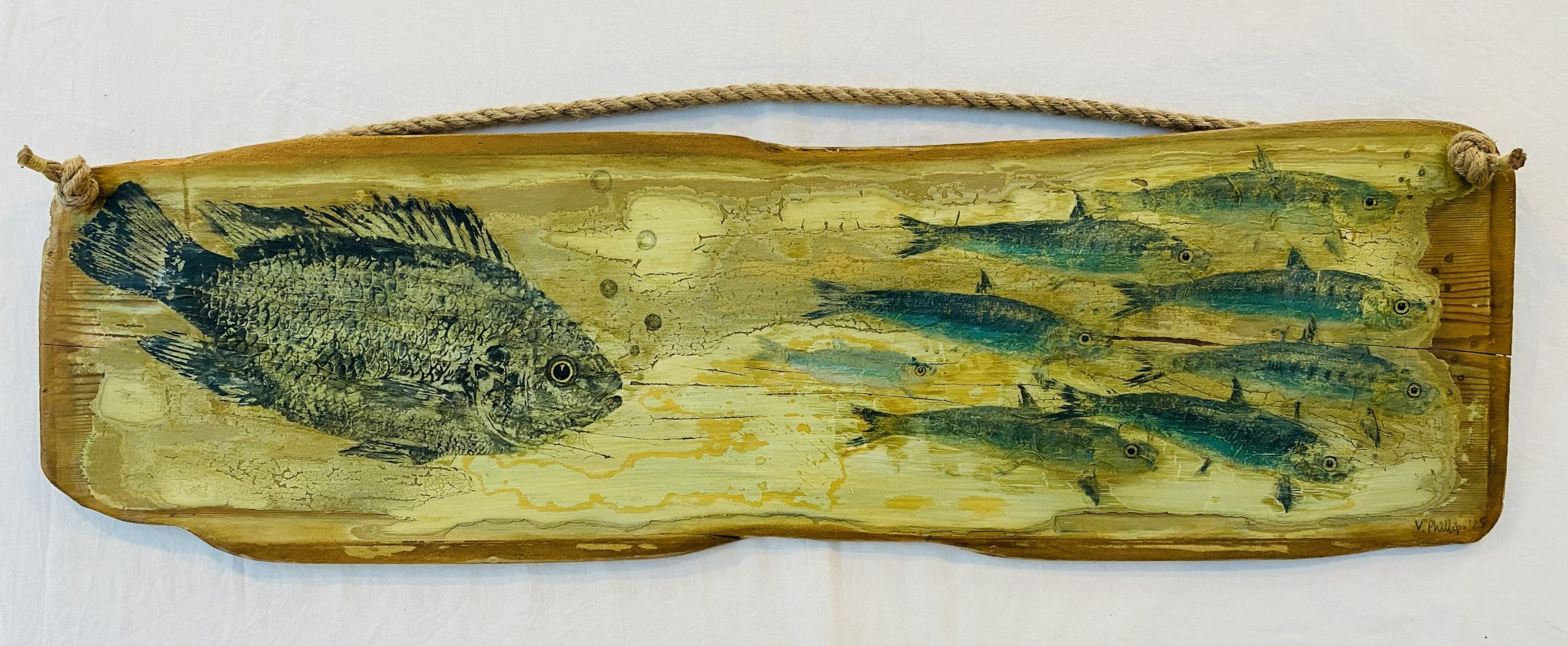
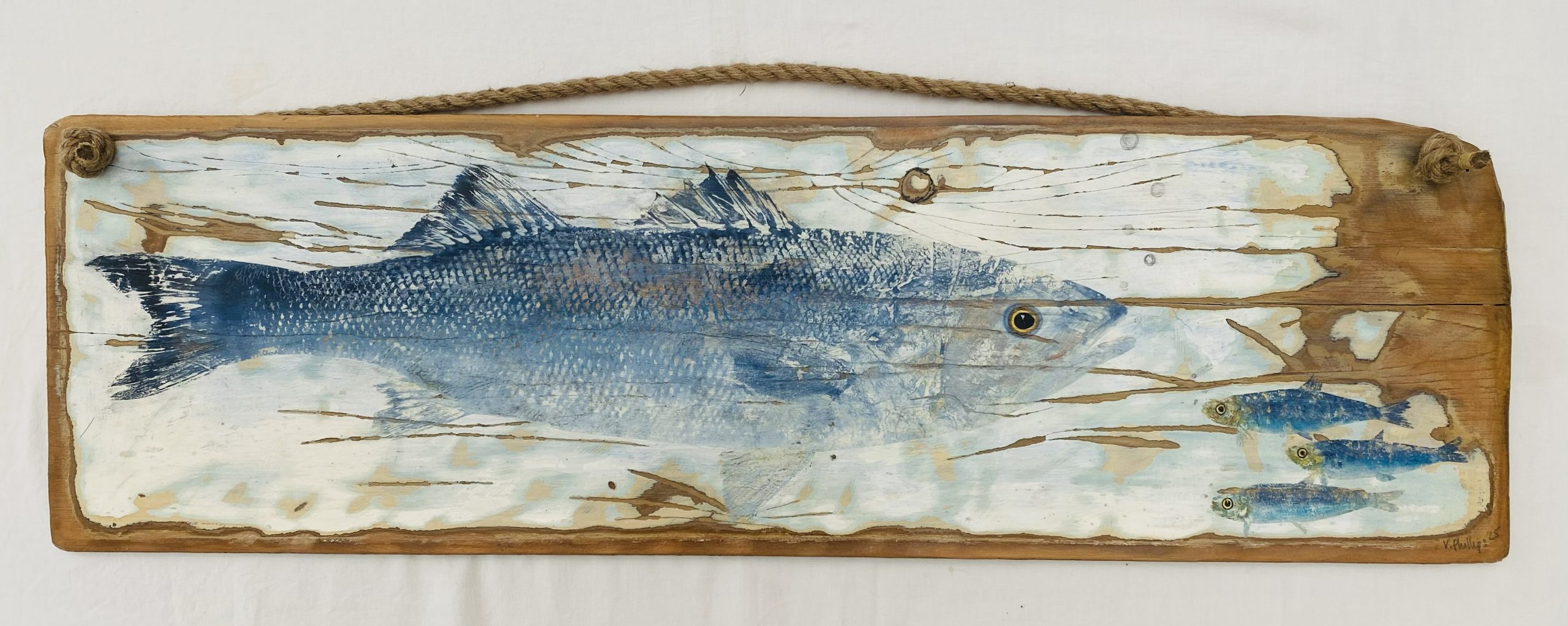
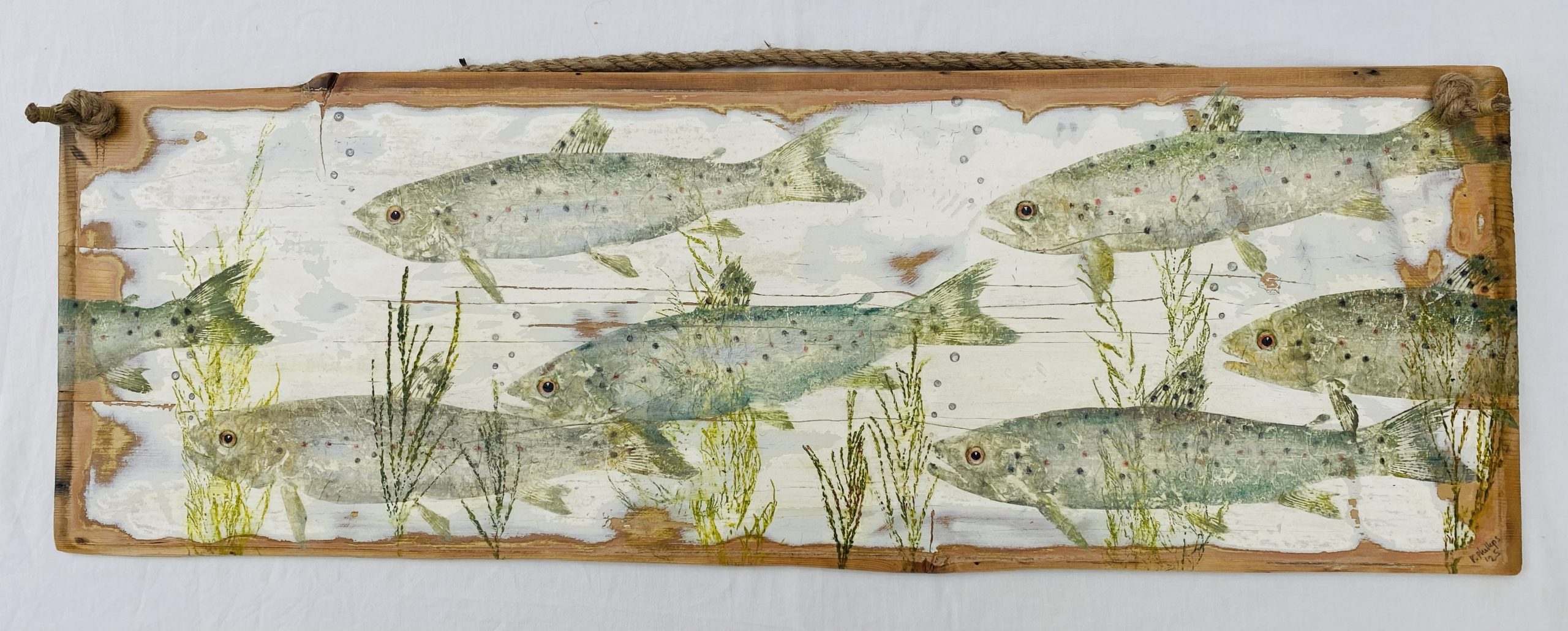
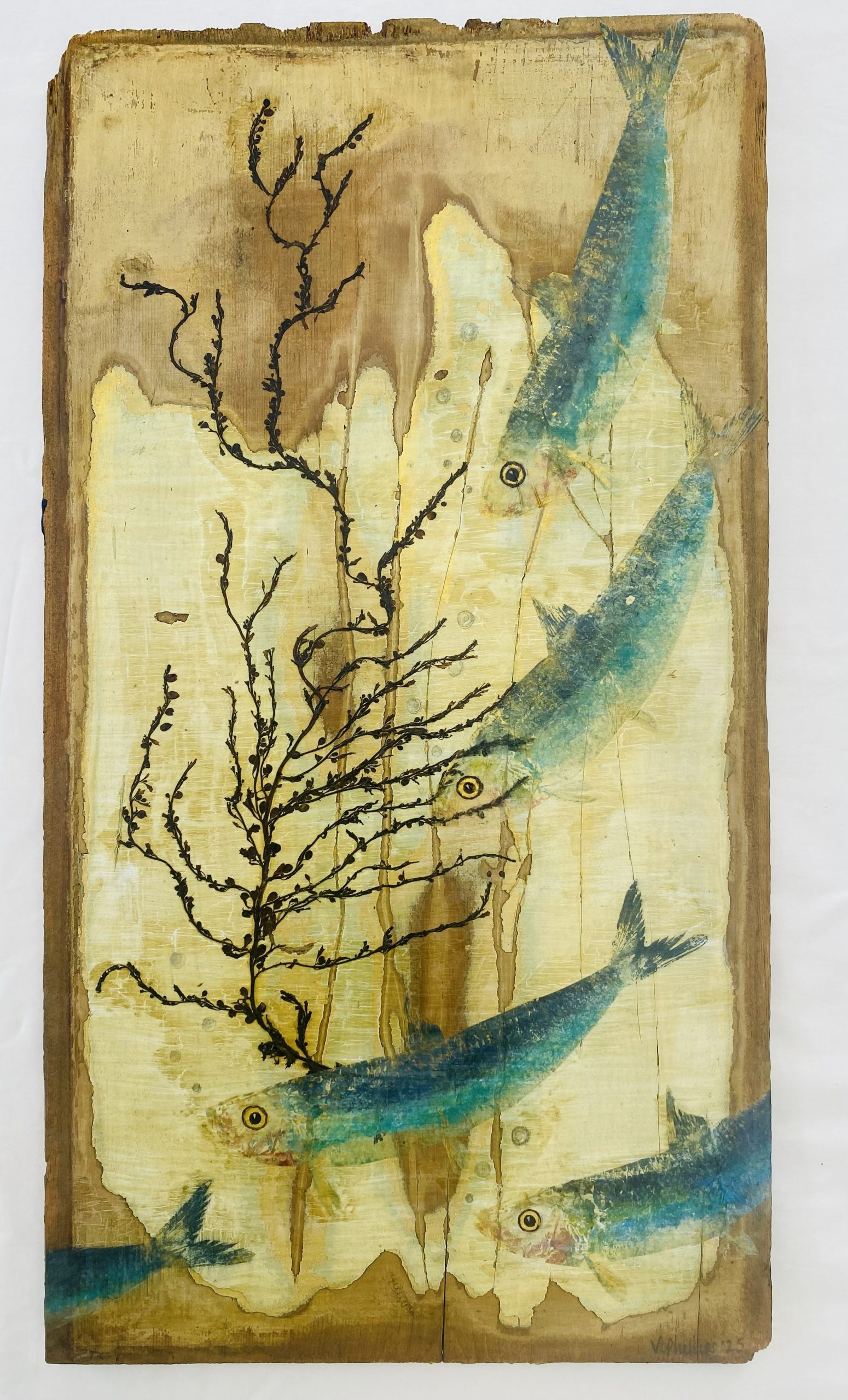
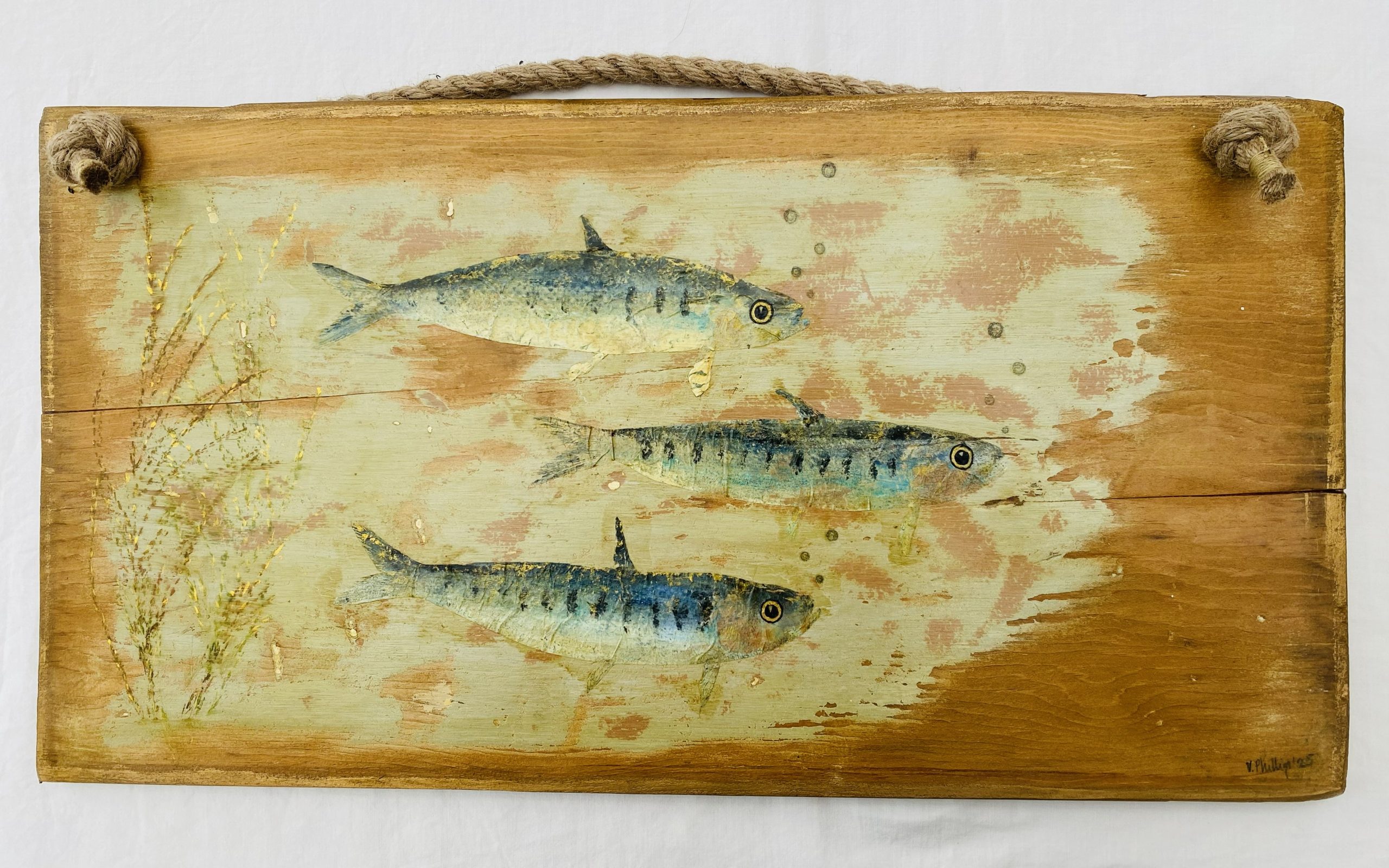
Click on the images to view the full gallery.
Recent work
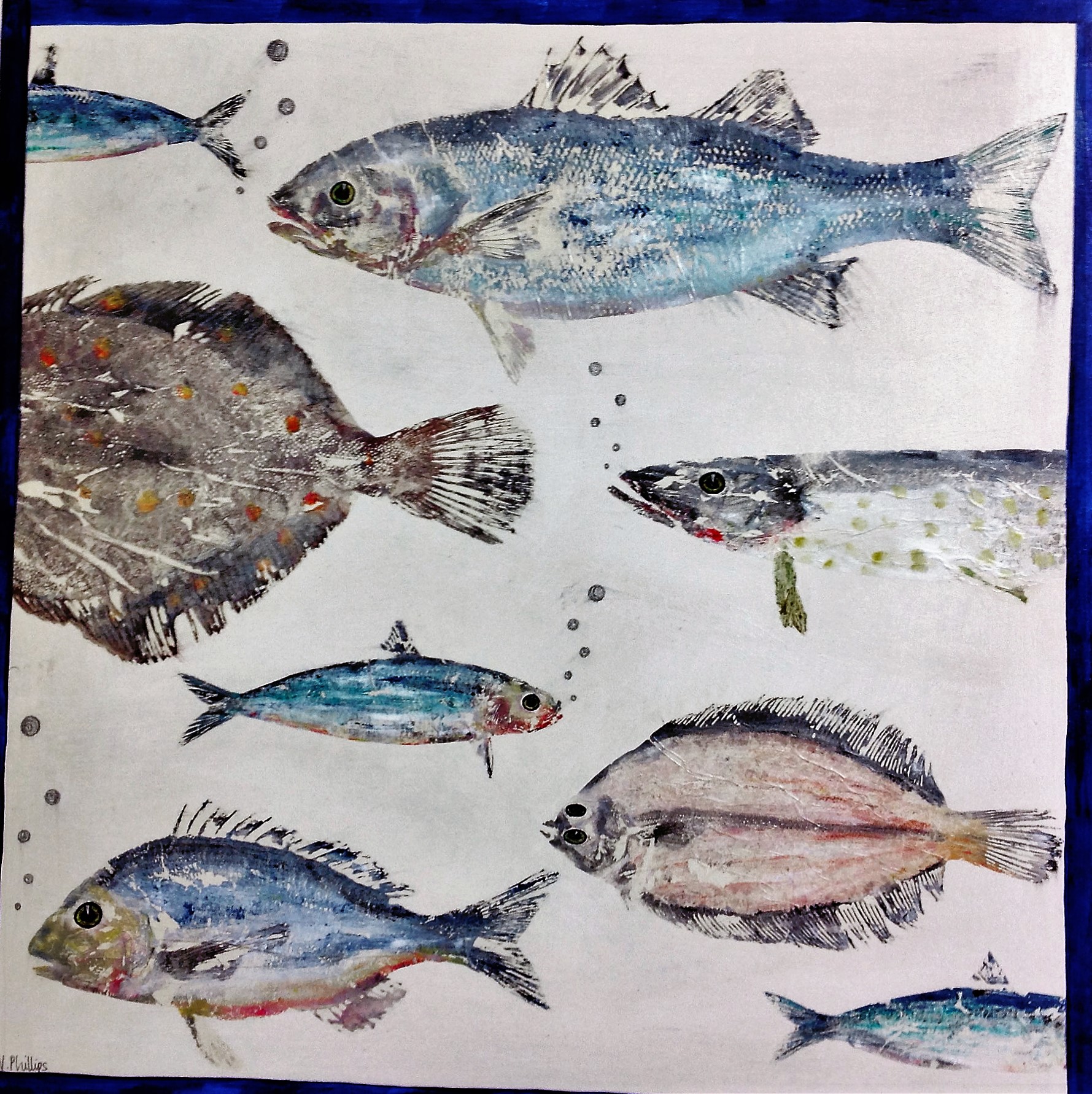
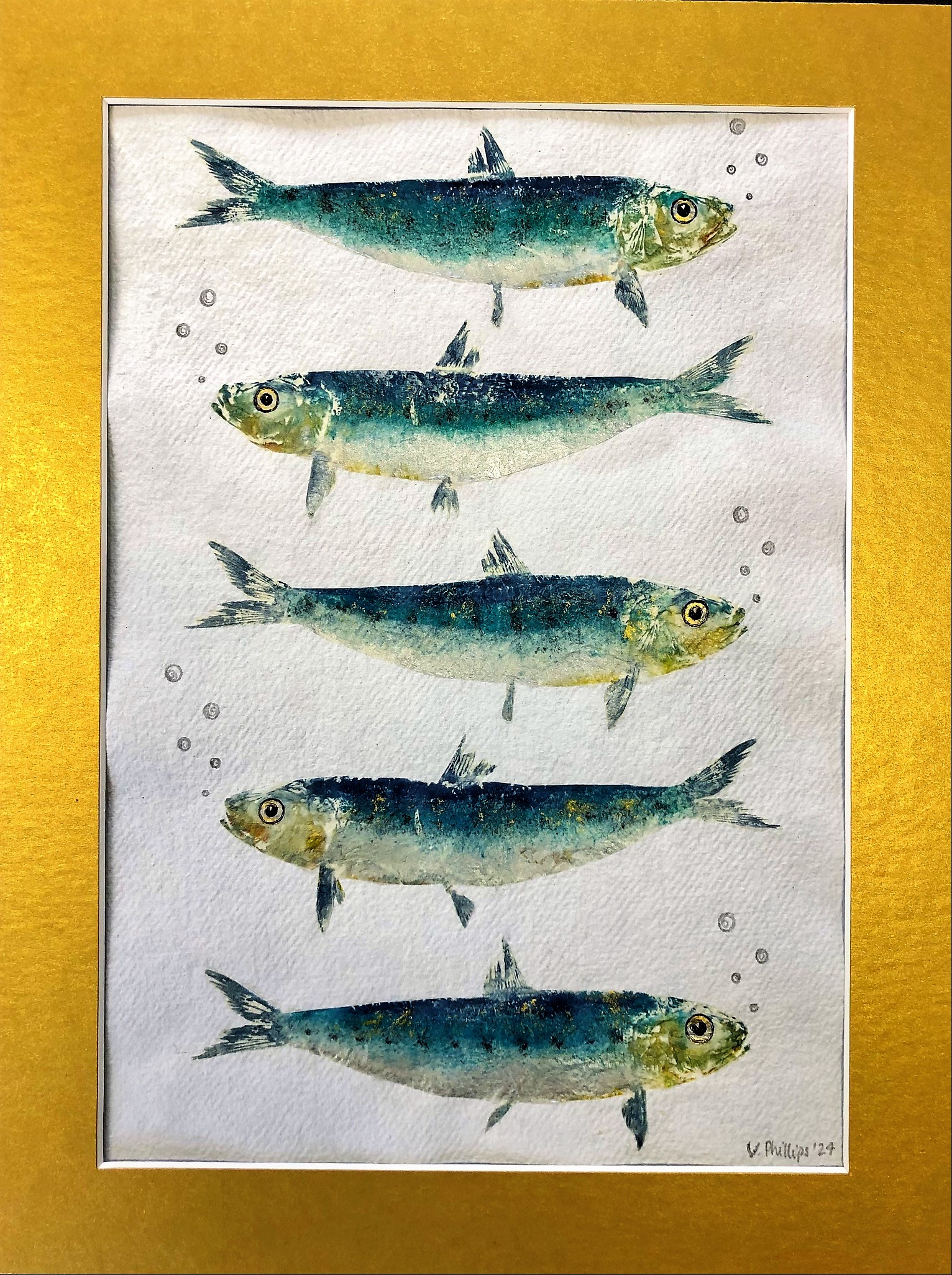
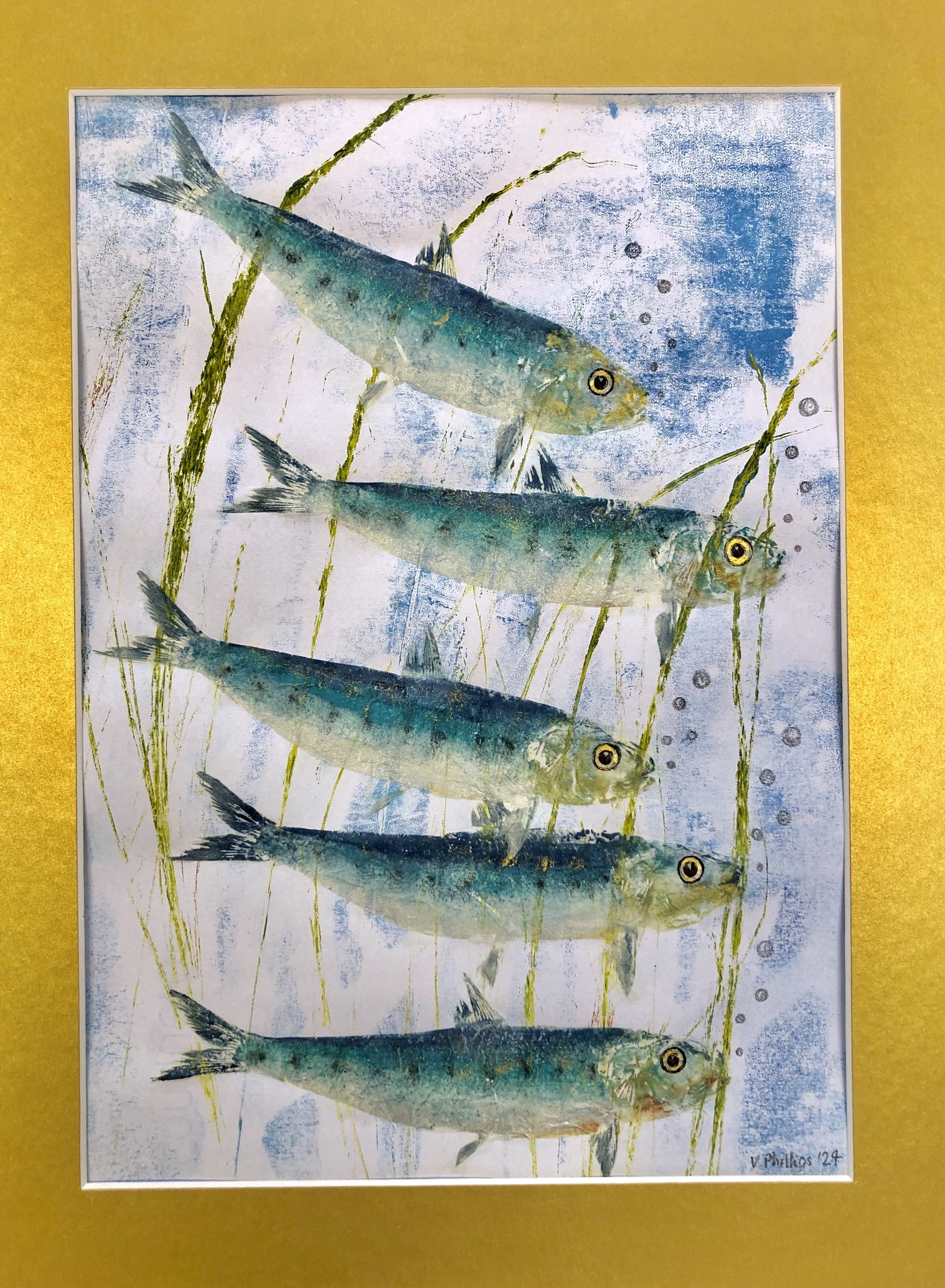
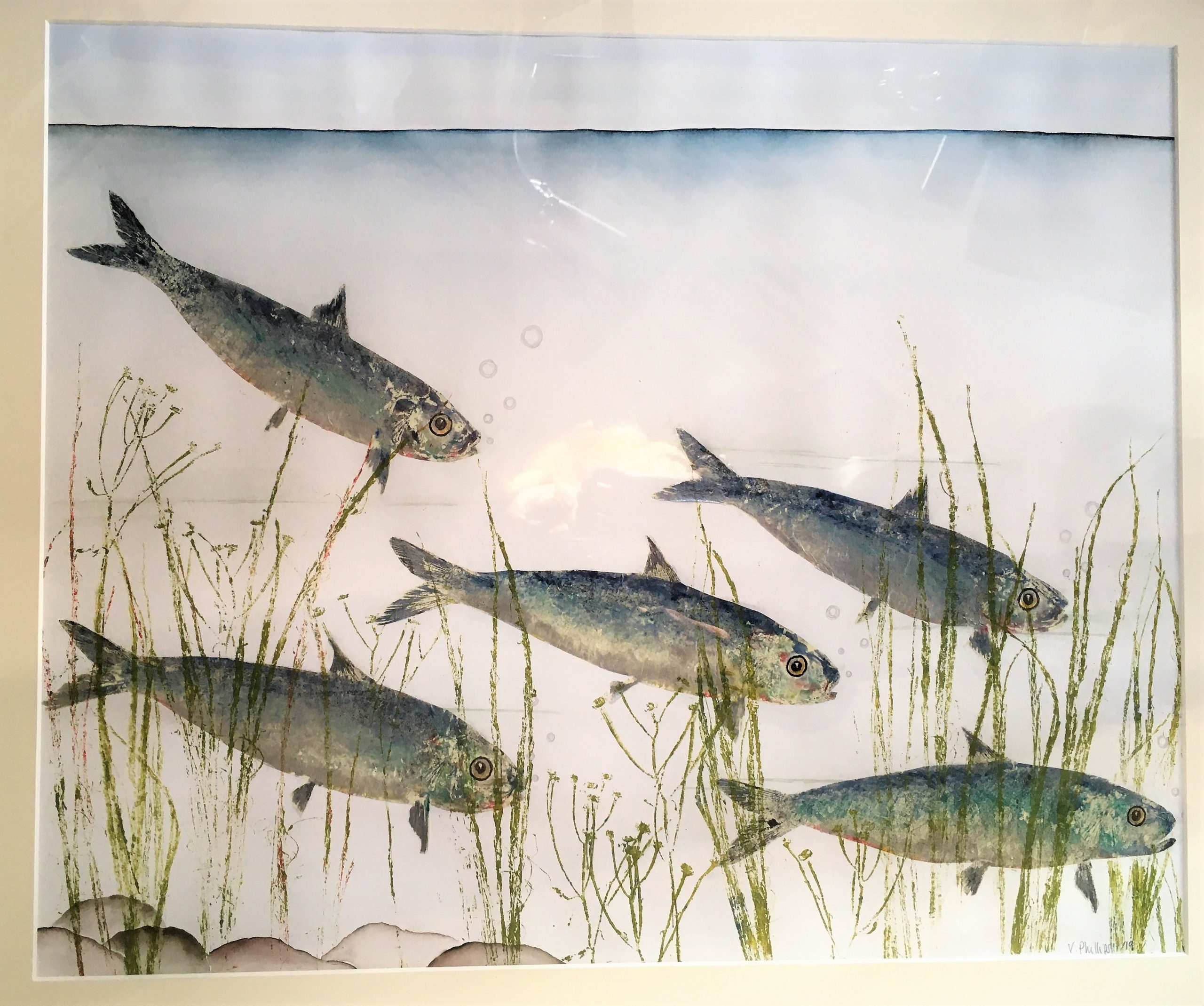
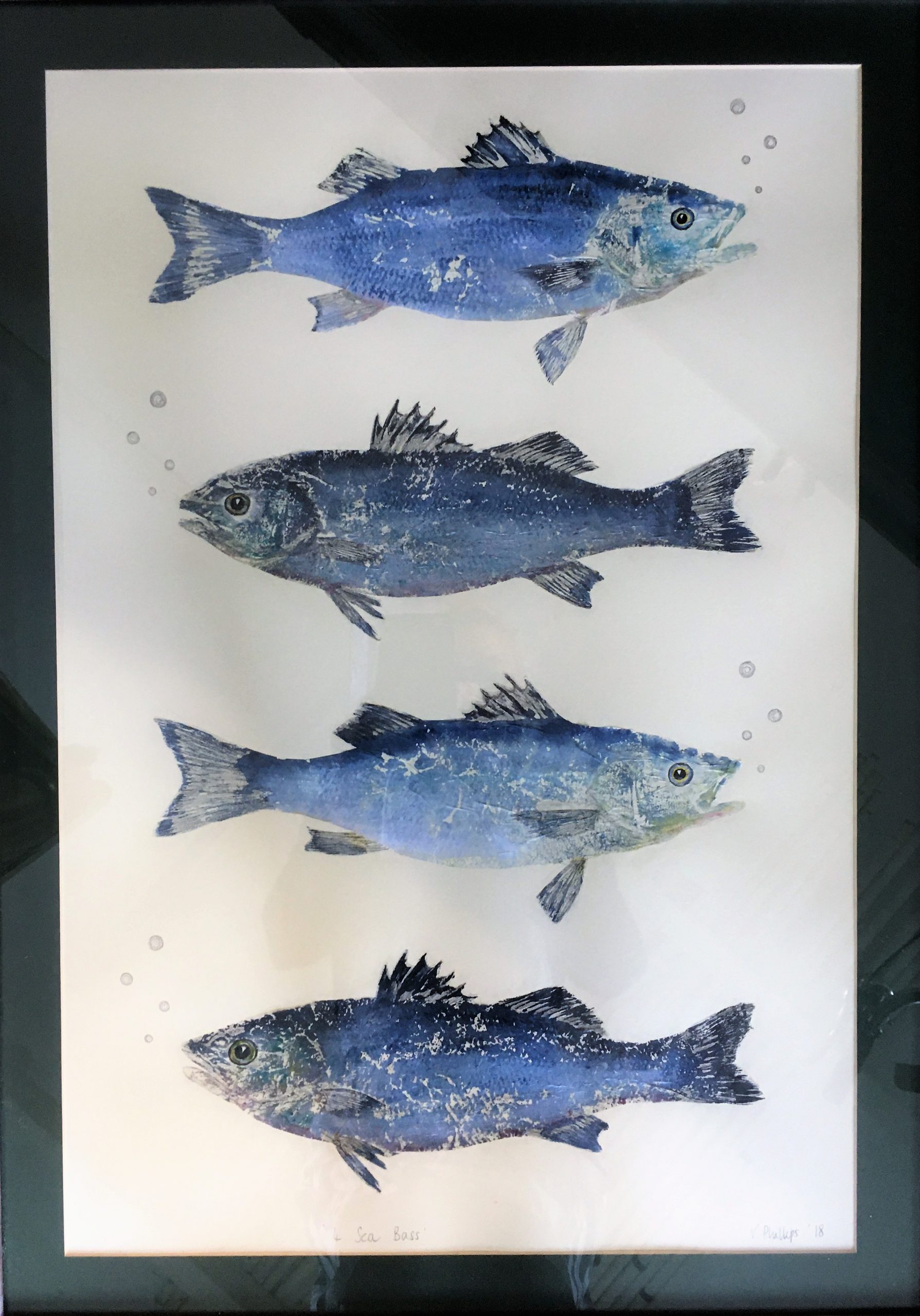
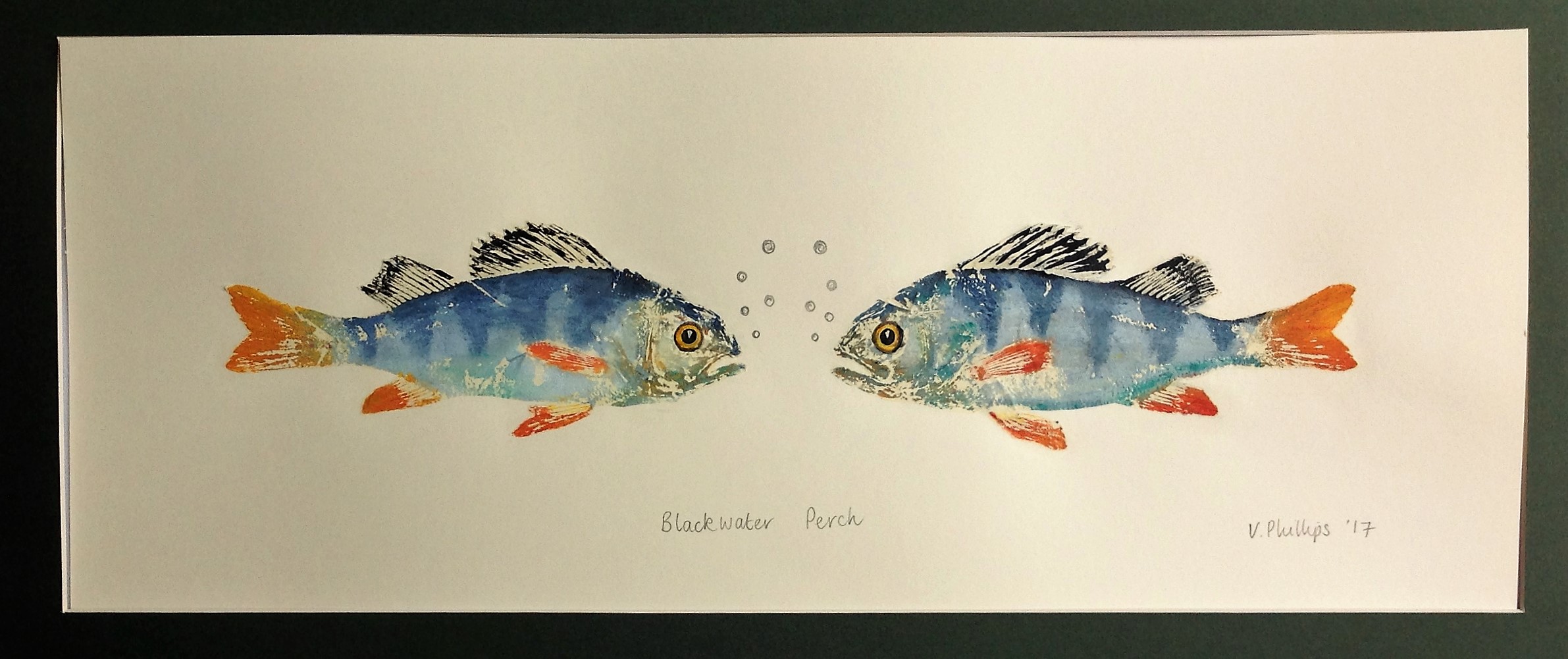
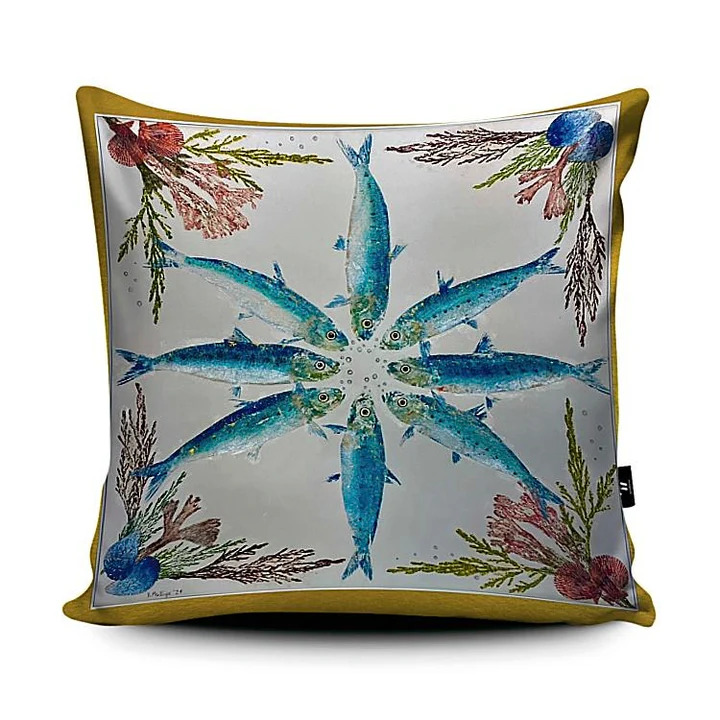
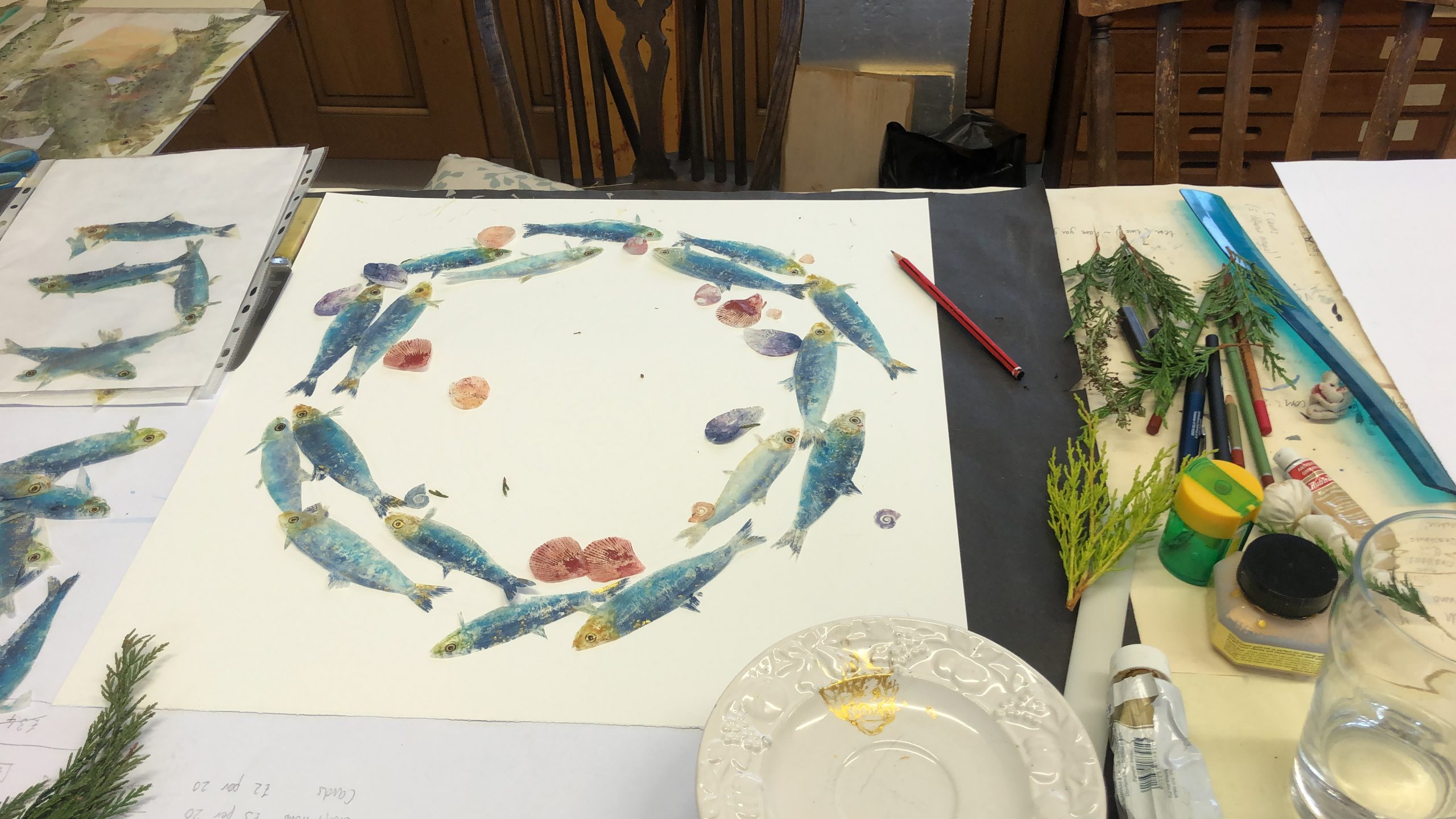
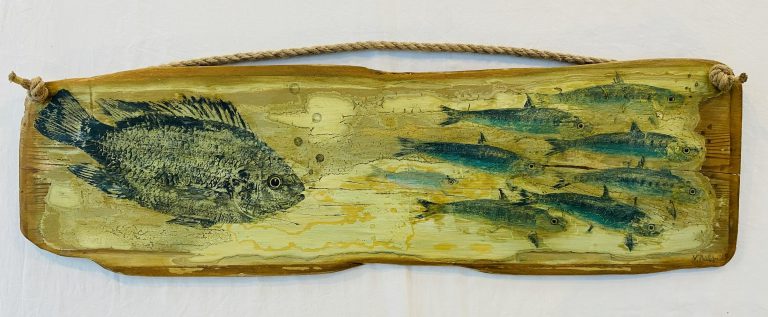
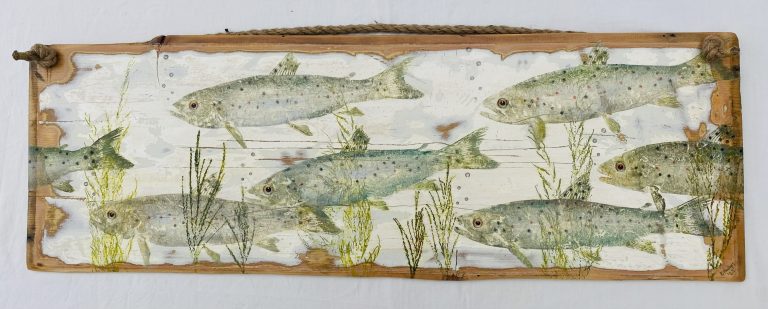
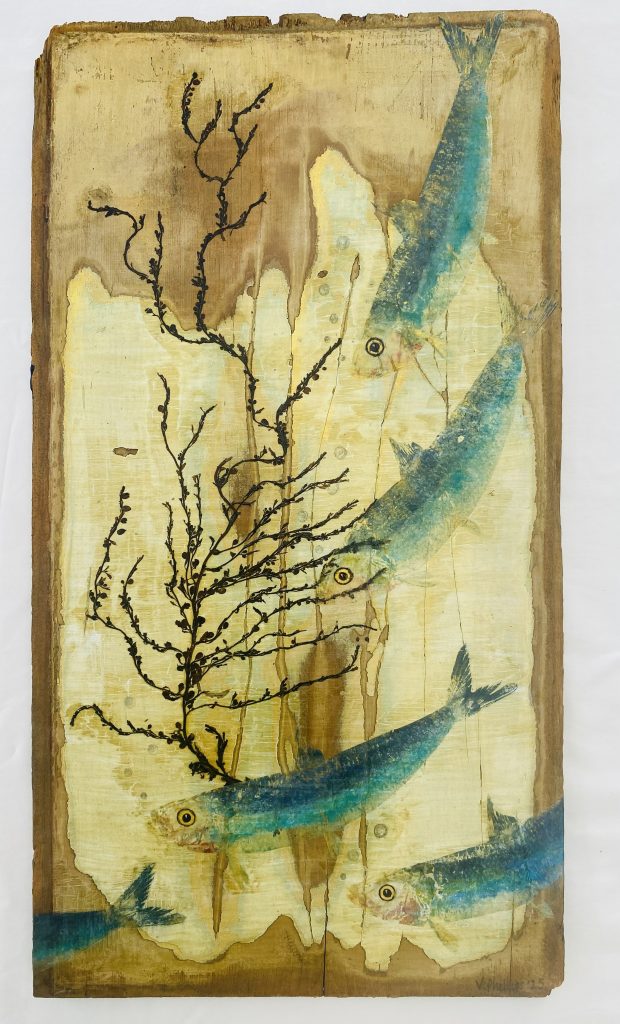
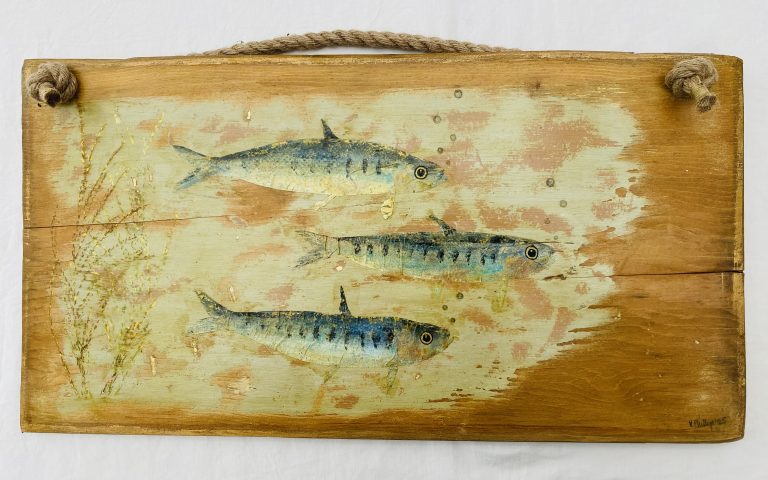
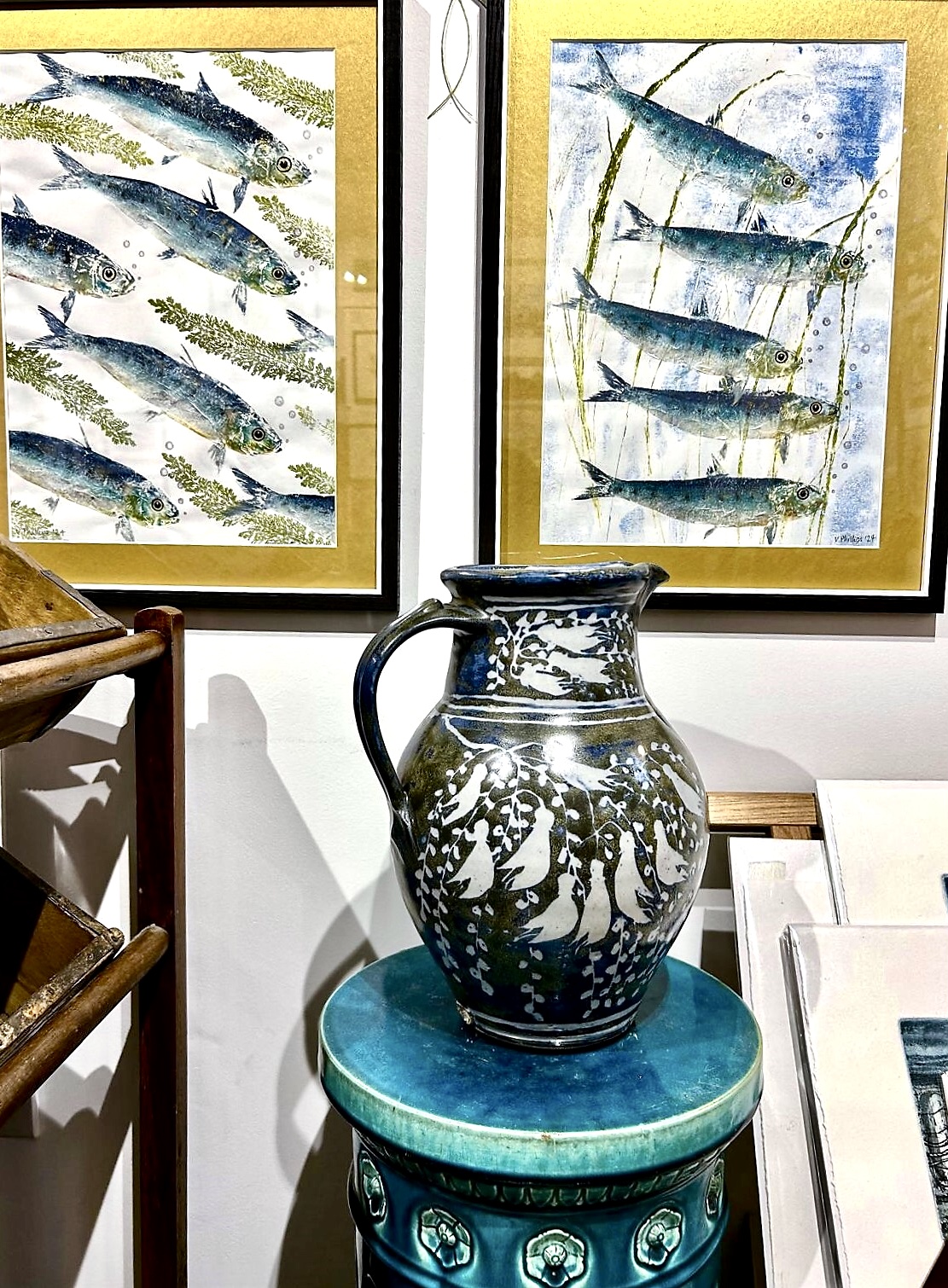
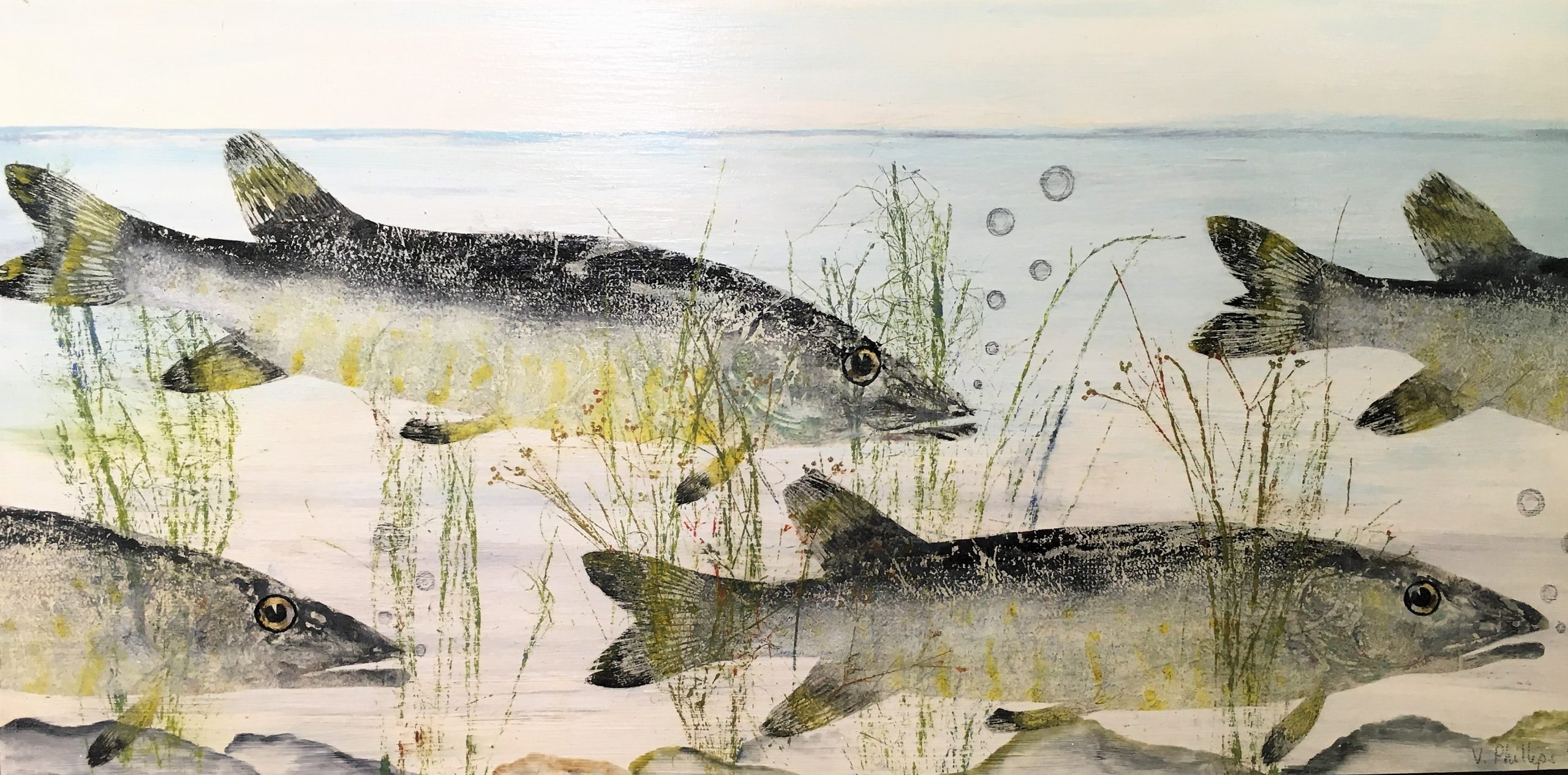
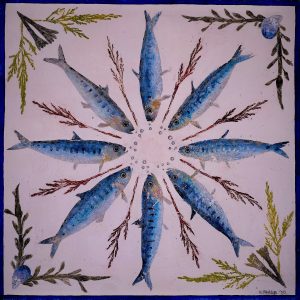
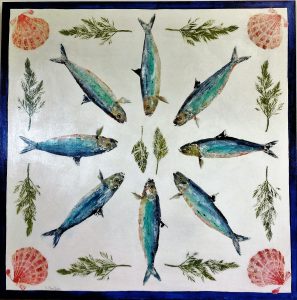
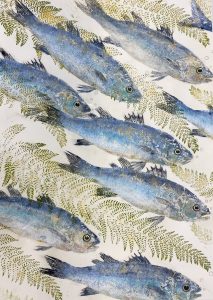
Most of my recent work has been Gyotaku, often combined with monoprint. For my monoprinted backgrounds I use plants from my garden, from the seawall and seashore, and other textures including fabrics. There are lots of examples of these in the gallery.
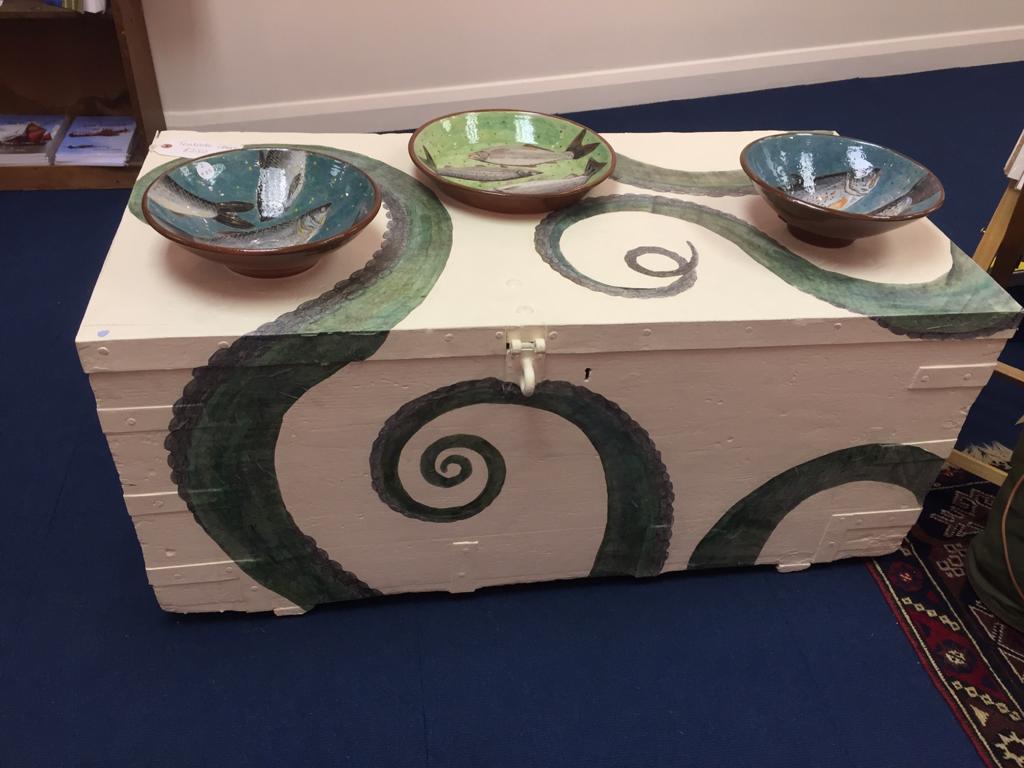
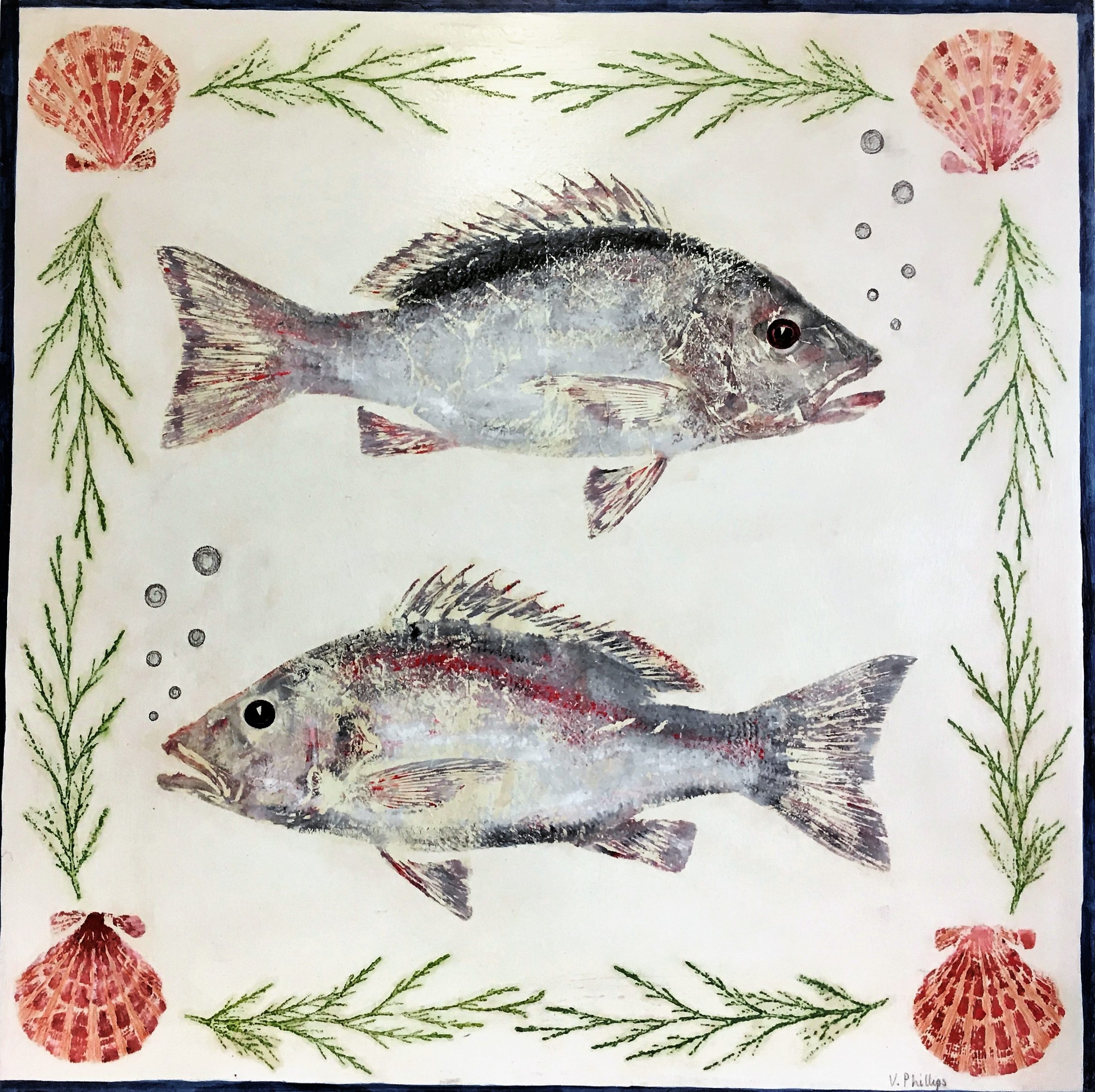
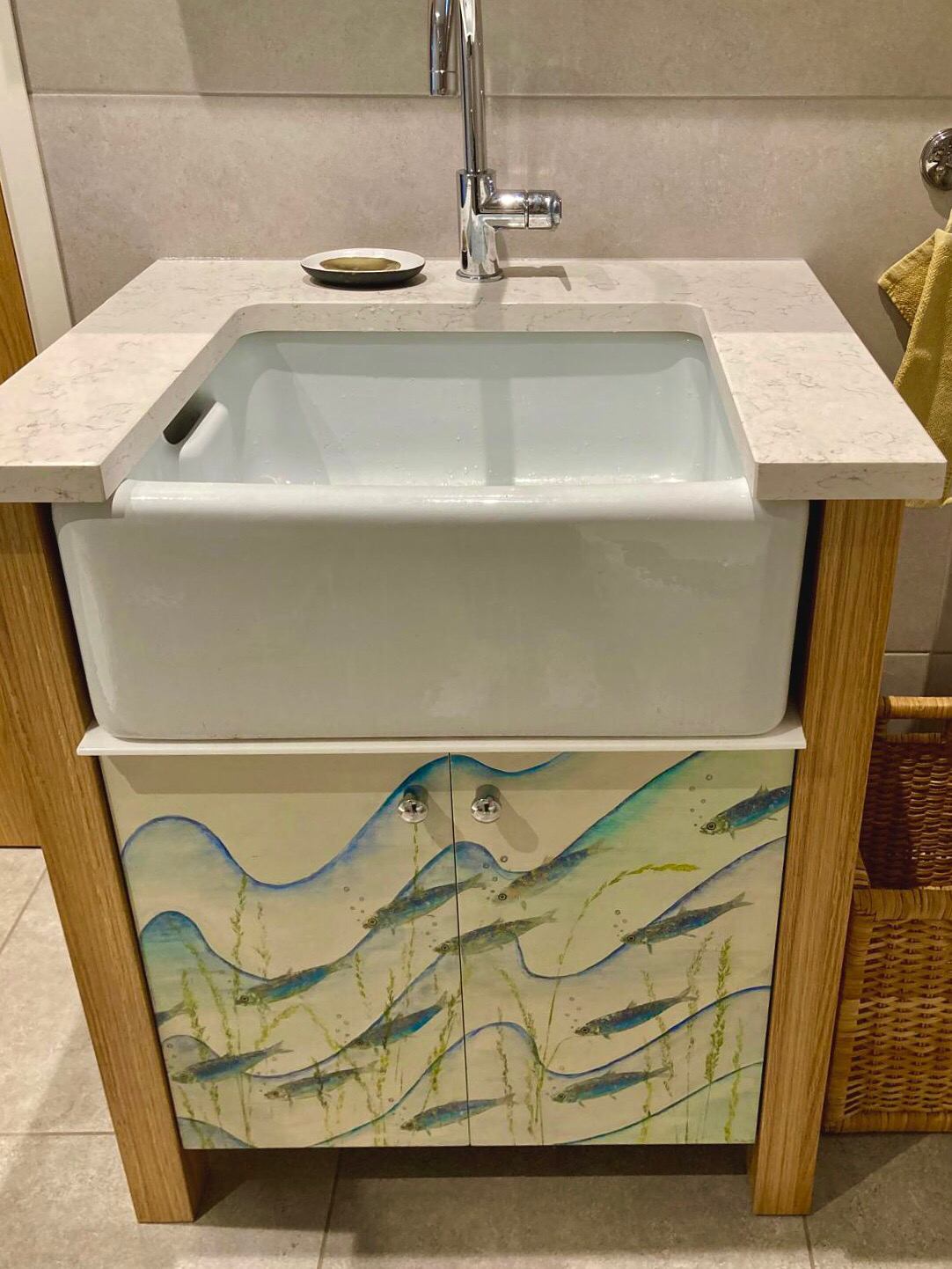
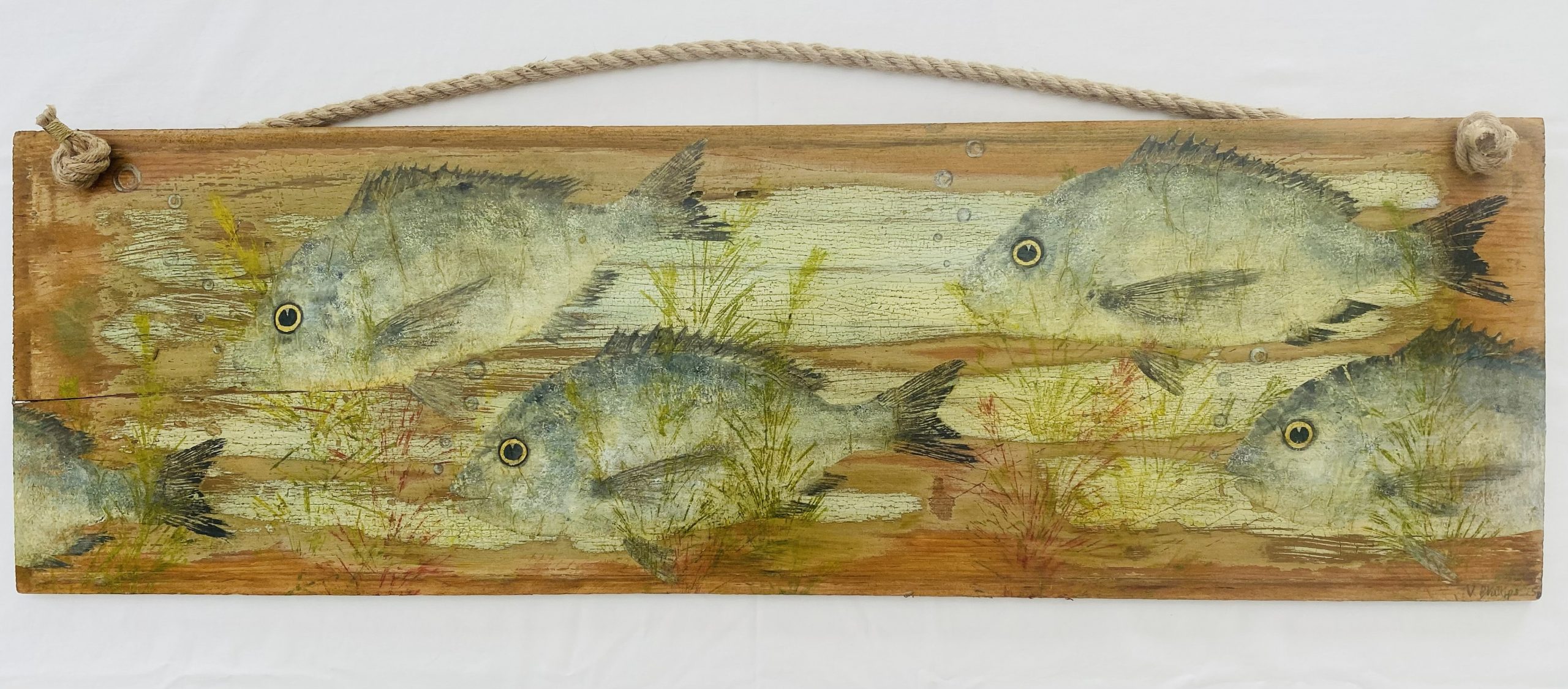
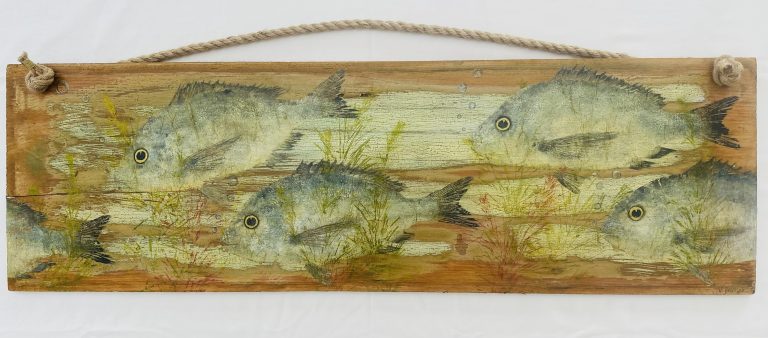
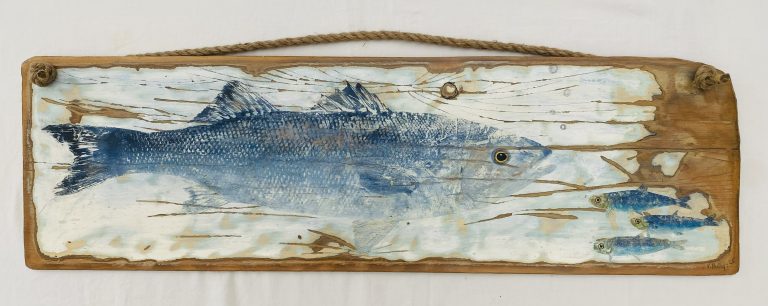
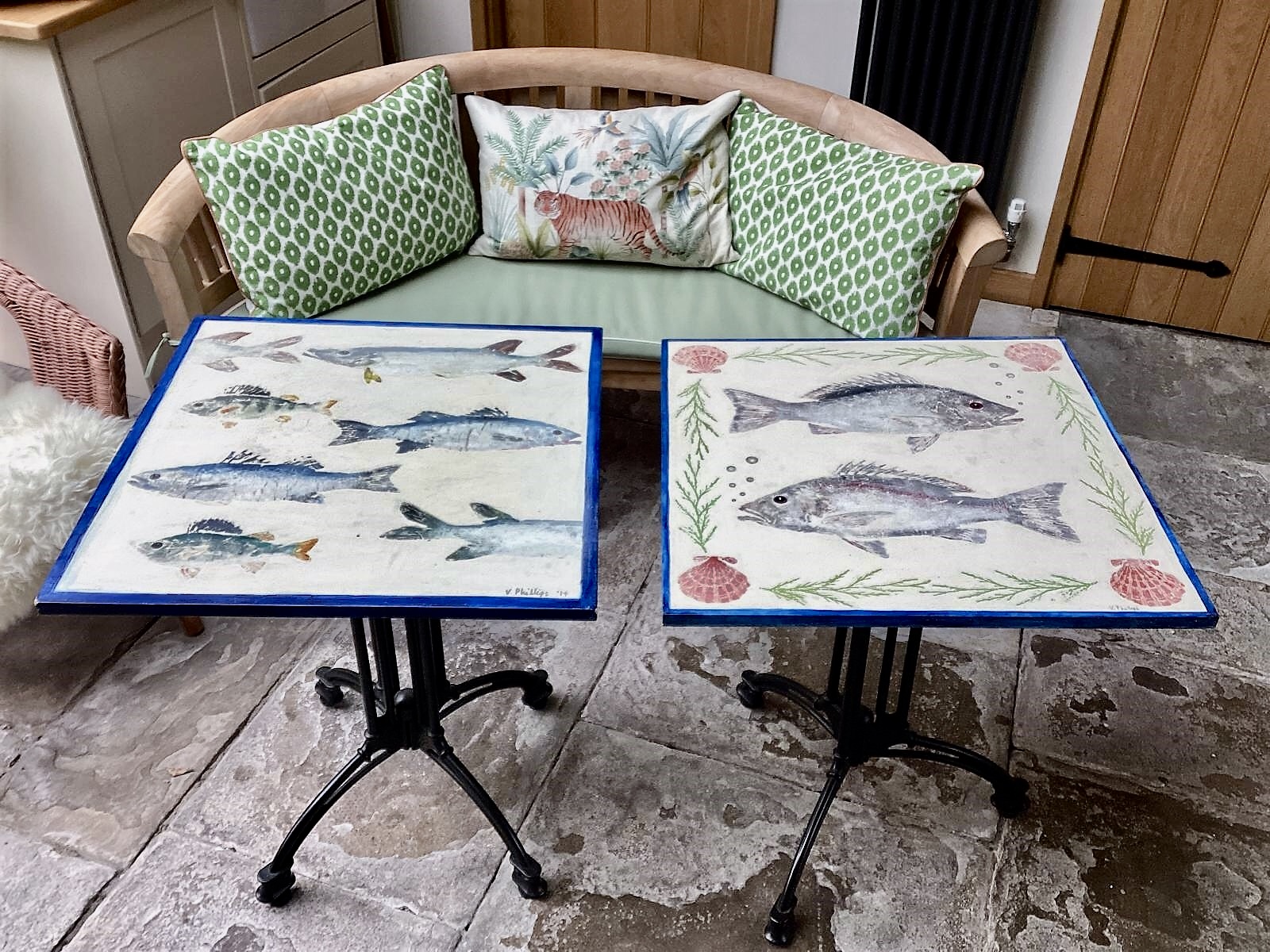
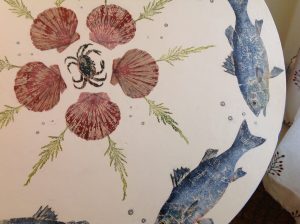
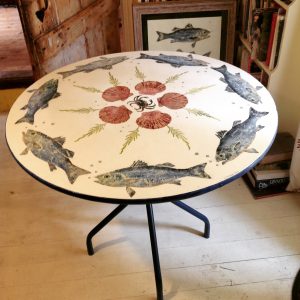
Over the last few months I've been working on old pine panels. Once sanded down (thank you Nick) the remaining layers of paint and wood grain then become an integral part of the picture. Varnished with Antique Oak/Pine varnish they have a lovely weathered look.
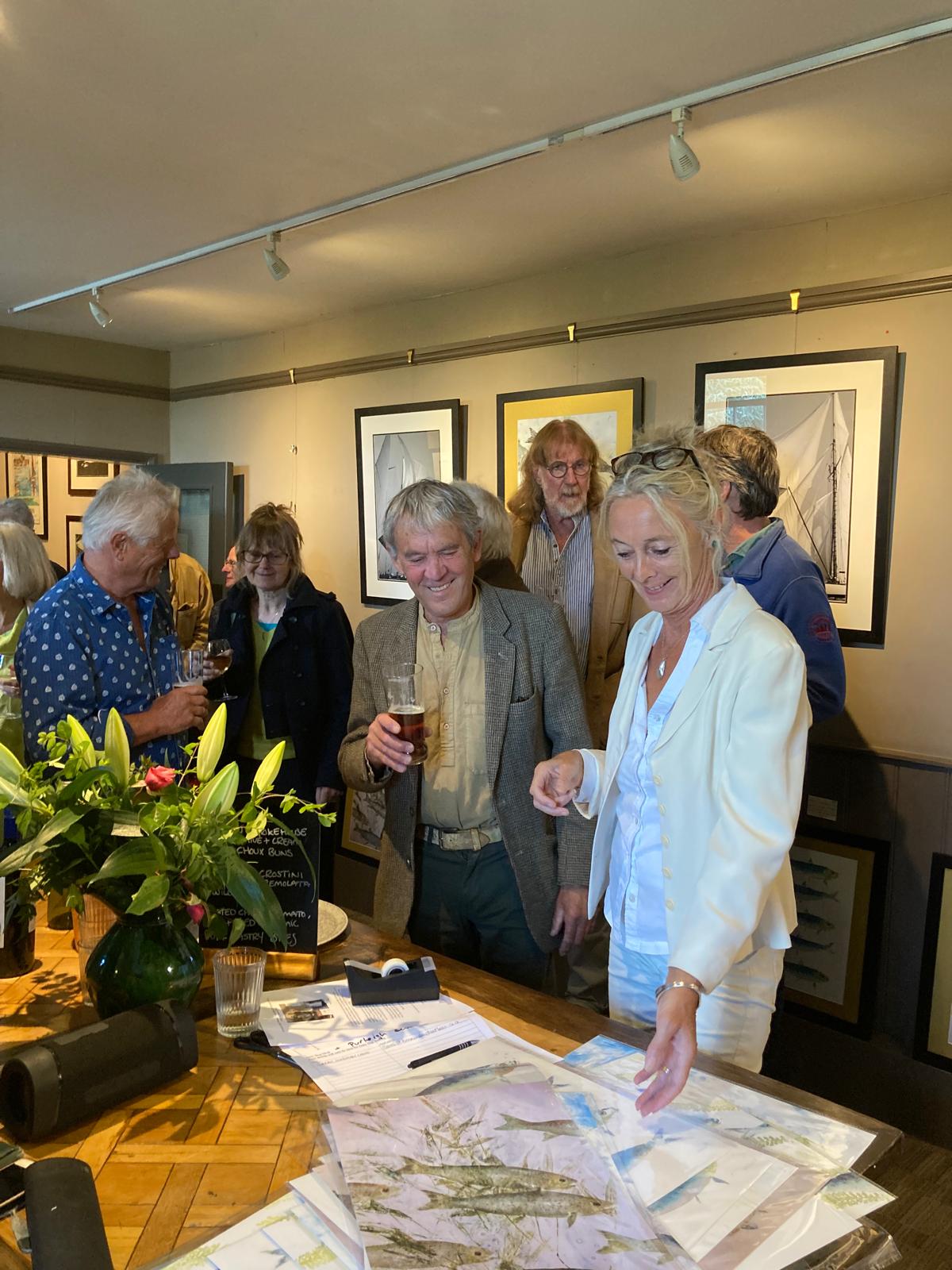
Come along to Salty Dogs winter pop up shop , 4 Edwards Walk, Maldon, where these are currently on display/availble to purchase
(or contact me directly via the tab at the top of the homepage).
Over the last few months I've been working on old pine panels. Once sanded down (thank you Nick) the remaining layers of paint and wood grain then become an integral part of the picture. Varnished with Antique Oak/Pine varnish they have a lovely weathered look.
Come along to Salty Dogs winter pop up shop , 4 Edwards Walk, Maldon, where these are currently on display/availble to purchase
(or contact me directly via the tab at the top of the homepage).
What is Gyotaku?
Gyotaku is the ancient Japanese art of fish printing, a process in which the printing ‘plate’ is often eaten after the print is taken.
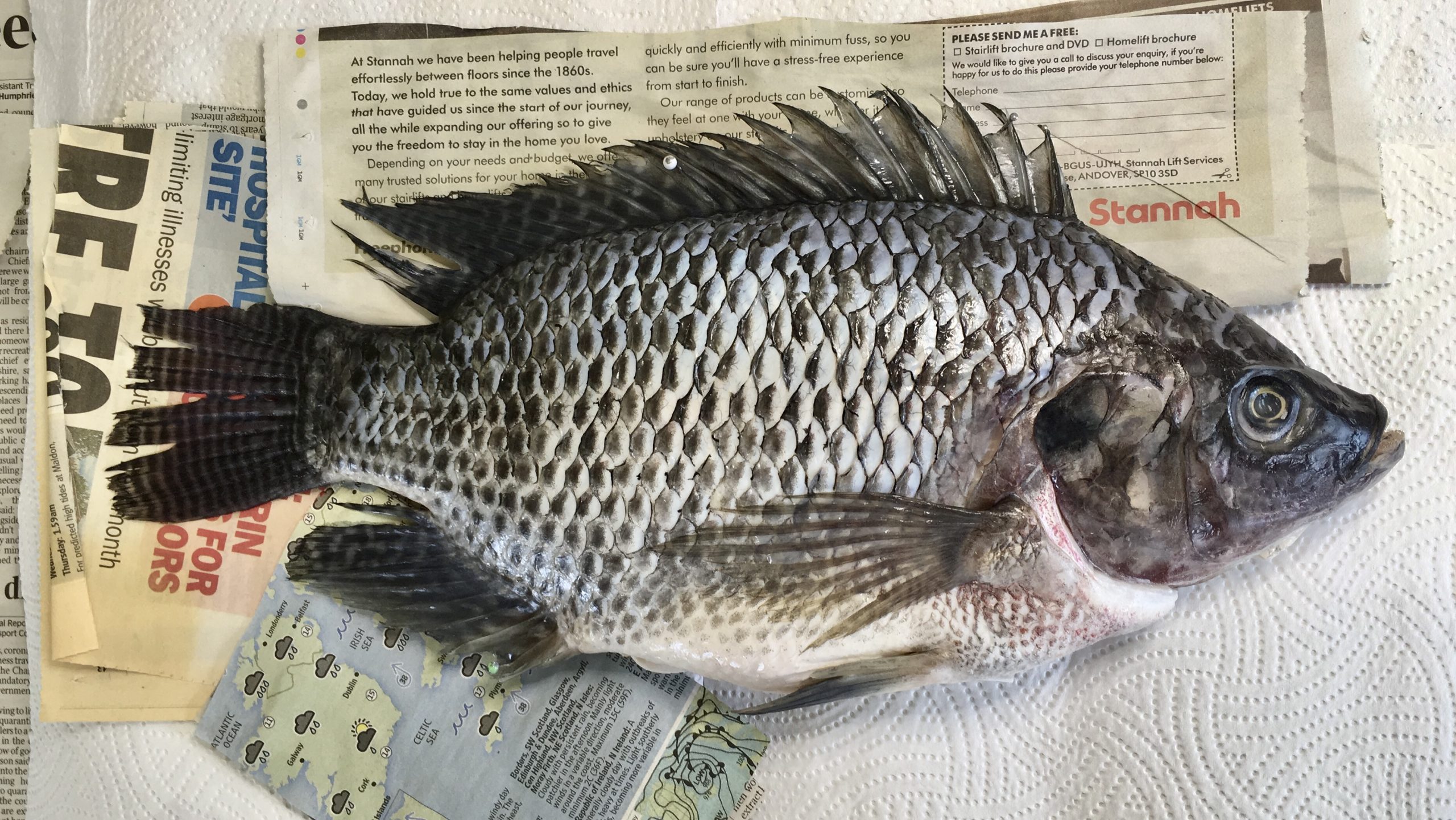
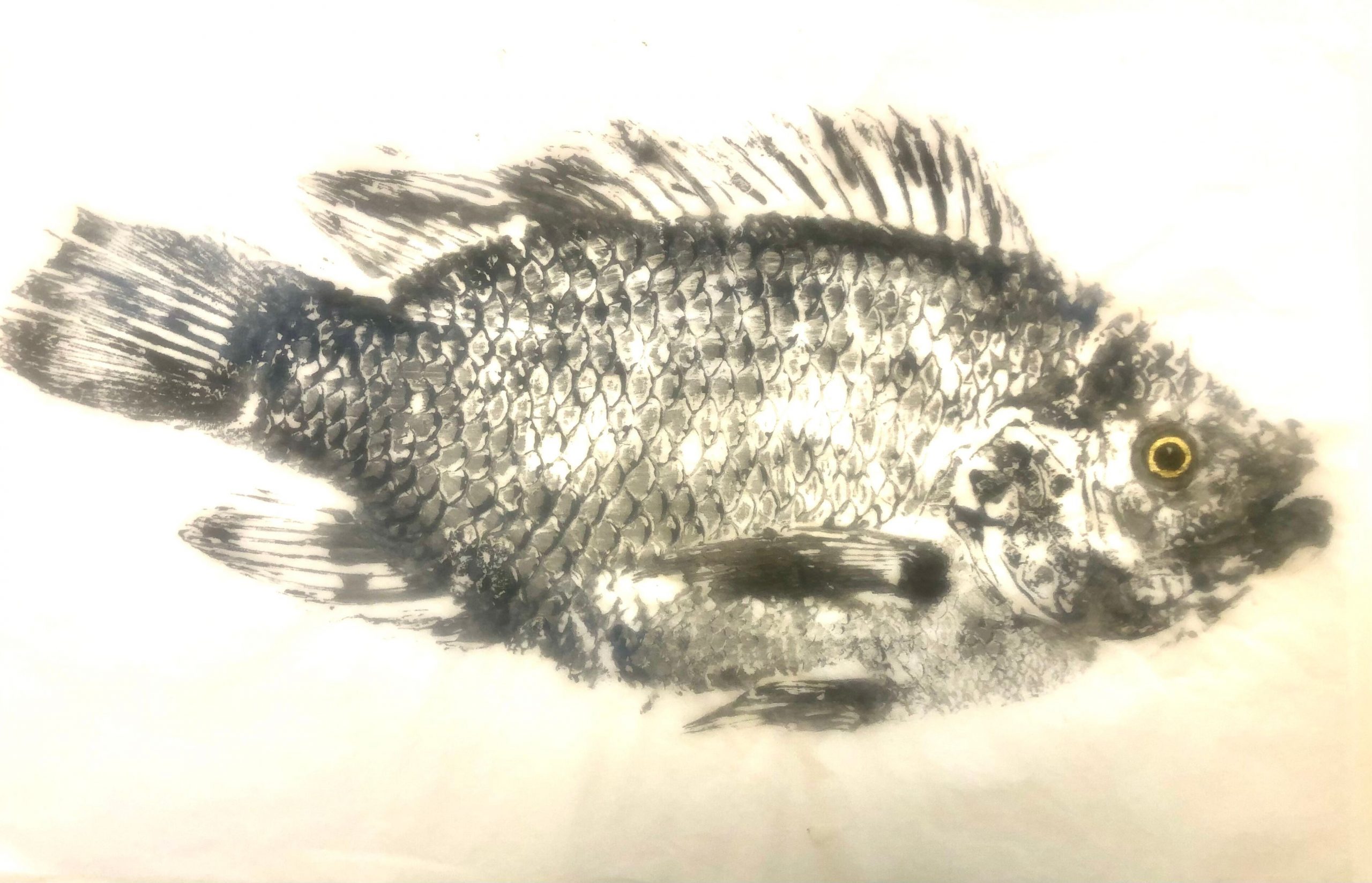
Gyotaku (Gyo
-
‘fish’, taku
-
’rubbing’)
dates back to the 1800s, before the invention of
photography, when Japanese fishermen developed the process to document trophy catches
that needed to be ‘seen to be believed’. After printing the ink was washed off and the fish
was eaten.
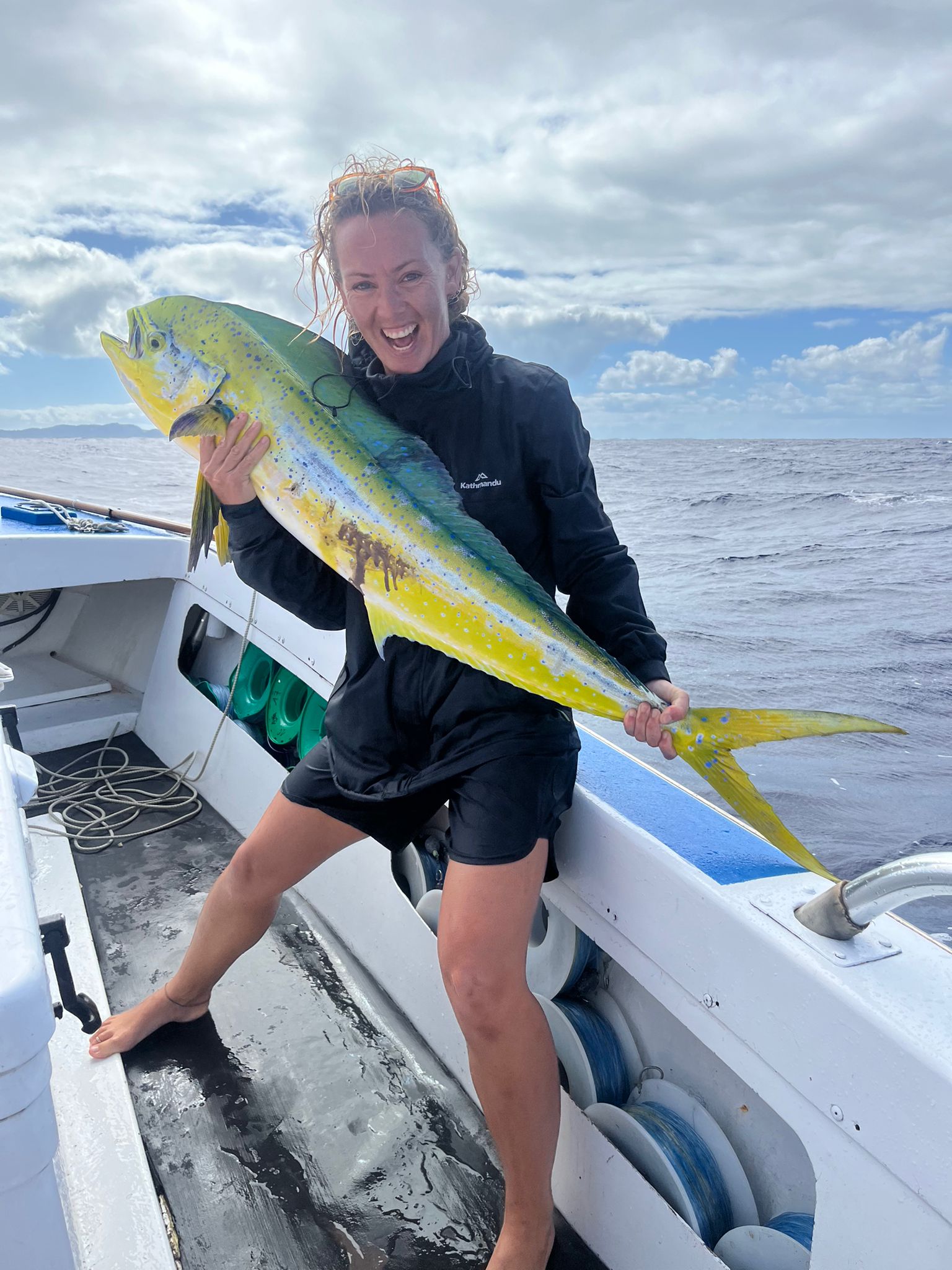
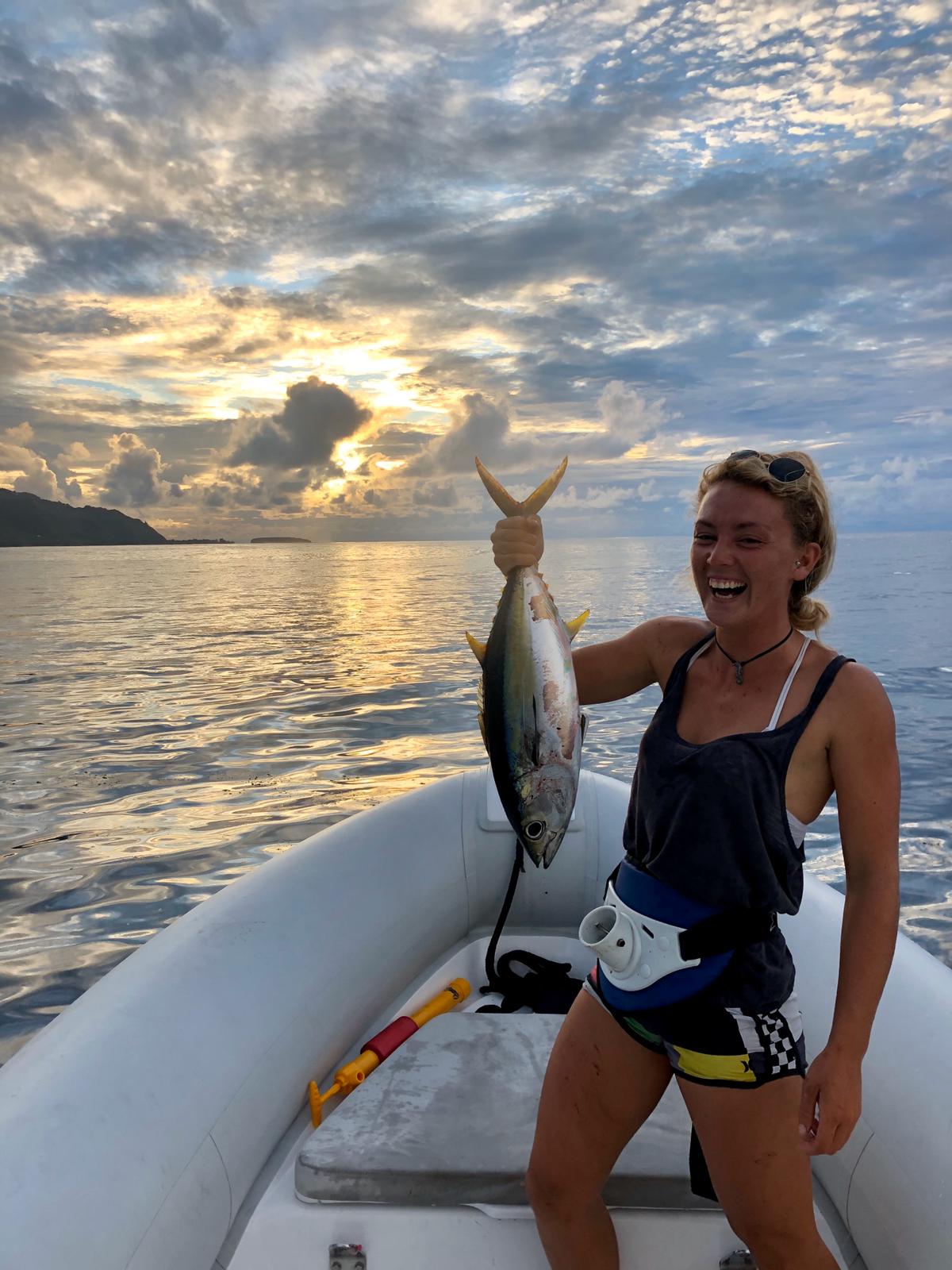
'Trophy Catch' example!
(Mahi Mahi, caught (and eaten) by Lily in Tahiti. Photography won over ink here, if only I'd been there!)
(Mahi Mahi, caught (and eaten) by Lily in Tahiti. Photography won over ink here, if only I'd been there!)
It is said that, unlike the fishermens exaggerated tales, Gyotaku never lies and it began to be
used as a tool for research and accurate scientific illustration.
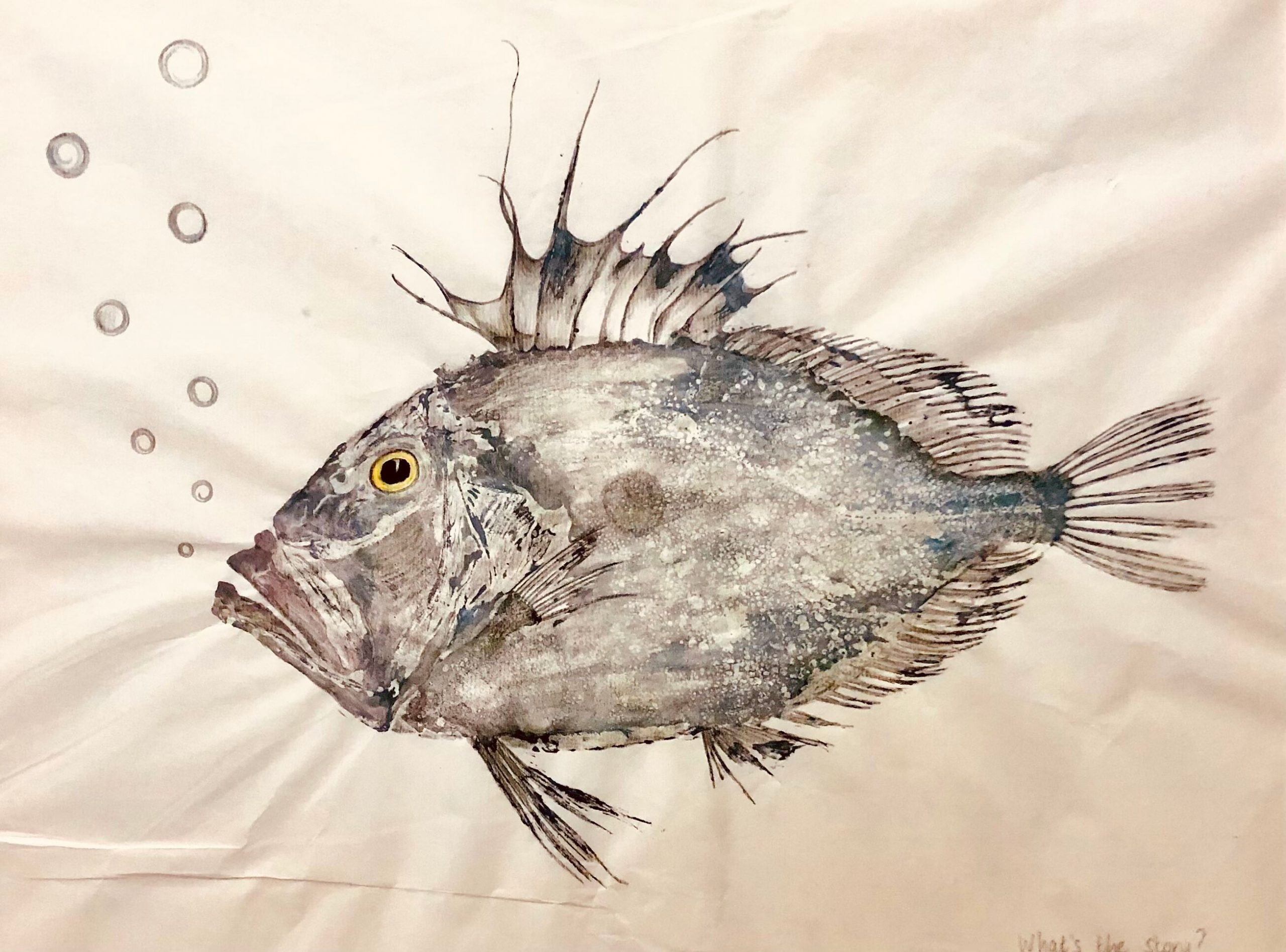
Today Gyotaku is used by artists and illustrators, by fishermen (as trophies), by marine
biologists and teachers to make aesthetically pleasing pieces and to study the biodiversity of
aquatic life.
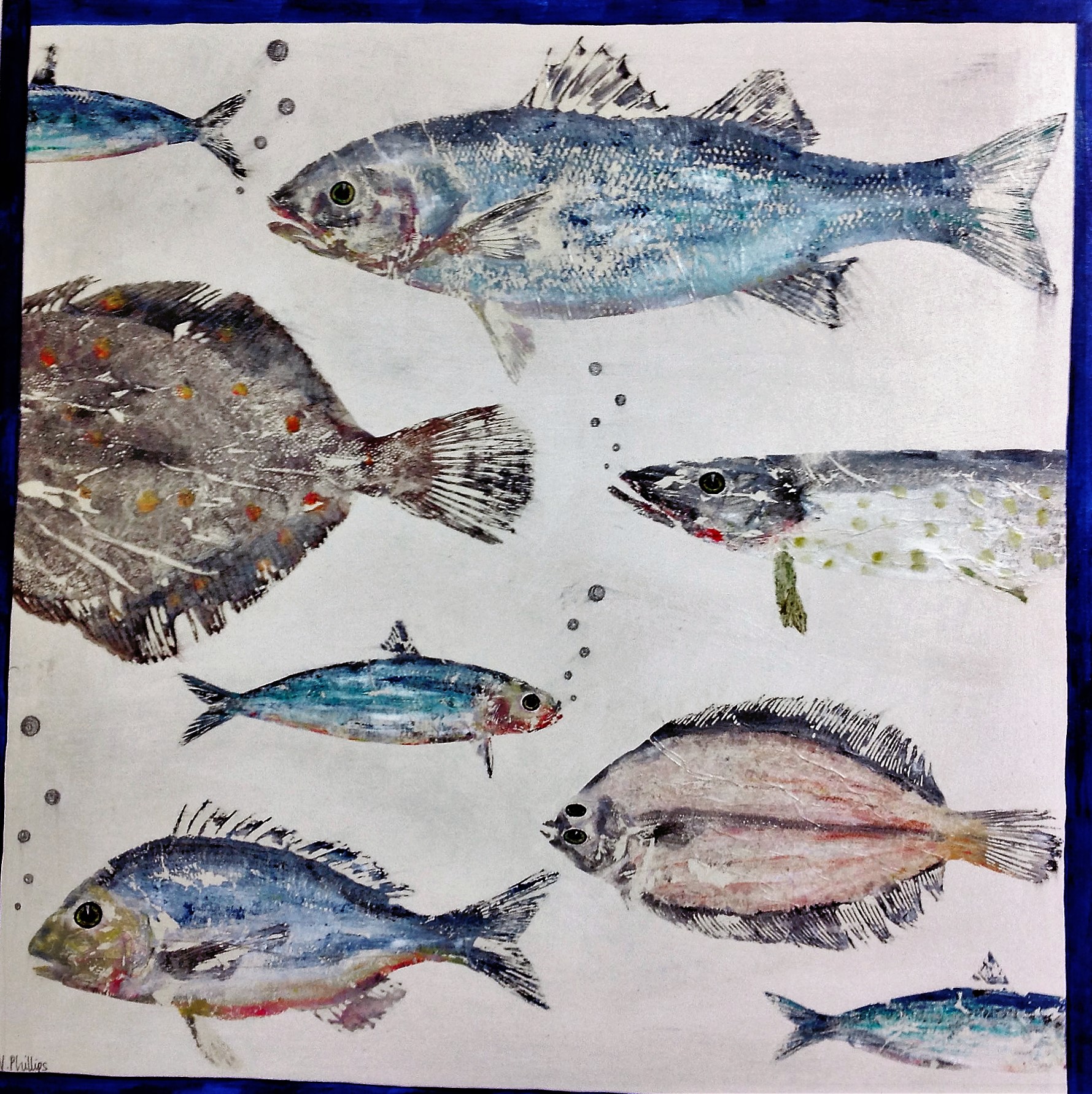
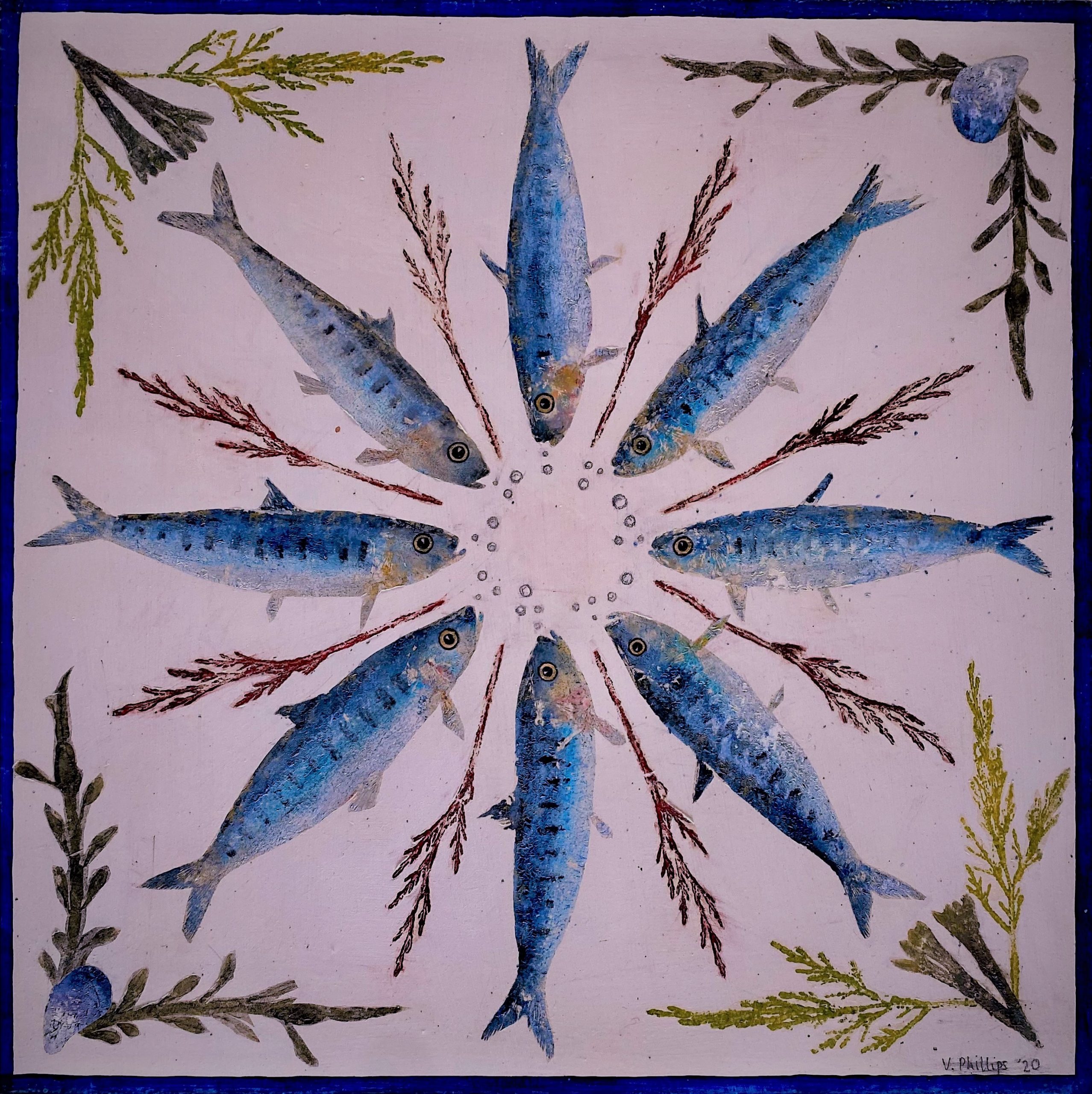
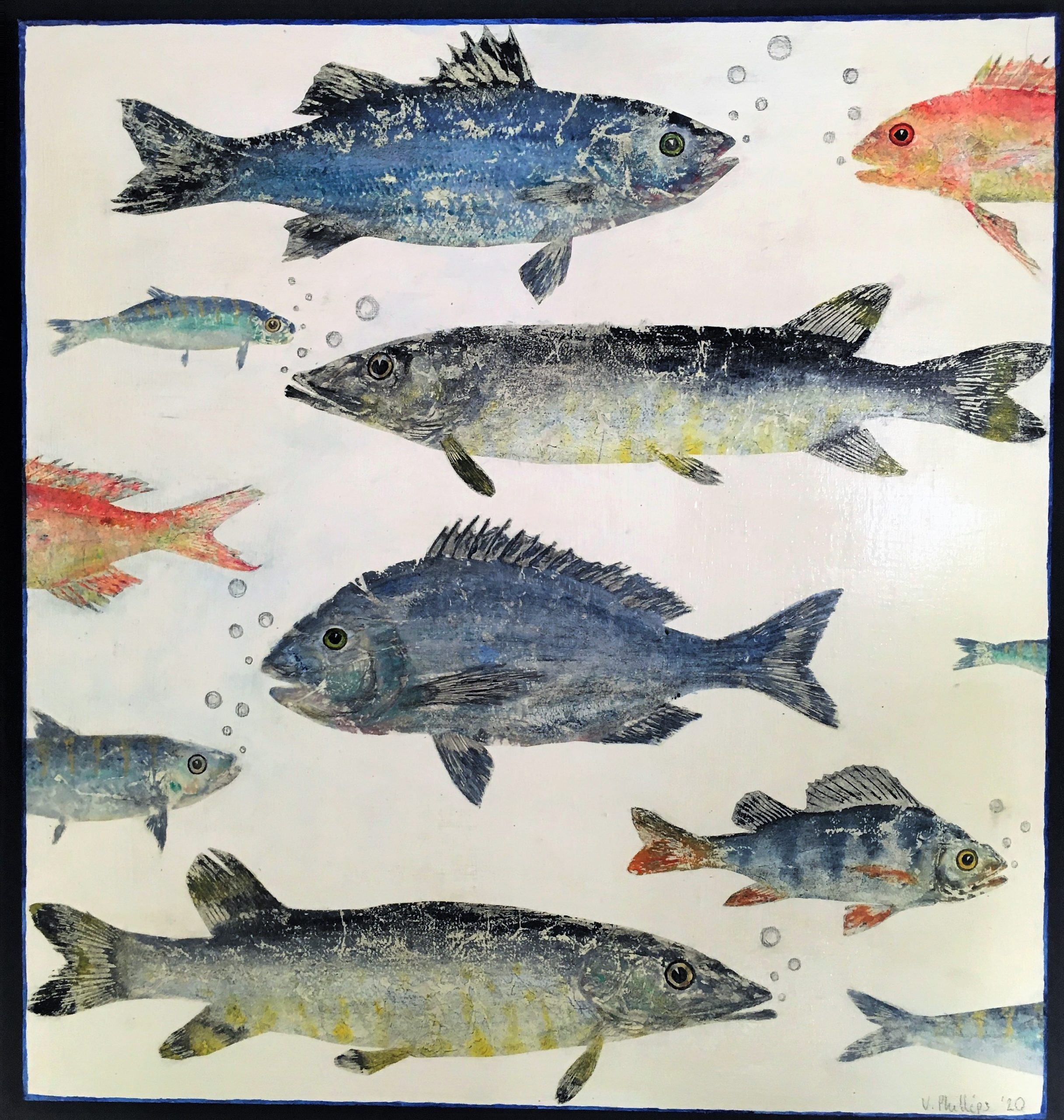
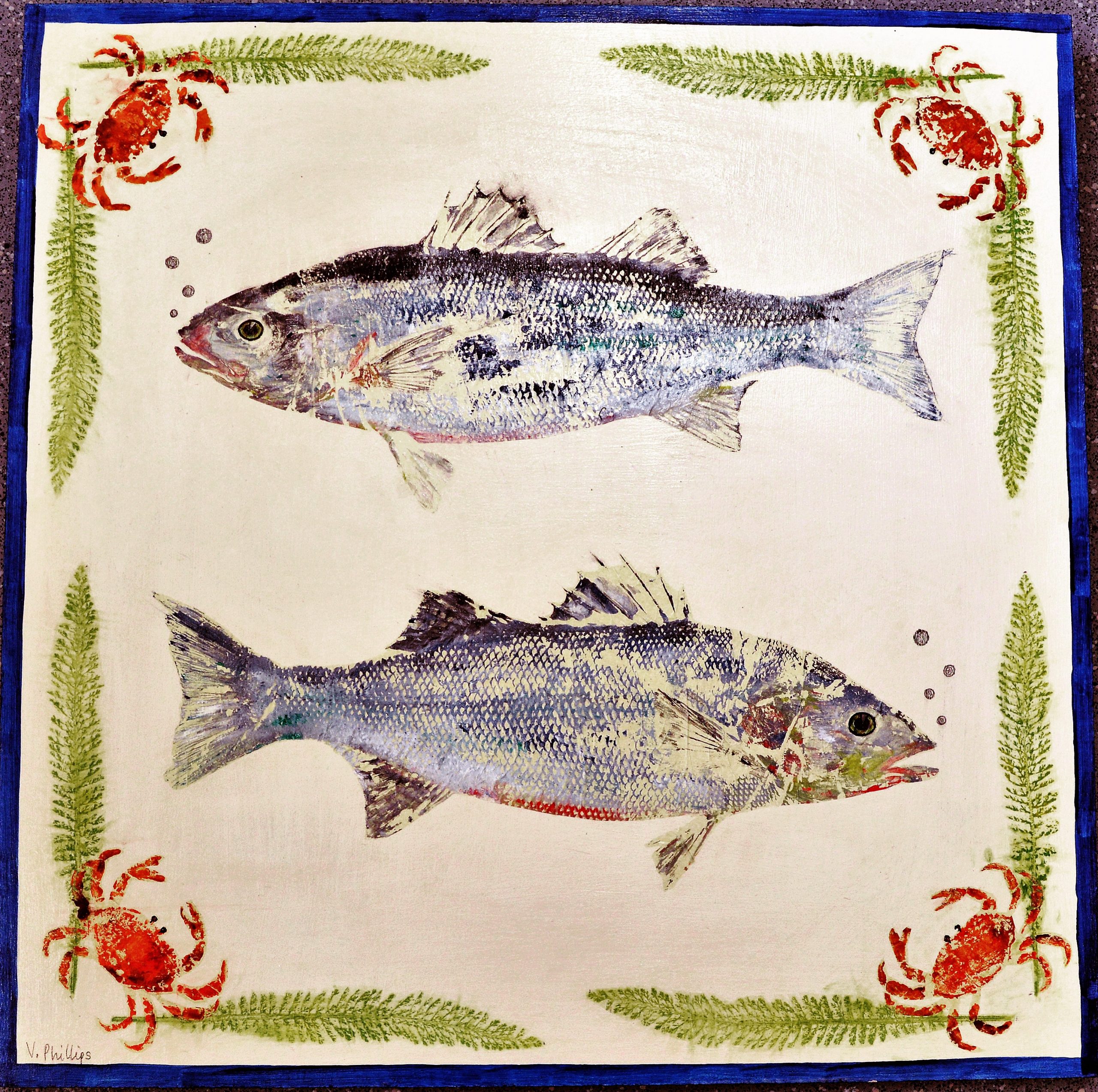
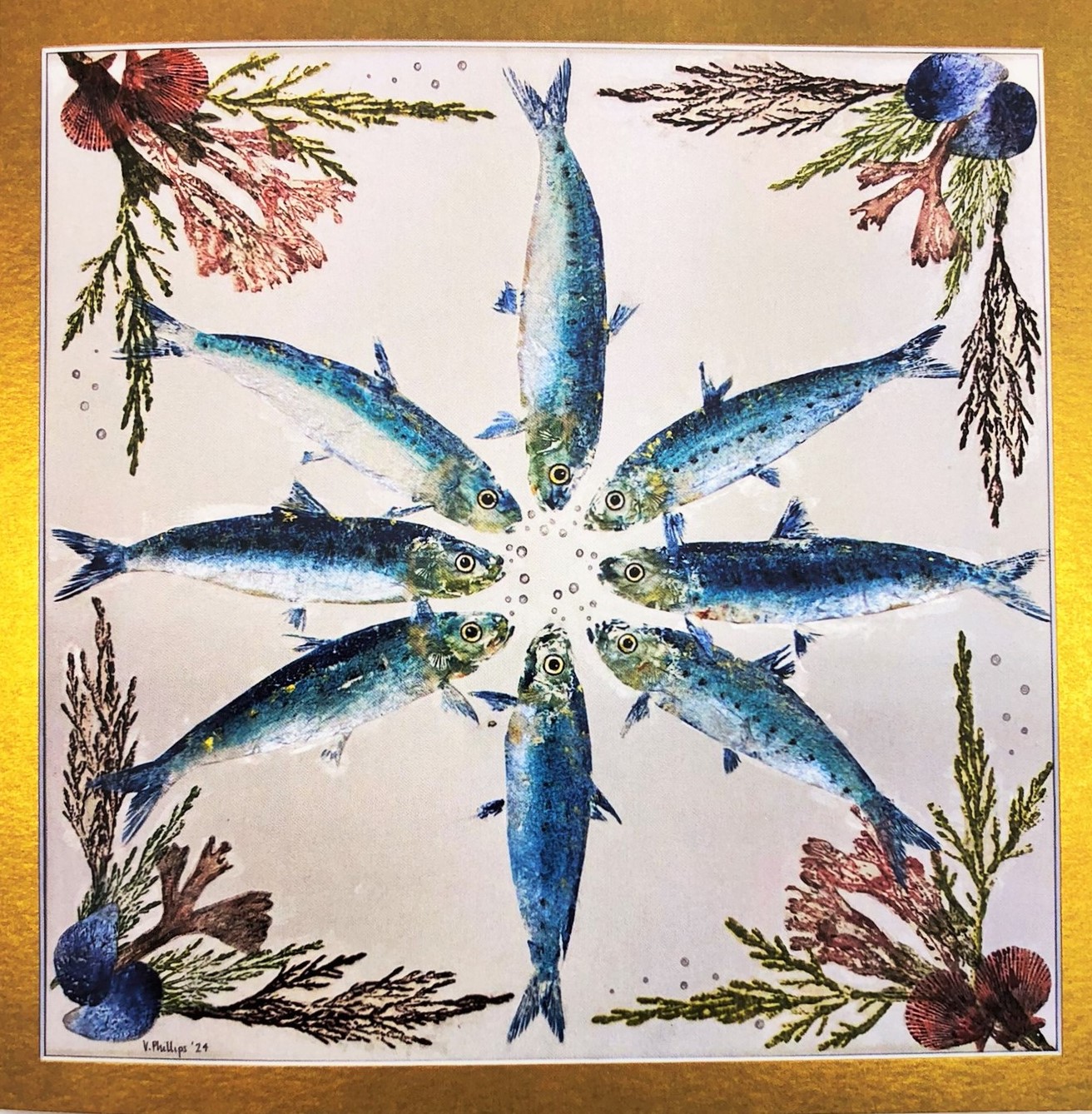
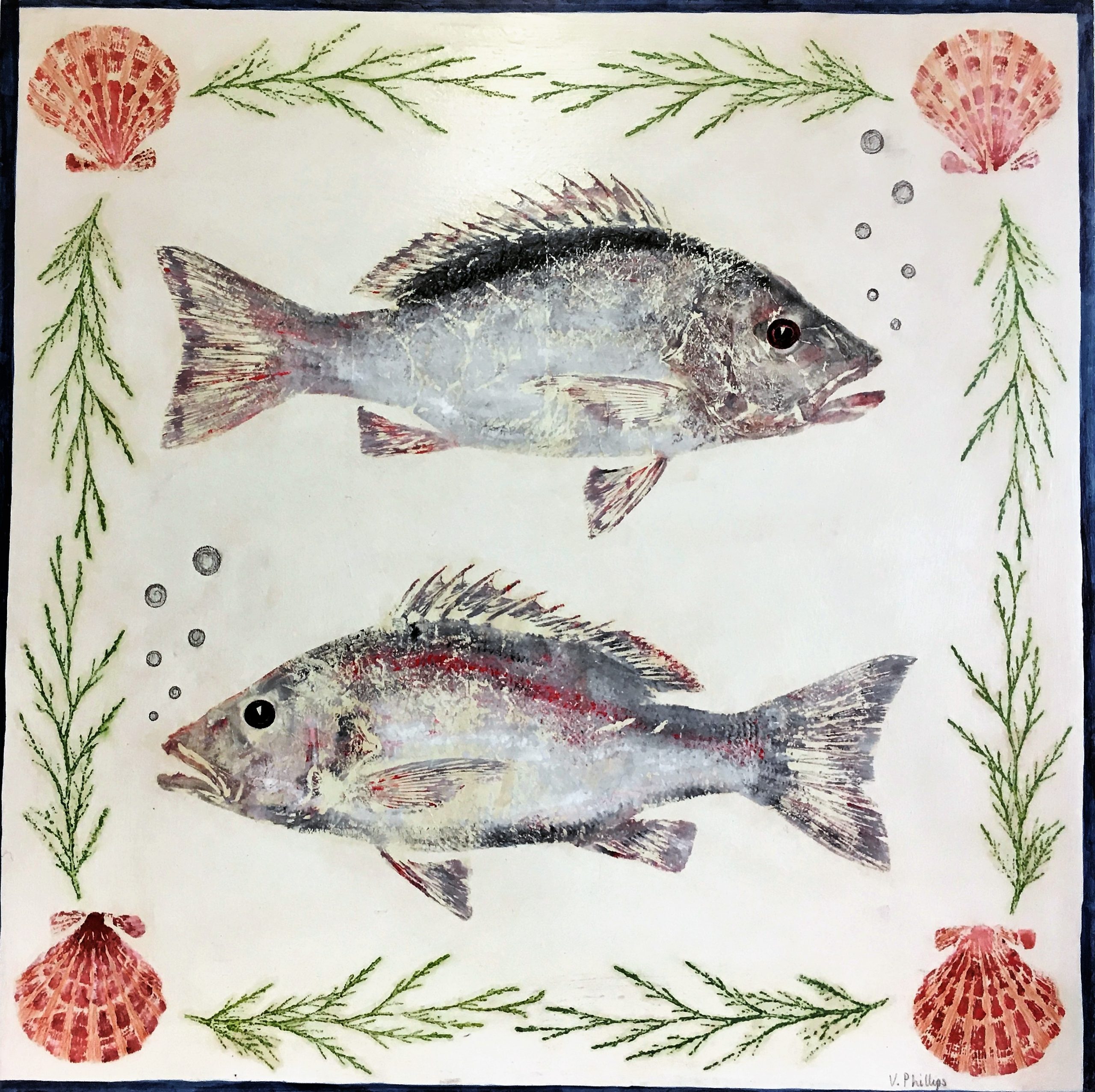
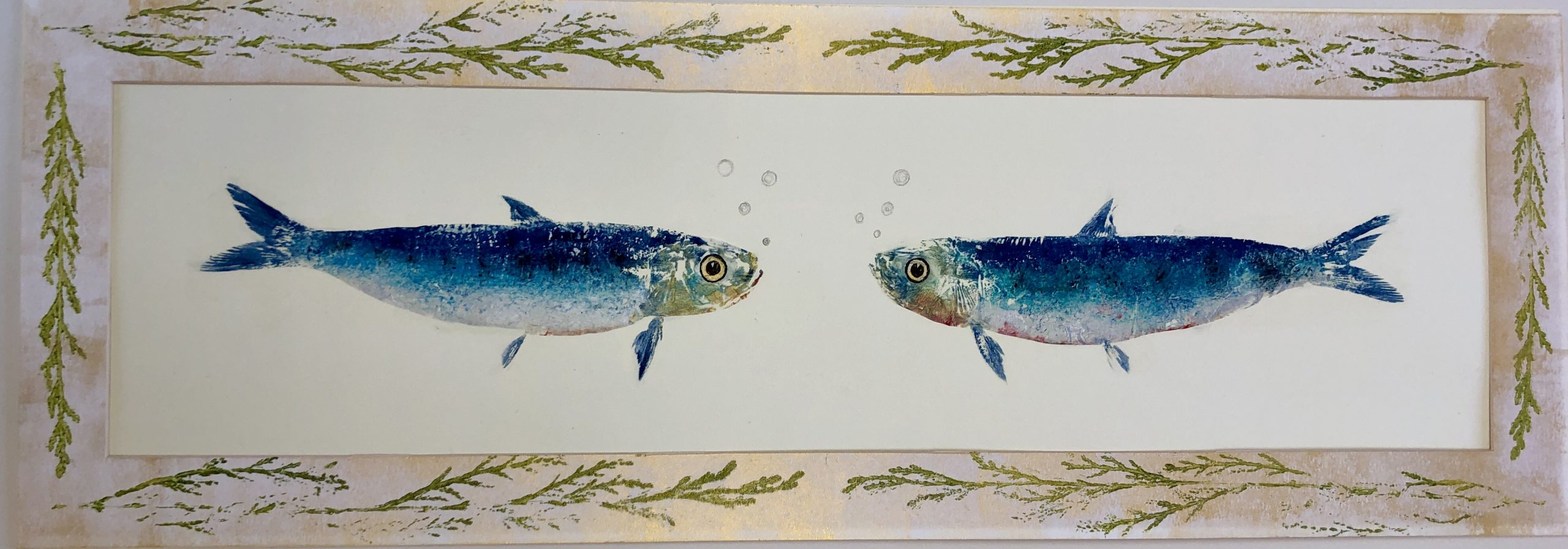
I love the beauty of a single printed fish but I also like to combine Gyotaku with other
printmaking techniques. Each piece I create is completely individual and hand printed. Due
to the nature of the process multiple prints can be created but no
two prints will ever be the
same. Paper, ink, temperature and of course, the fish itself all affect the outcome. It can be
quite a long and delicate process, but it never ceases to amaze and thrill me.
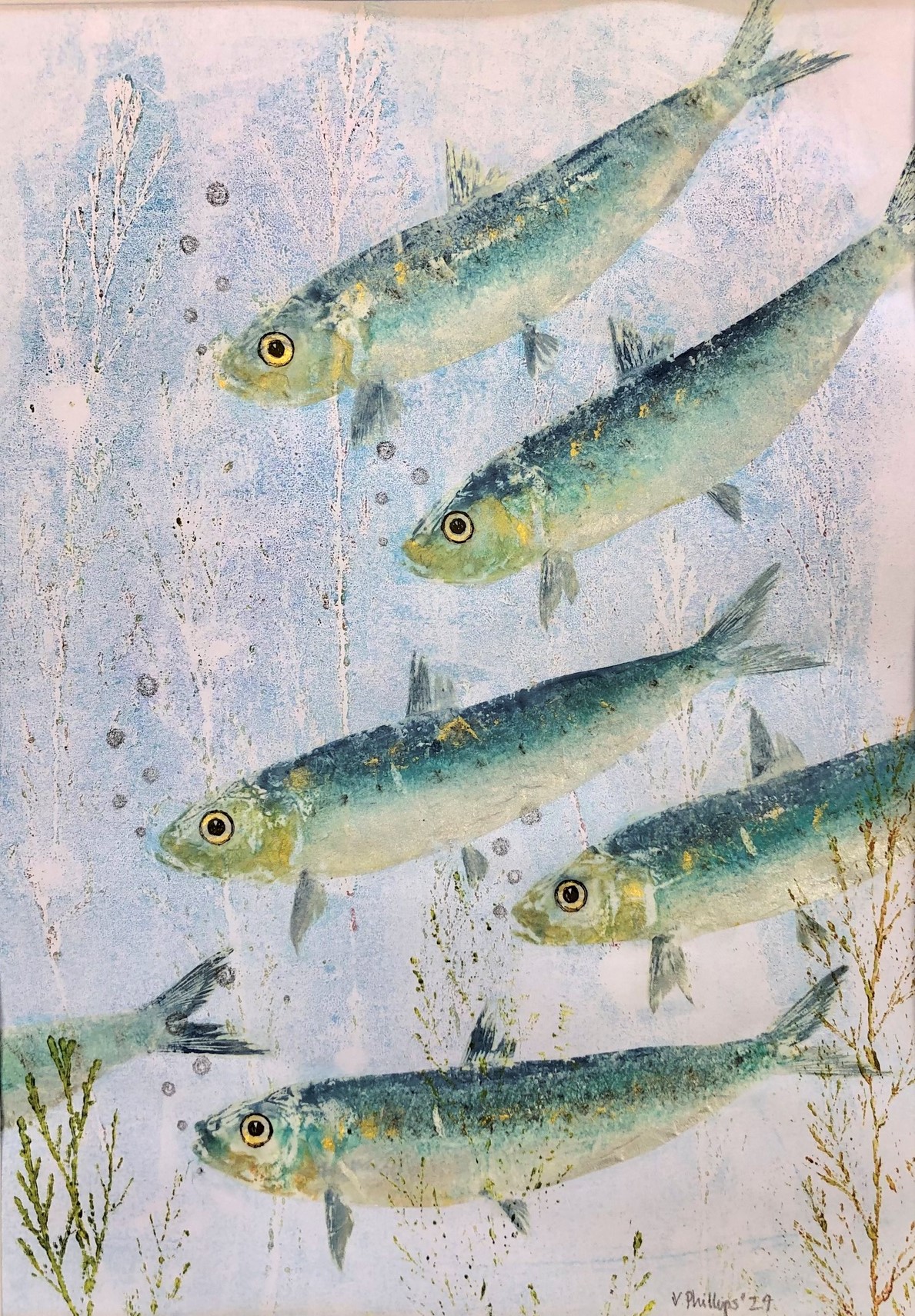
To purists Gyotaku is only Gyotaku if you follow all 3 steps ‘catch, print, eat’. A lot of fish has
been eaten in the making of these artworks!
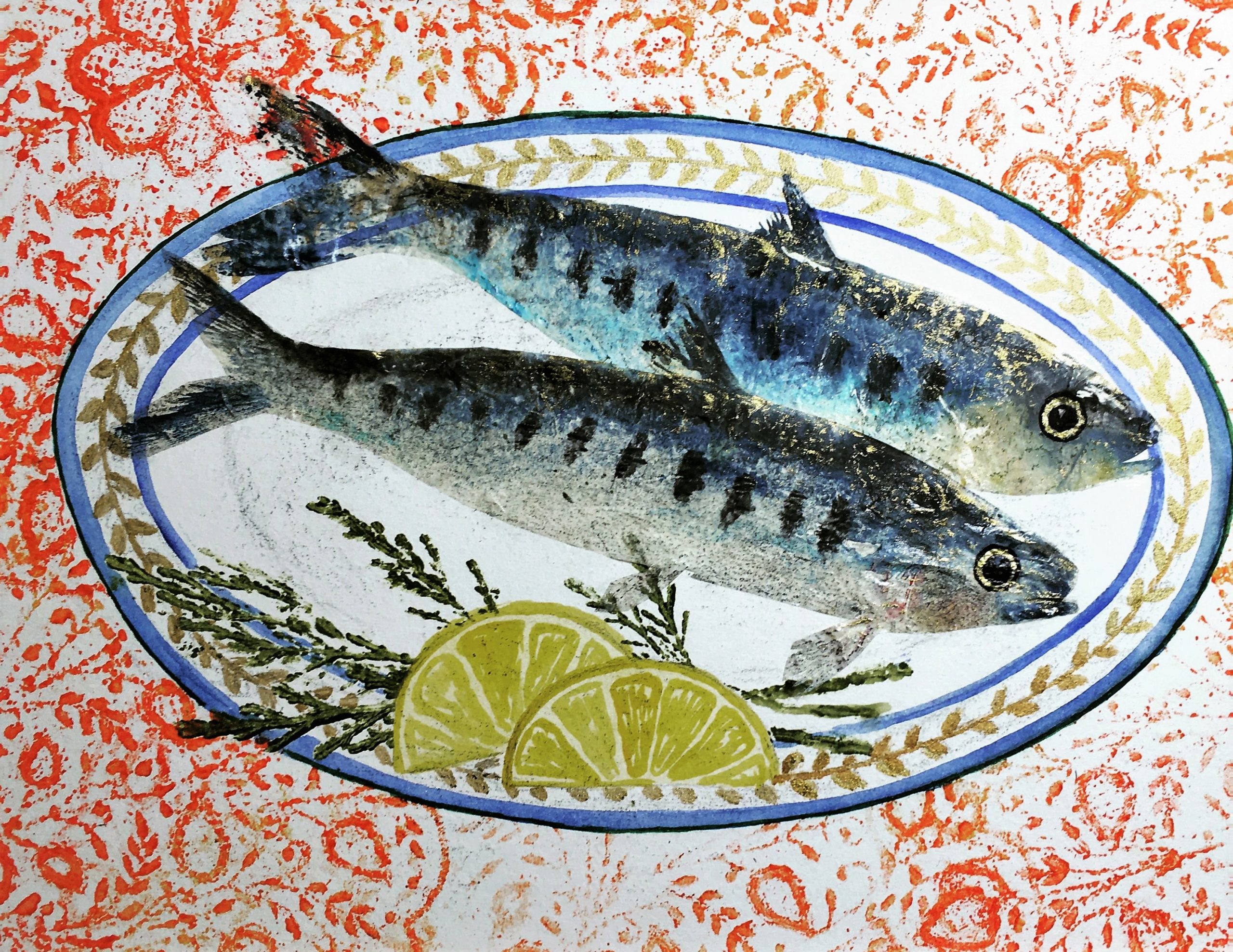
In the ‘Gallery’ you will see examples of my work.
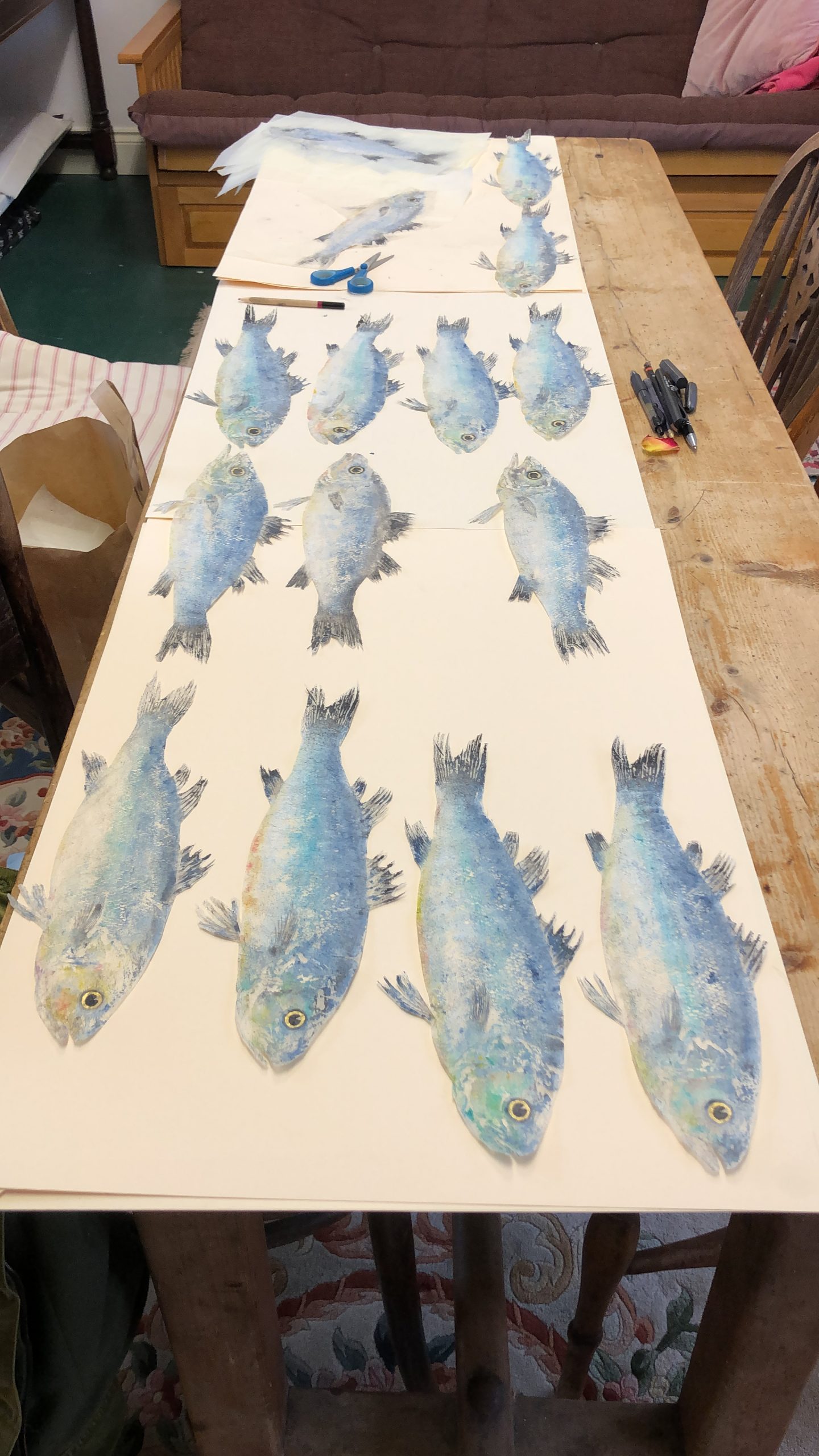
Each of my pictures is completely unique,
each fish individually hand printed. If you would like me to create a bespoke piece of artwork
to suit your needs and enhance your living space please contact me.
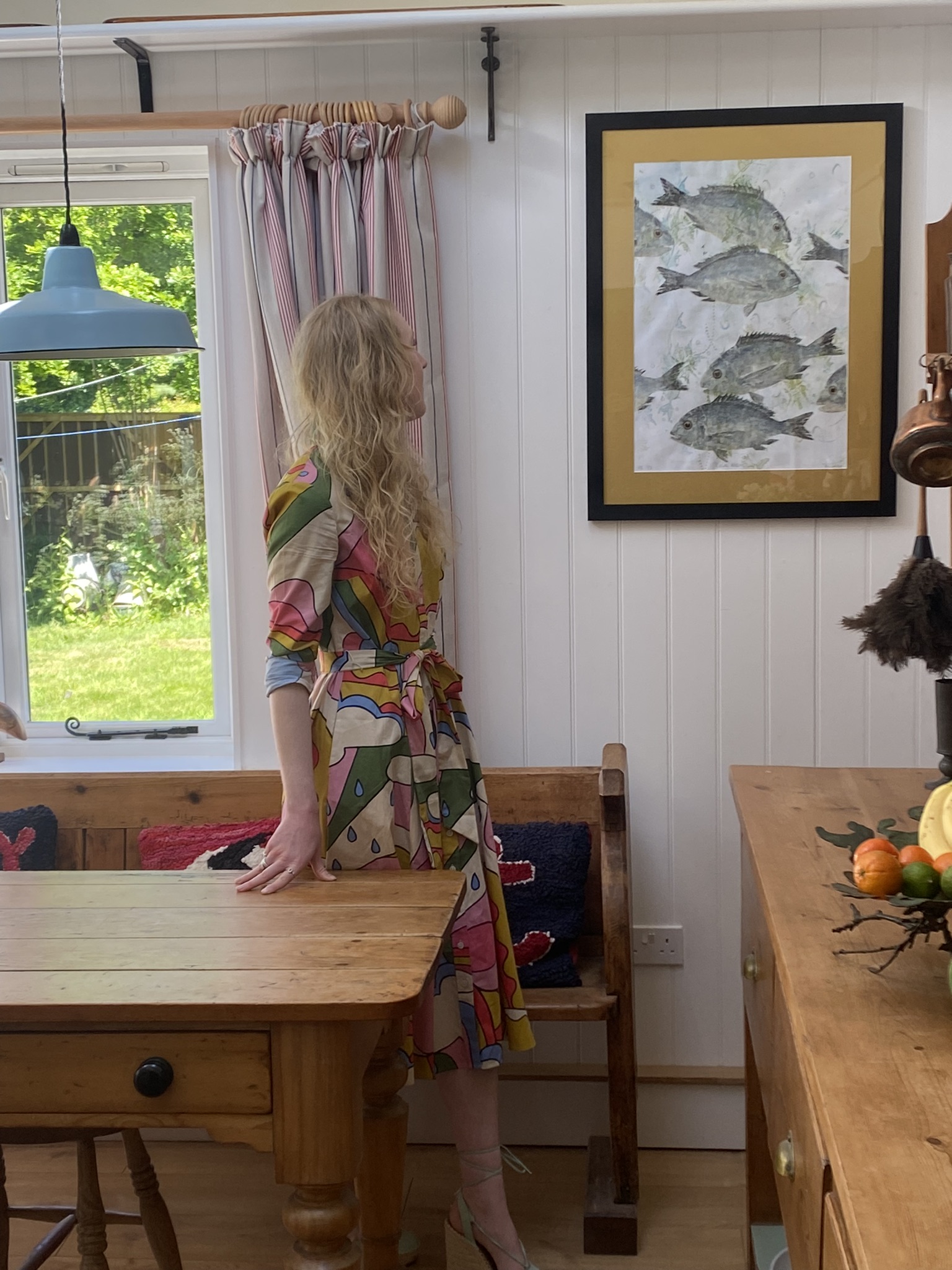
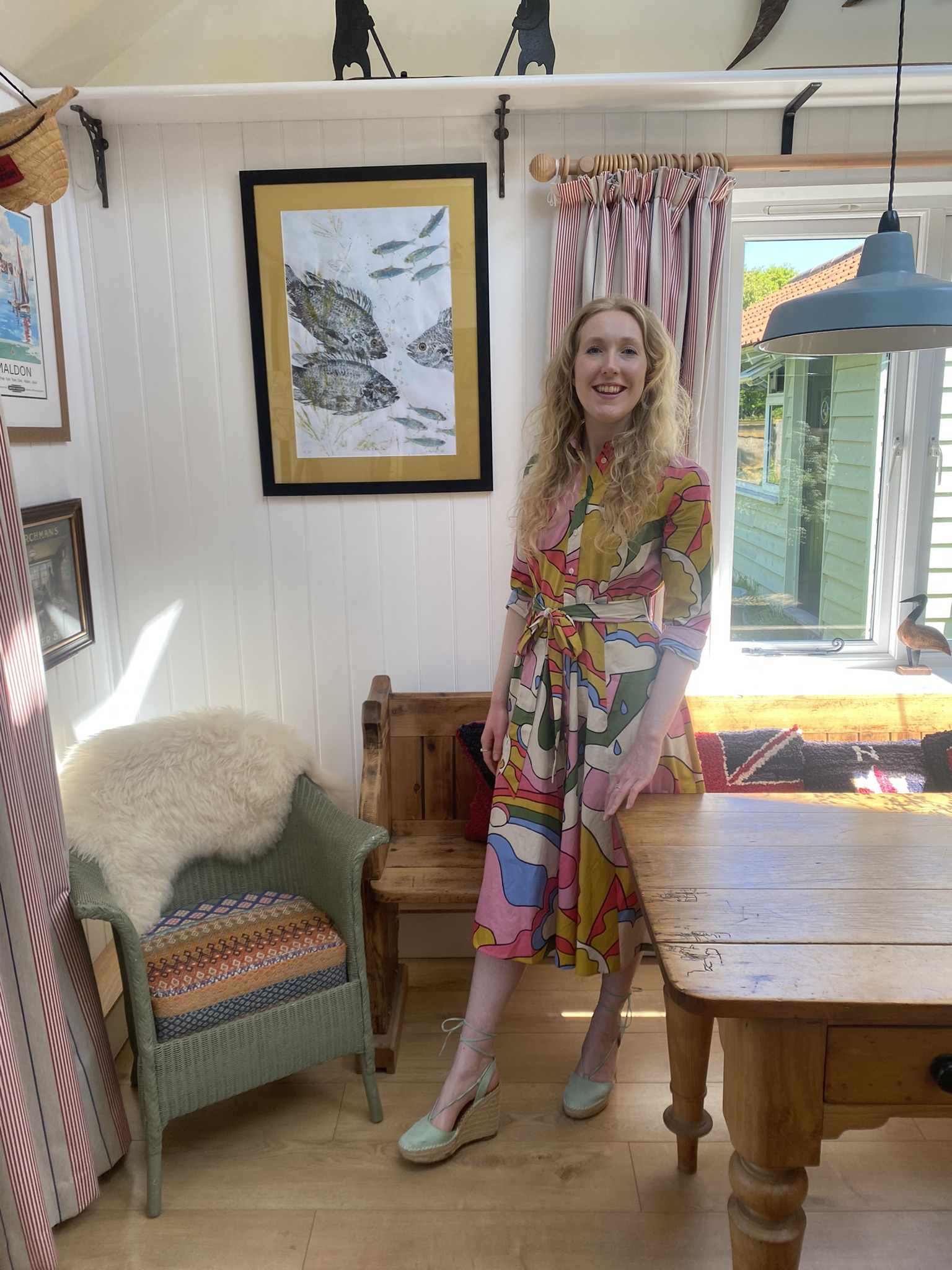
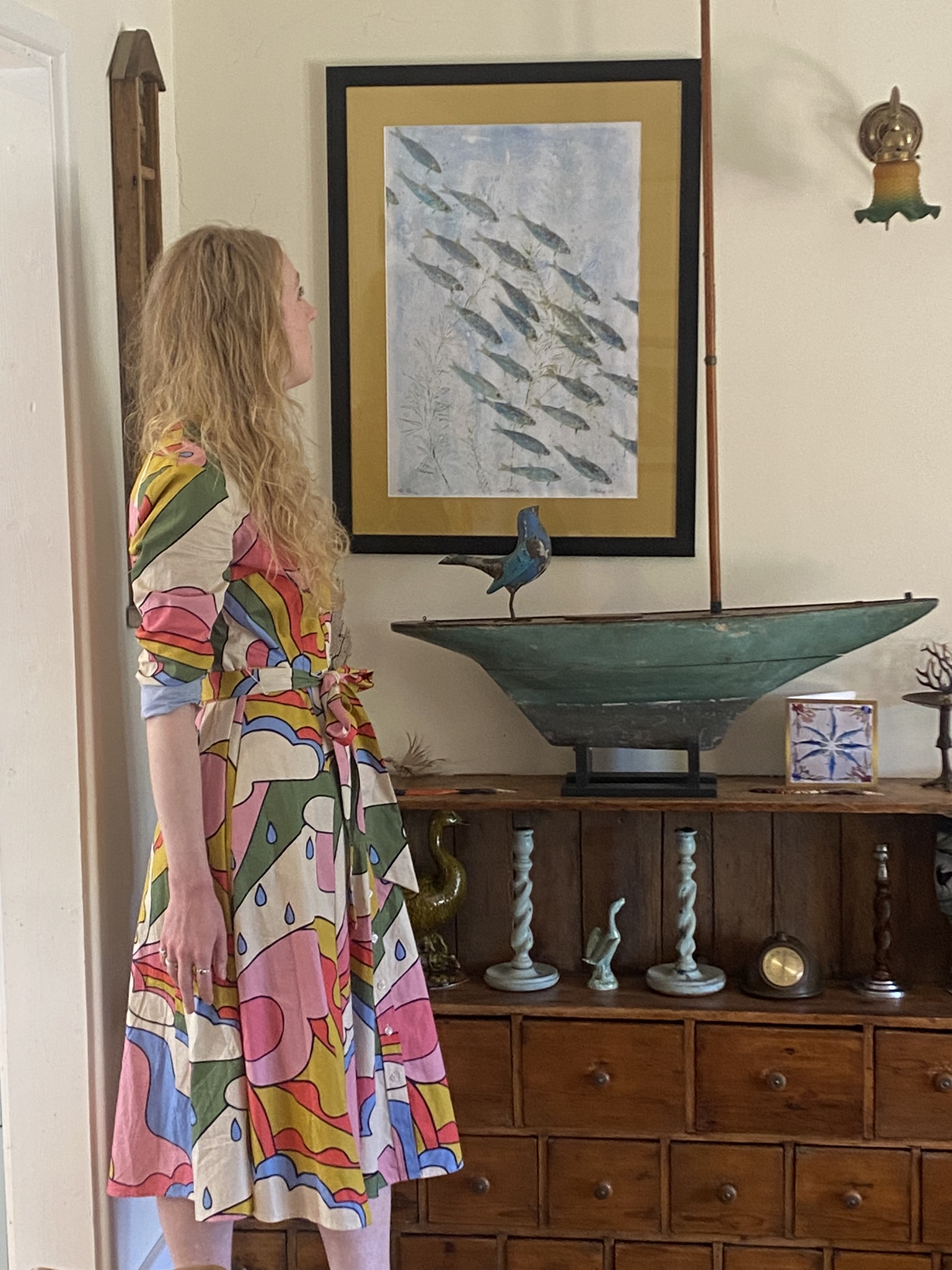
Model : Maya Osea Tucker
How do I make a print?
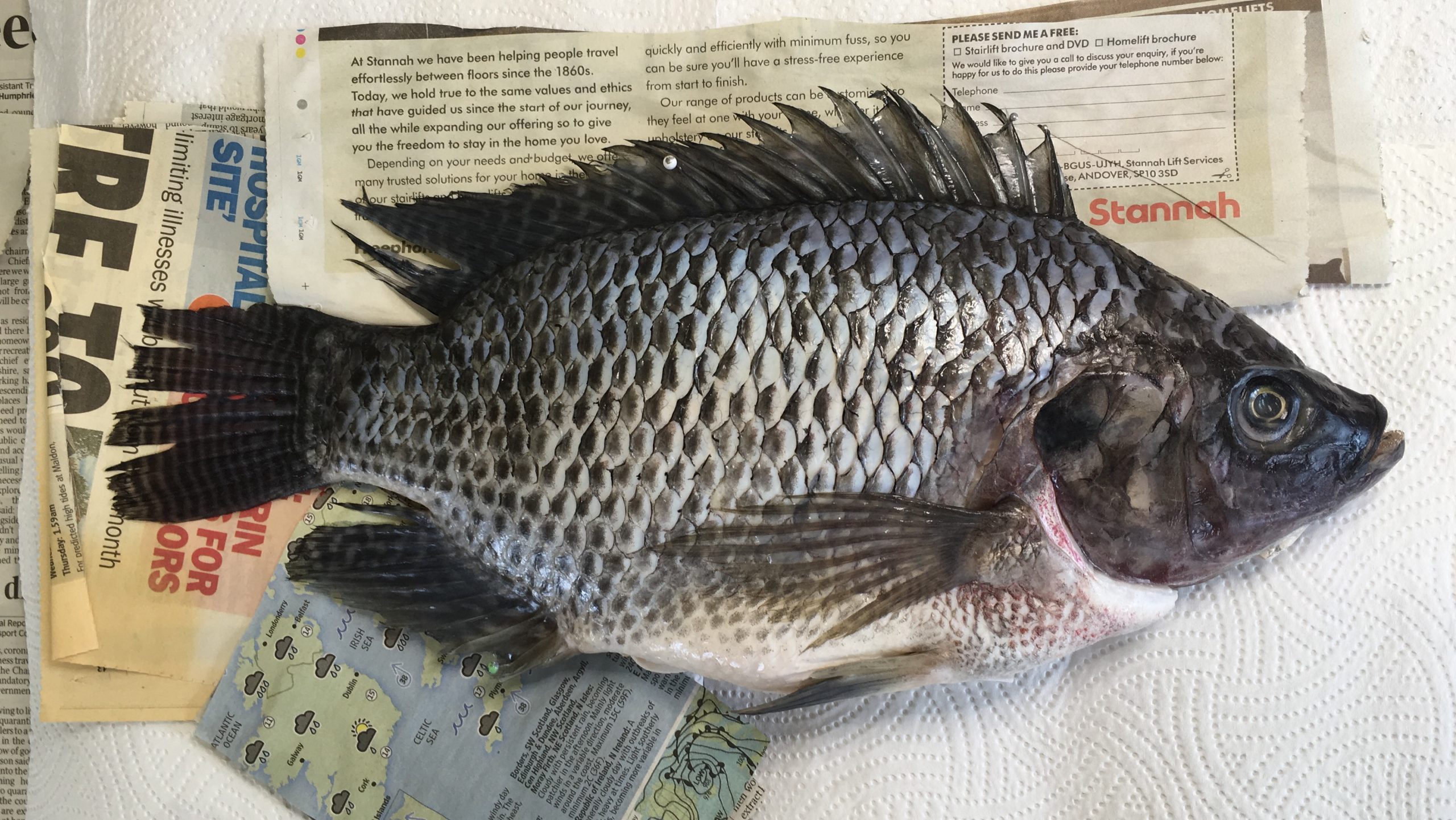
I like to spend a long time looking really carefully at the fish I'm working with before I print it. I
try to absorb all the details; the scales, the colours, the fins, the tail, the gills, the lateral line,
the markings, the eyes... it seems important to do this, to really connect with the fish.
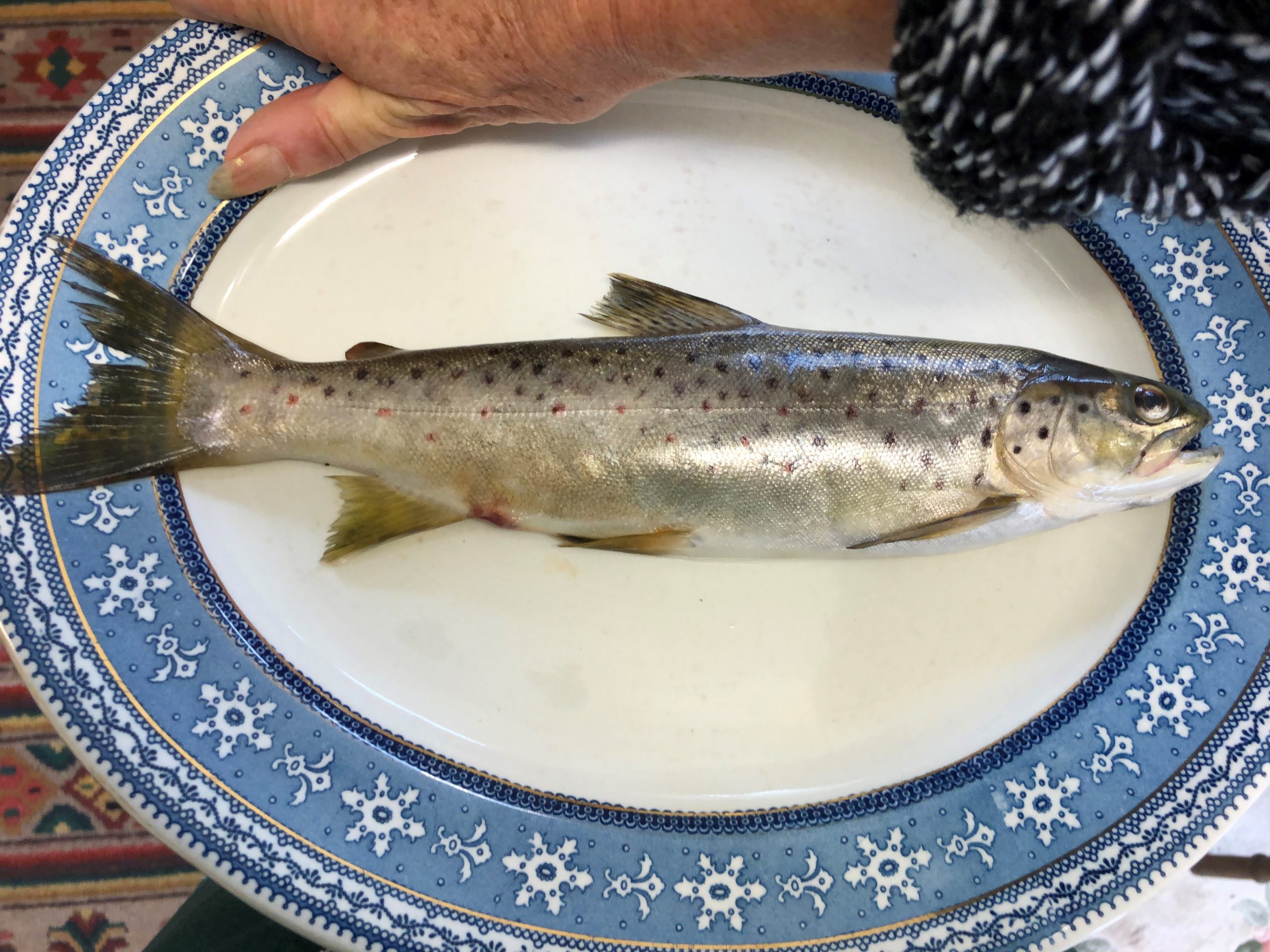
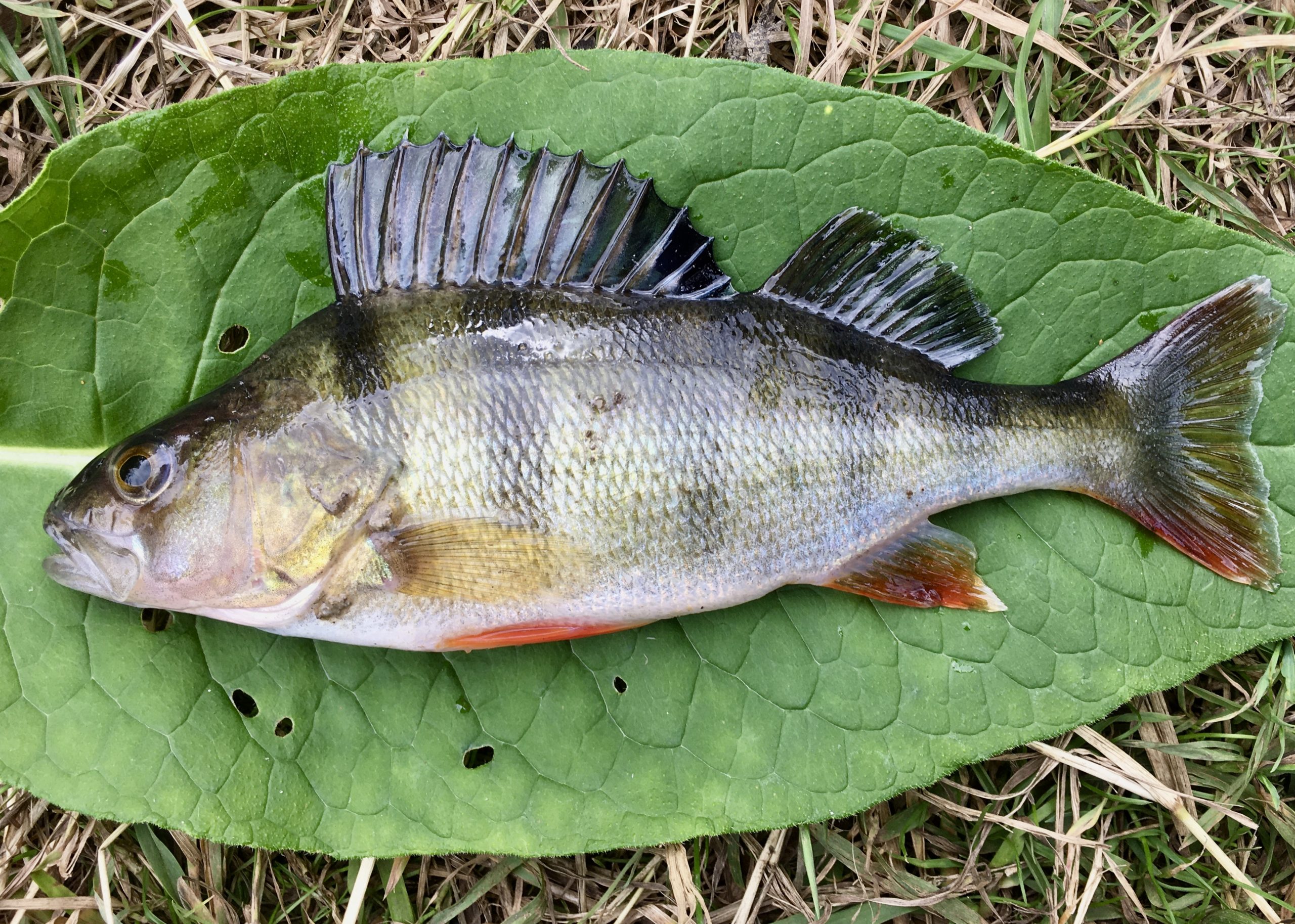
Fred's catches: Brown Trout and Beautiful Perch.
(Both sadly passed away on the riverbank and couldn't be given their freedom back in the river. They made great prints though...)
(Both sadly passed away on the riverbank and couldn't be given their freedom back in the river. They made great prints though...)
The tactile quality is just as vital ....roughness of the scales, the sharpness of the fins and
teeth. I run my finger down the lateral line so I understand the body shape.
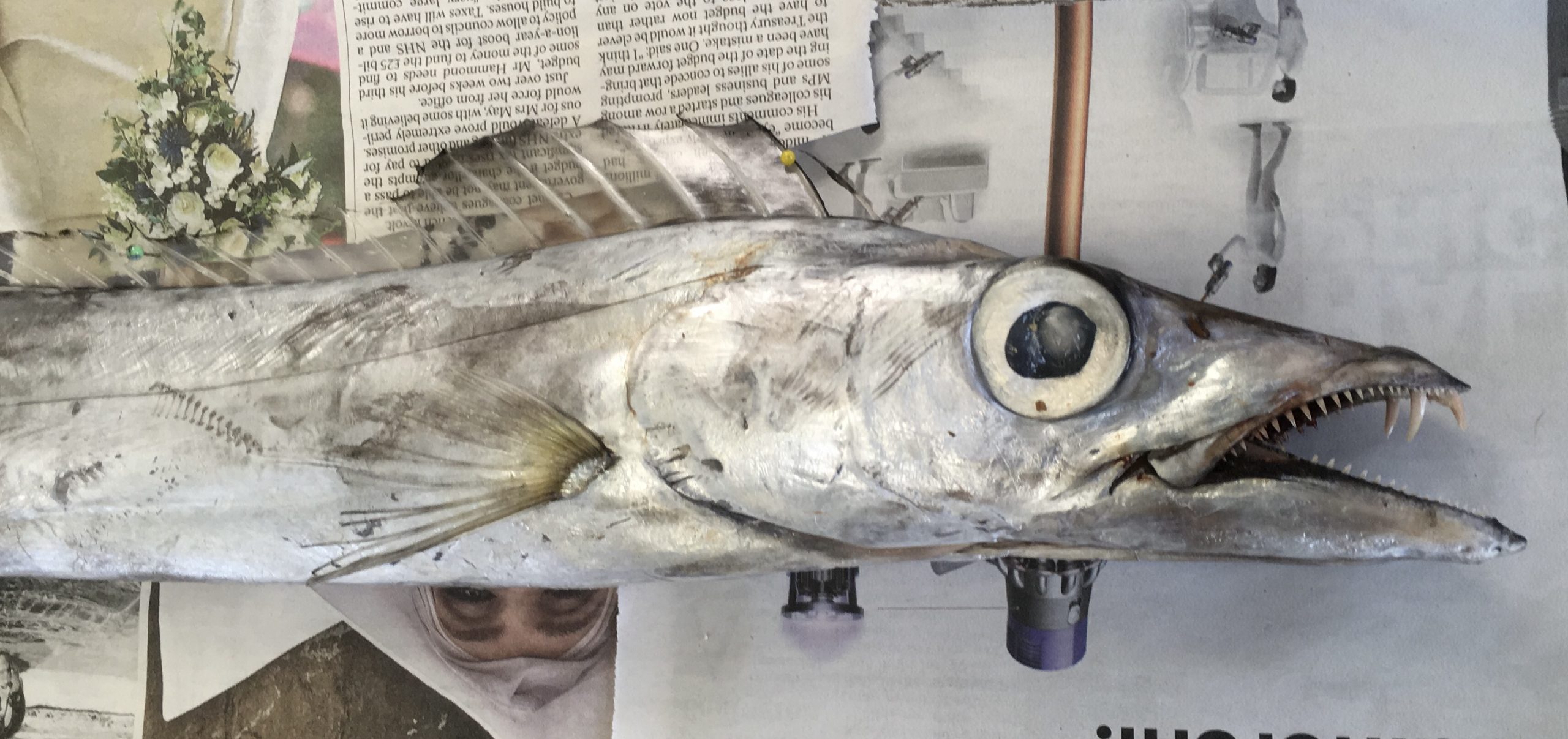
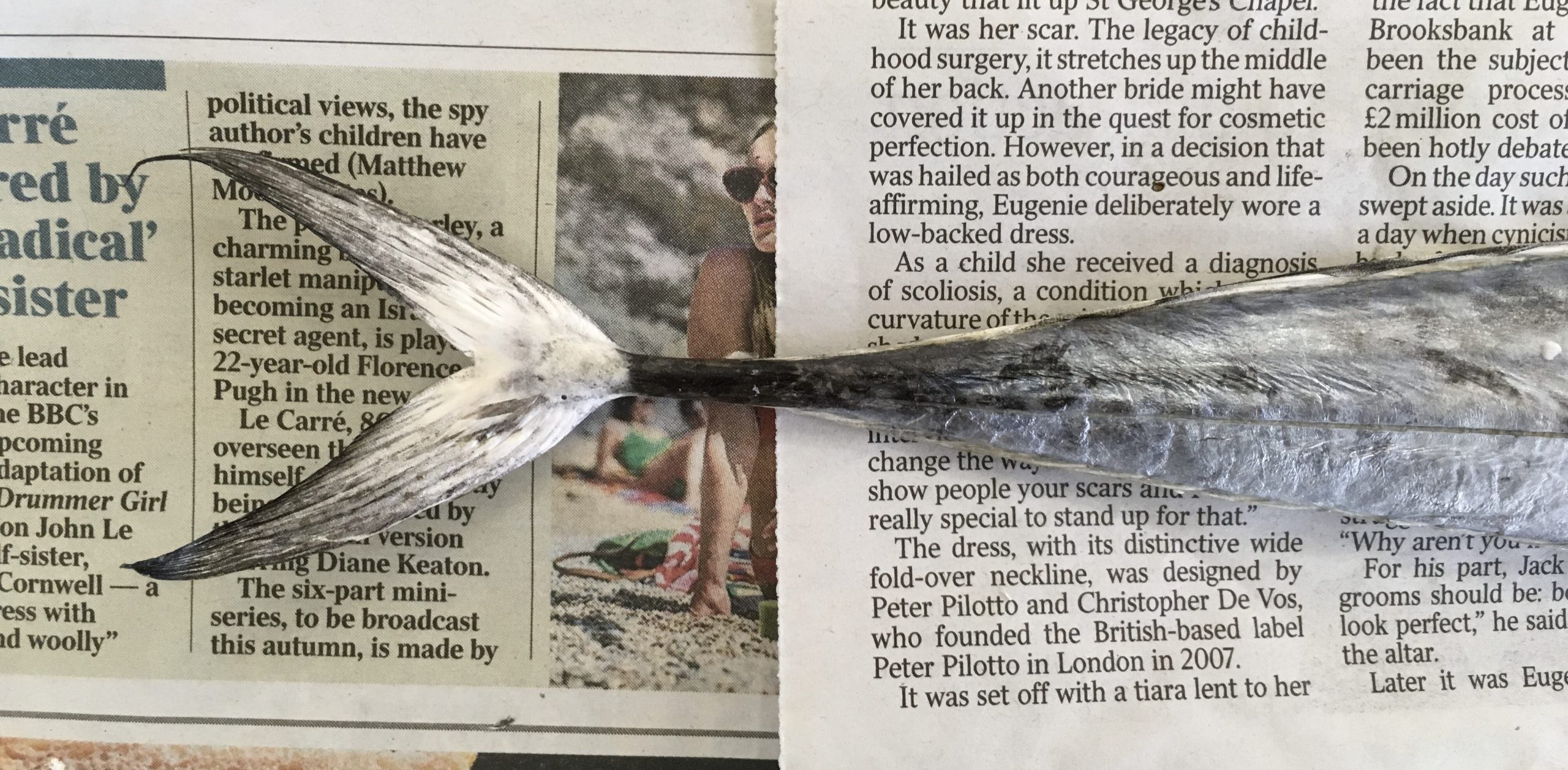
After all, this fish has given its life (not through choice I know) for a piece of artwork. Once I
feel I really understand the fish, then I'm ready to work...
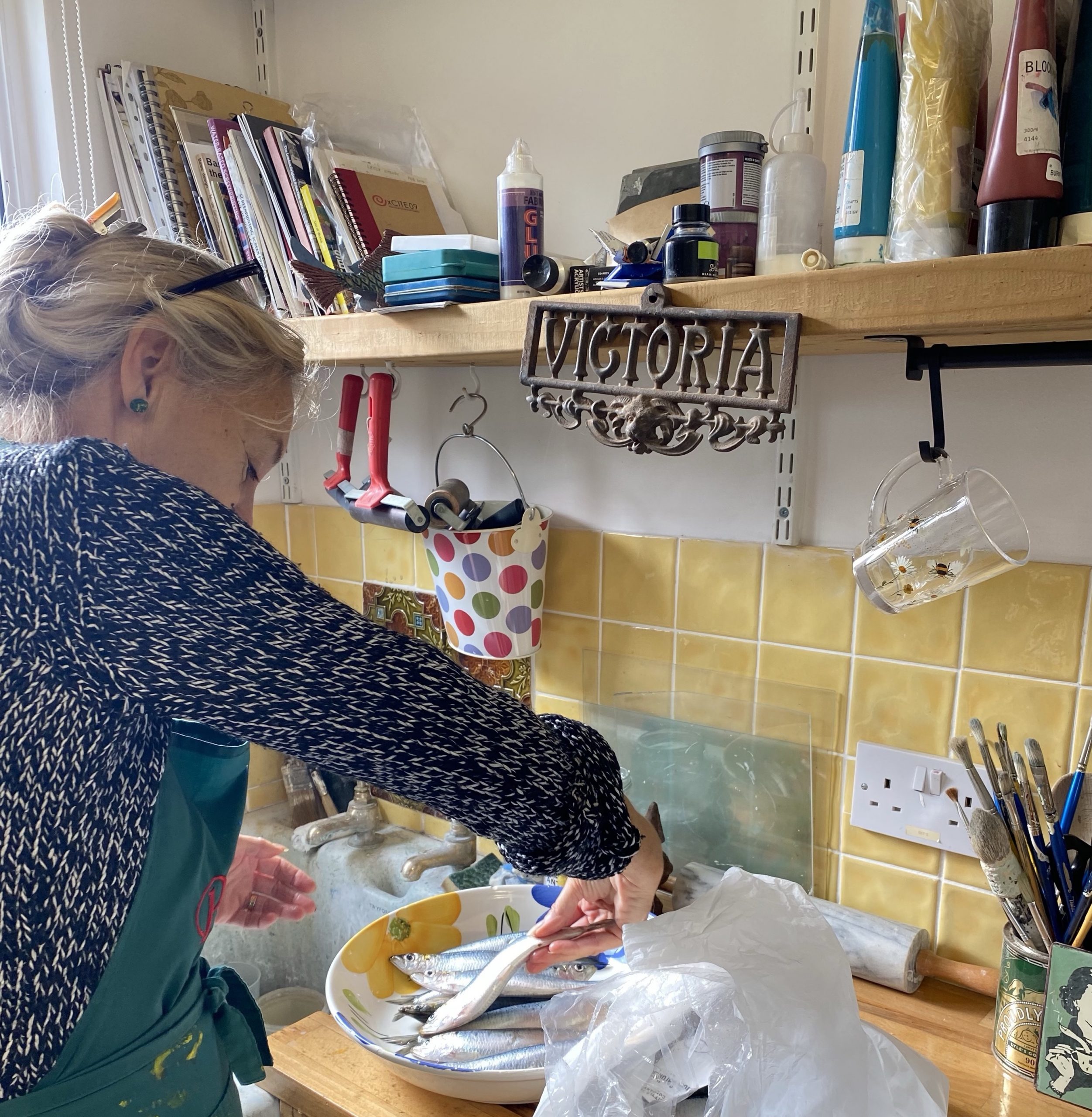
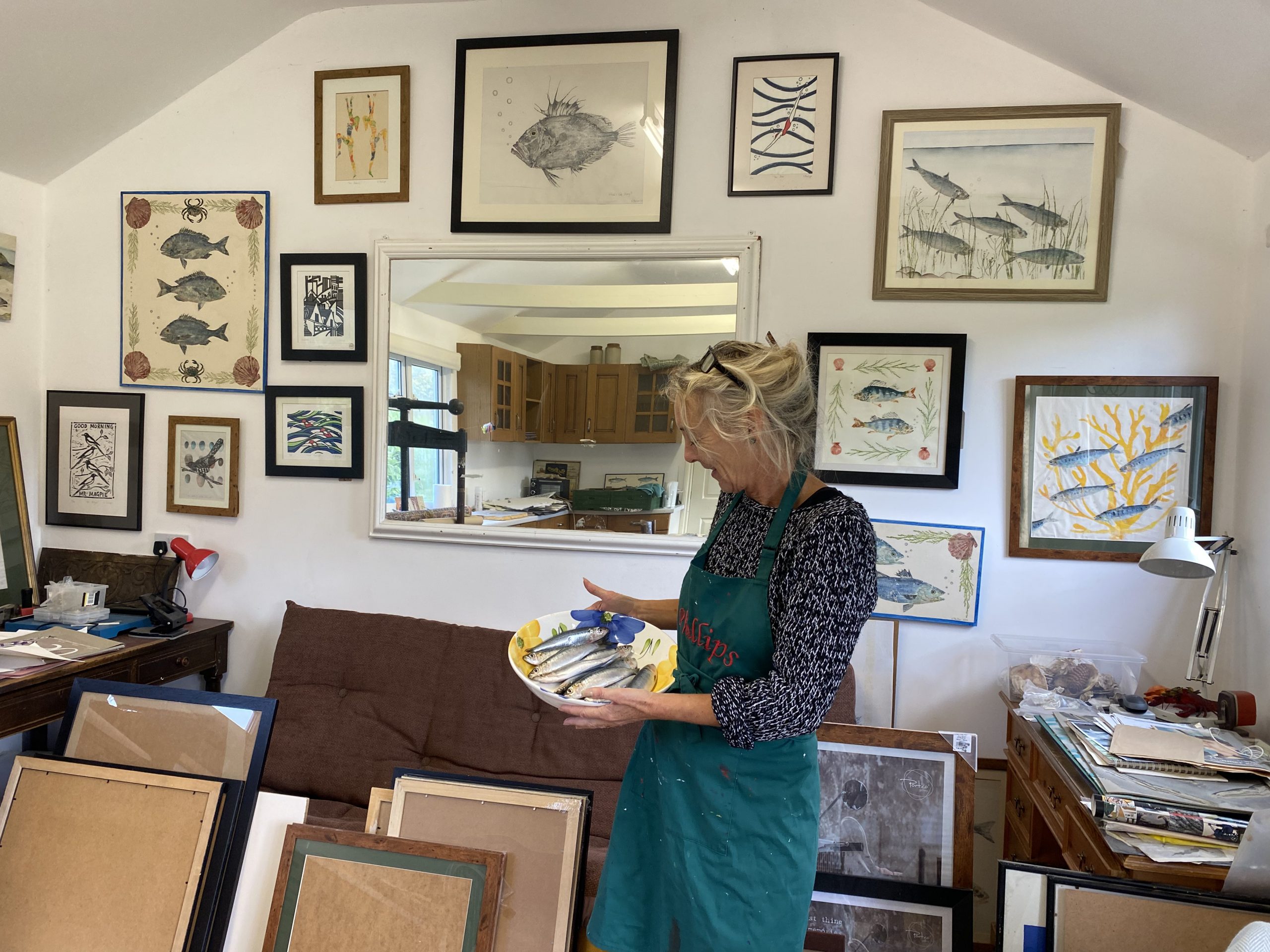
First it's carefully washed and dried. An important step... I was given a pike once from a
friend of my sons (both avid anglers). It was slippery, slimy, covered in riverweed and mud,
and had razor
sharp teeth too. To their dismay it expired
on the bankside after a fishing
expedition.
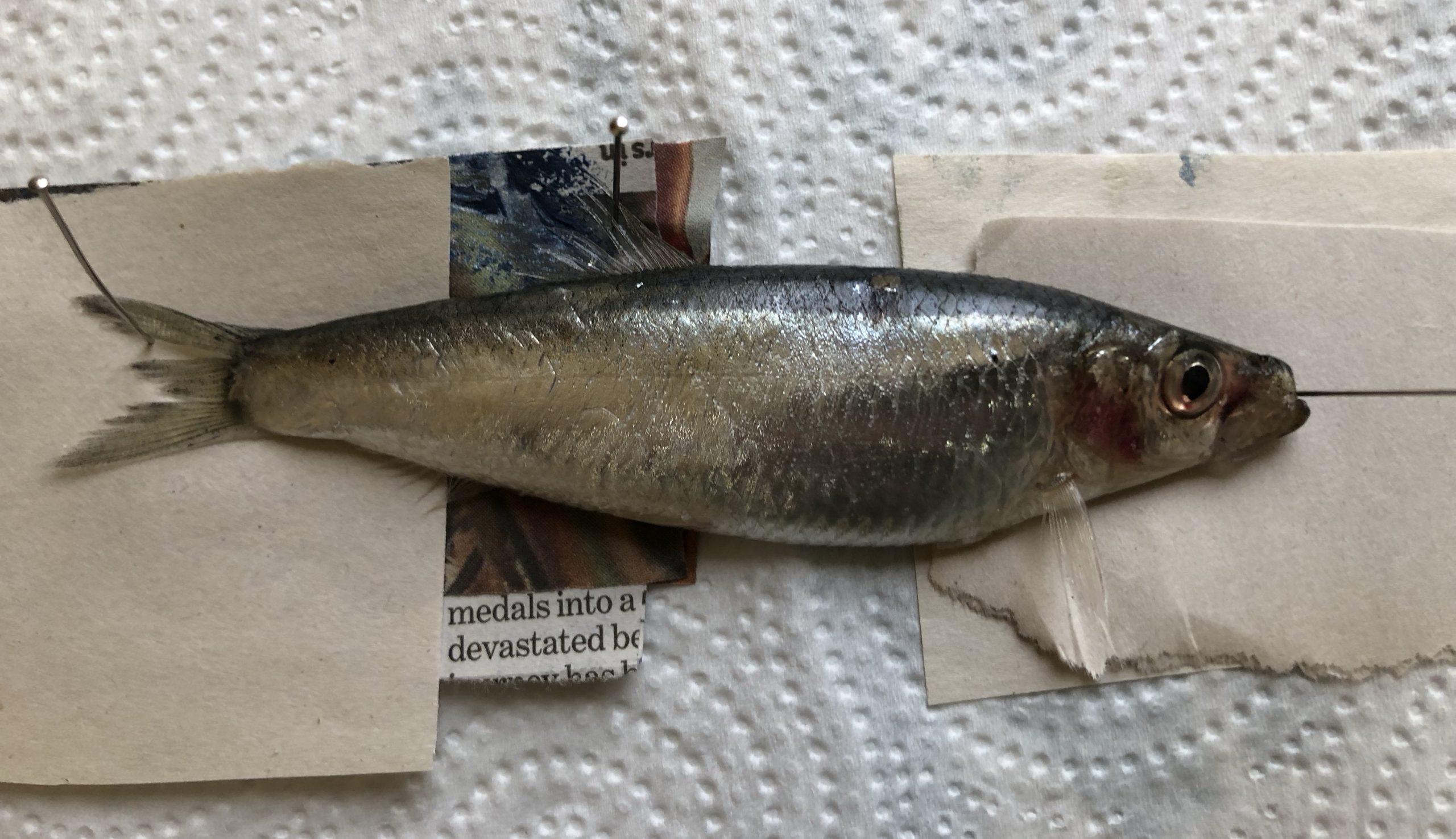
I then lay the fish out ready...open the mouth a little, pull up the dorsal fin ...continue looking
carefully. I often find myself talking the fish through the process, almost like how a surgeon
might before a procedure....
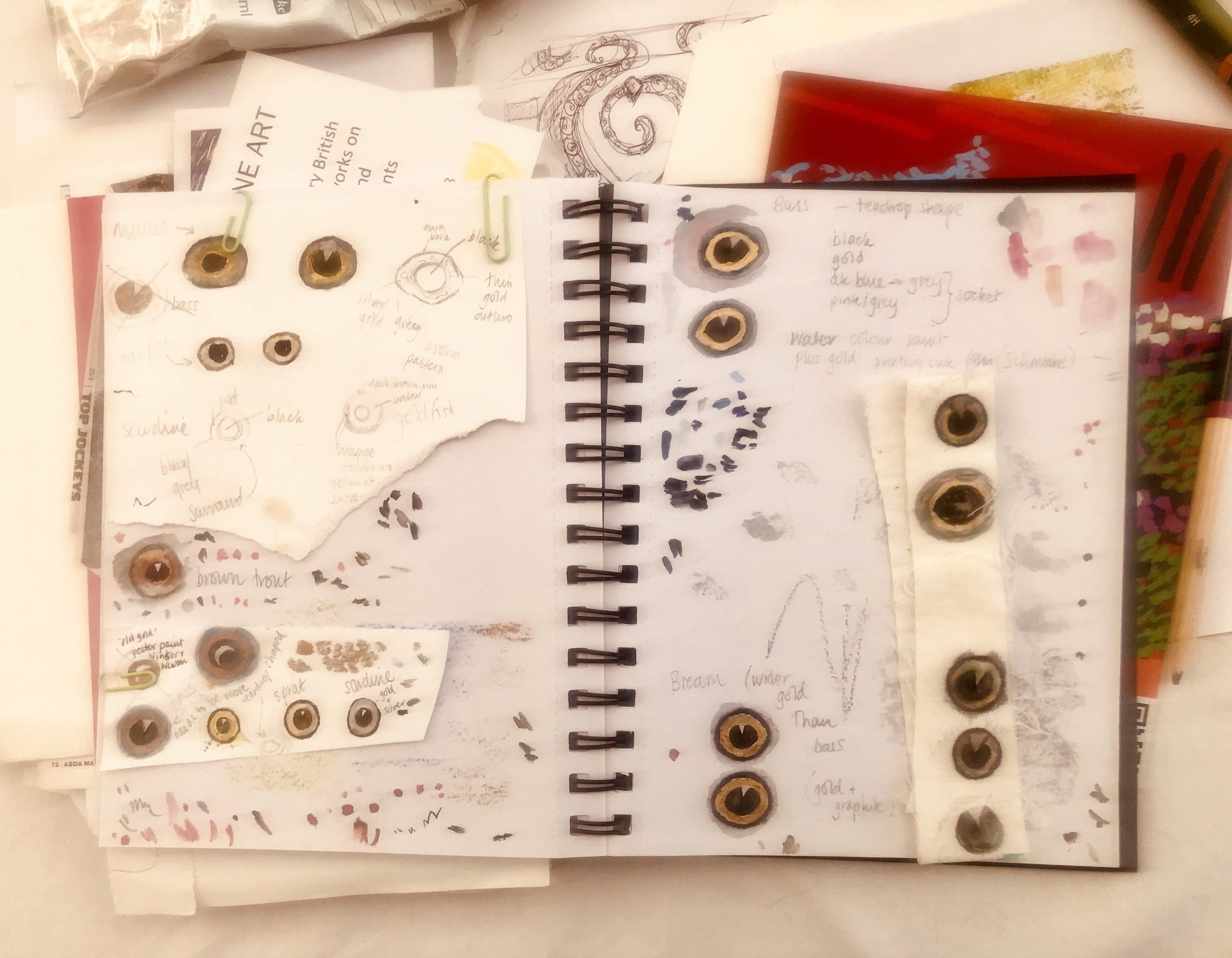
I cover the eye, as this is painted in at a later stage.
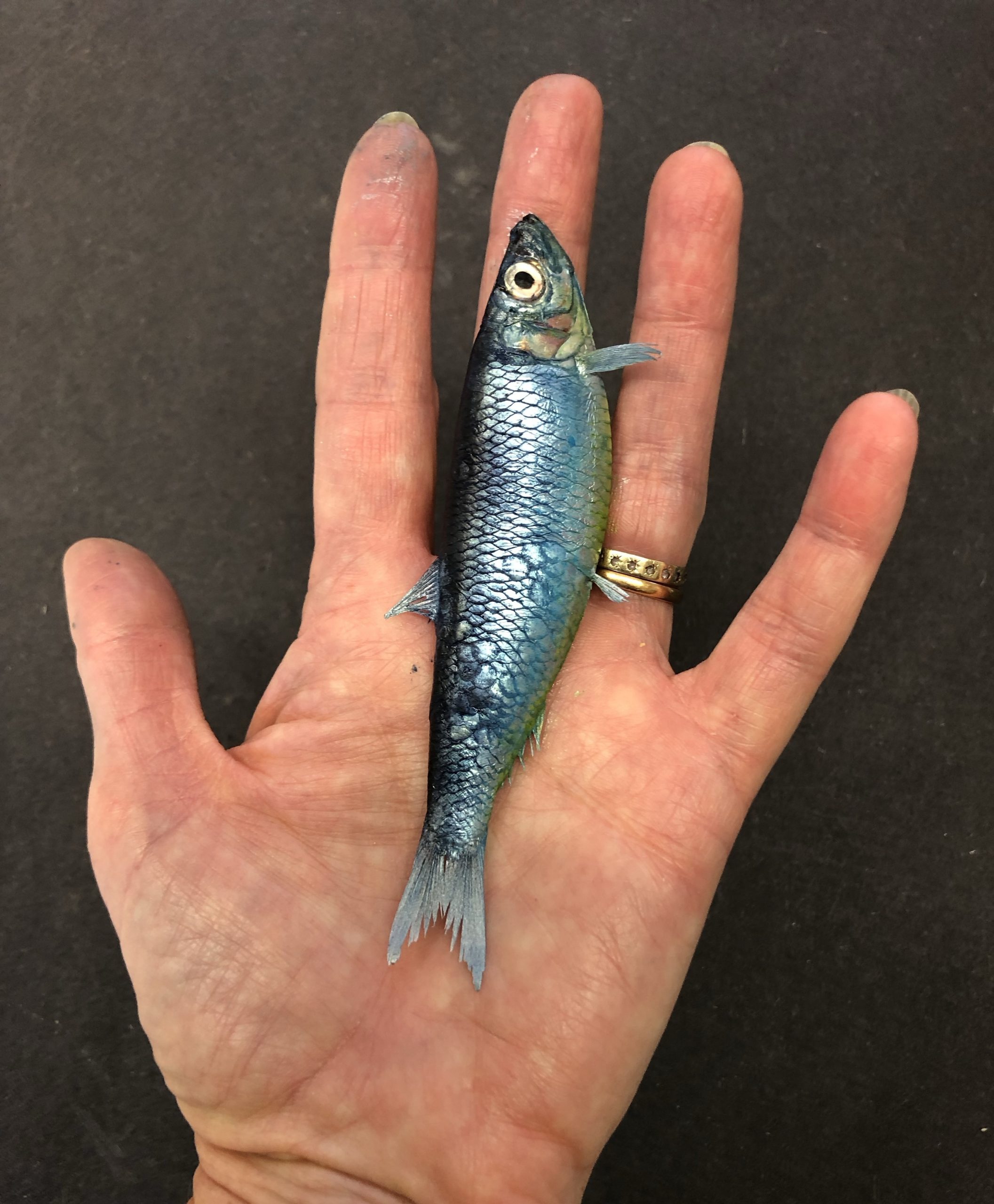
I use water based inks which are applied to the fish with brushes. Of late I have been
incorporating some beautiful gold and silver ink into my work.
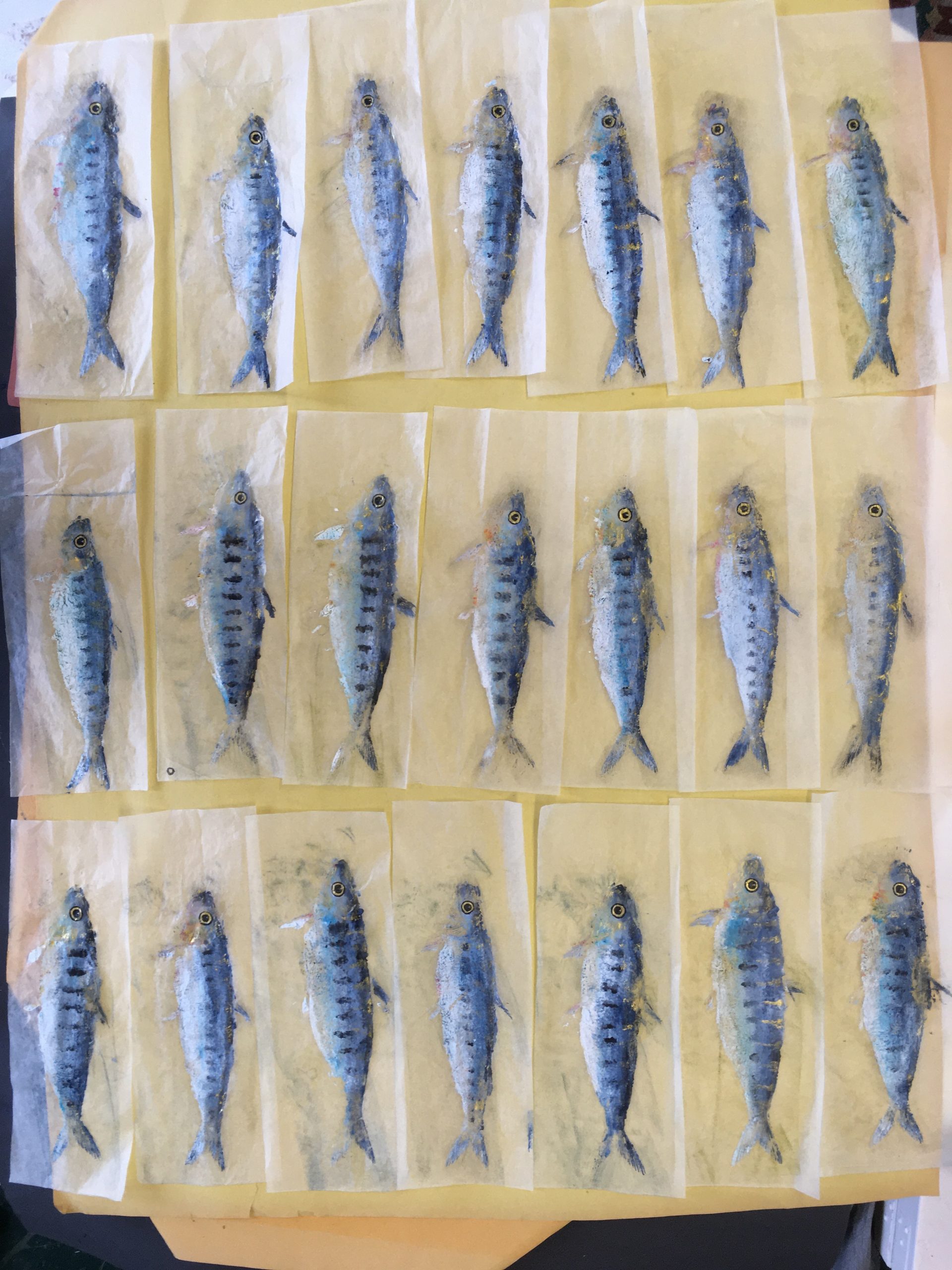
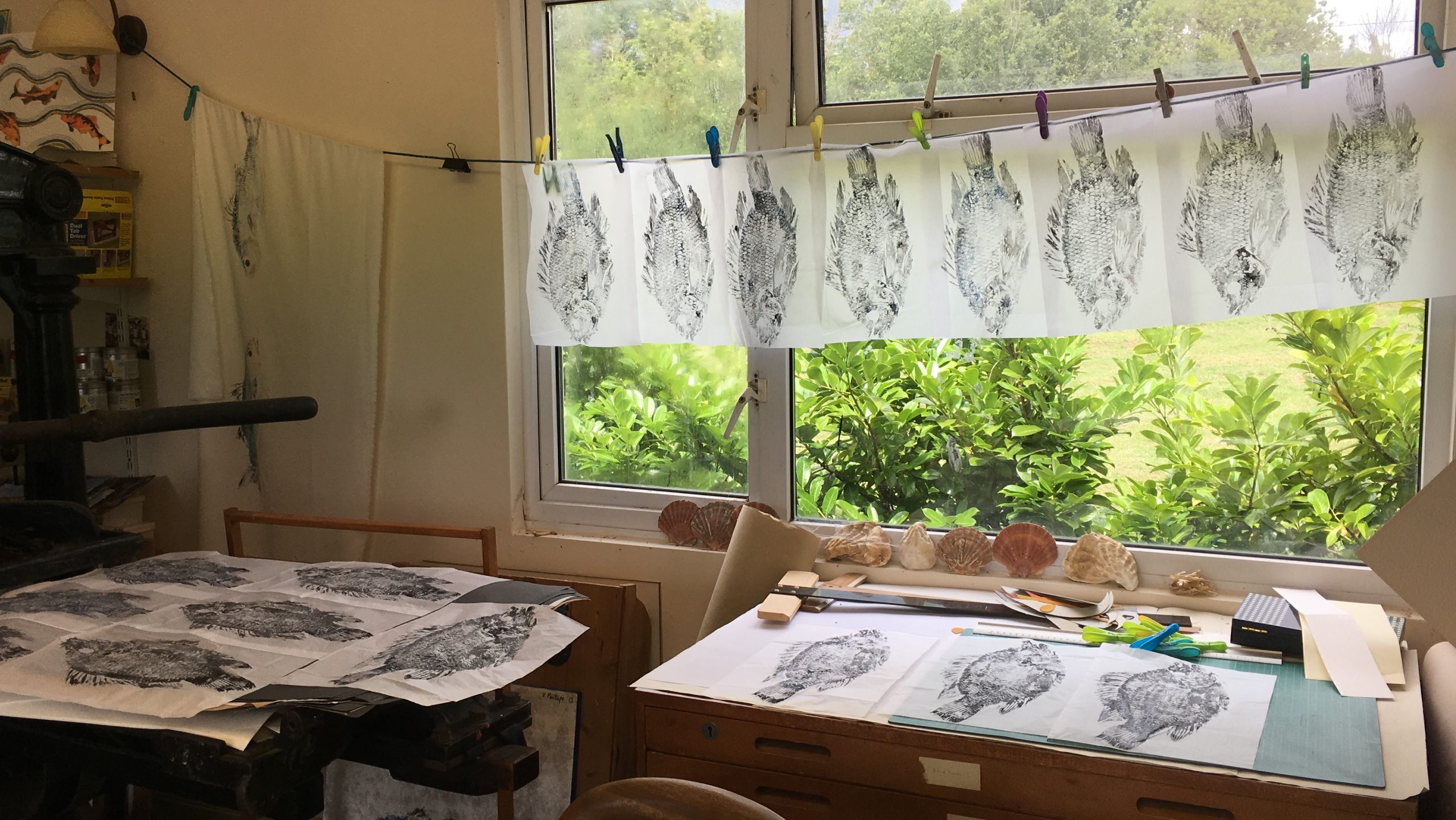
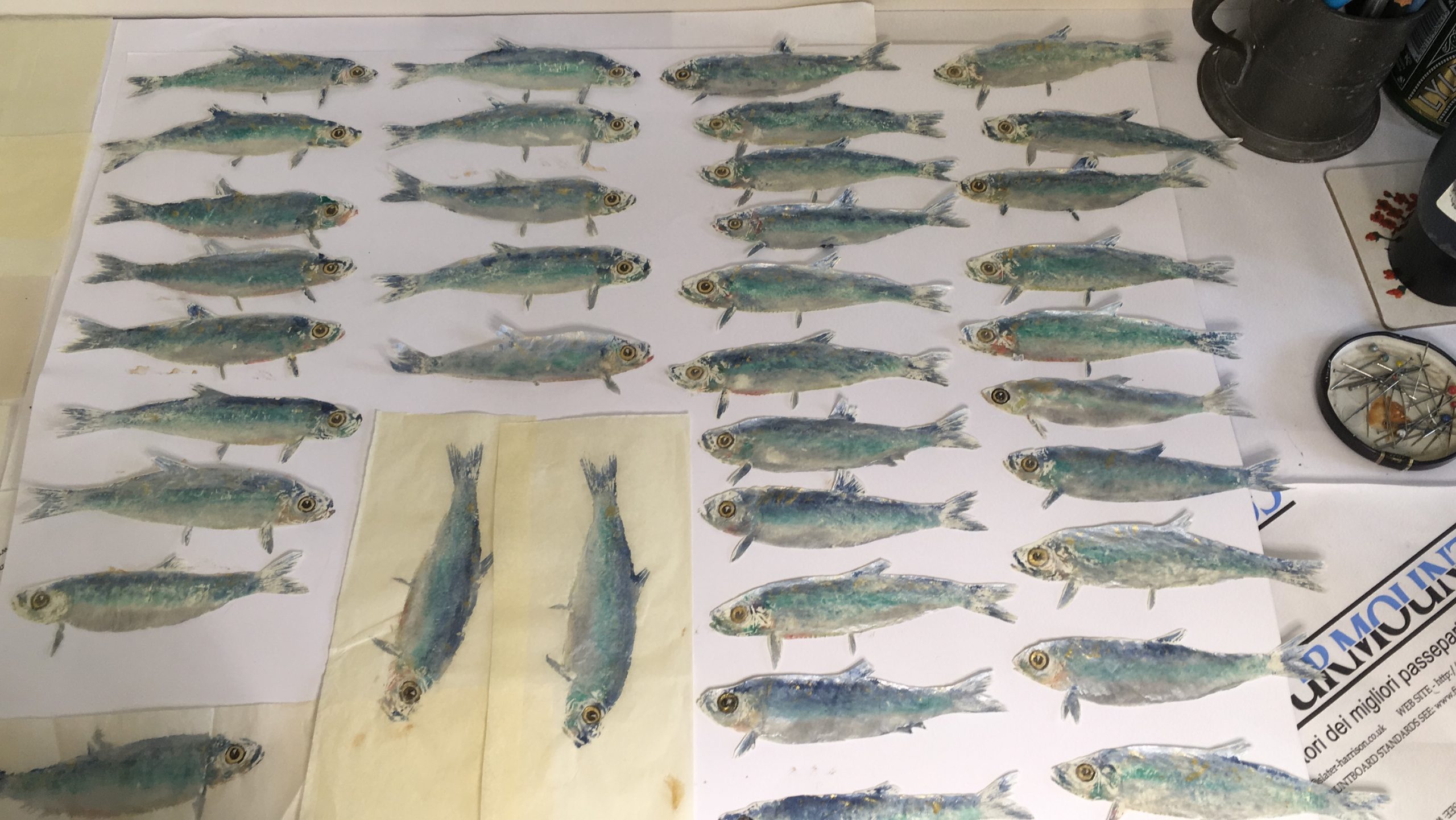
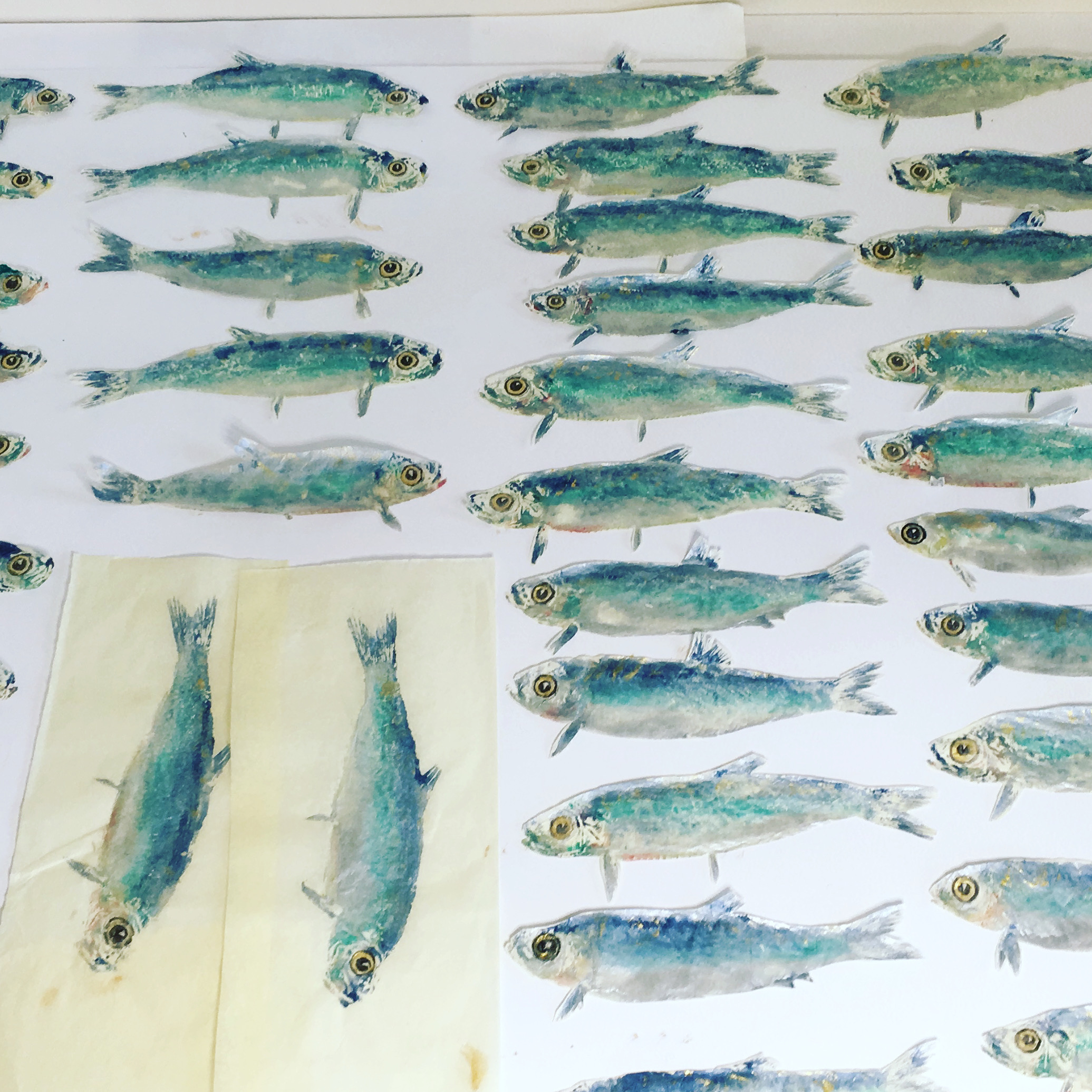
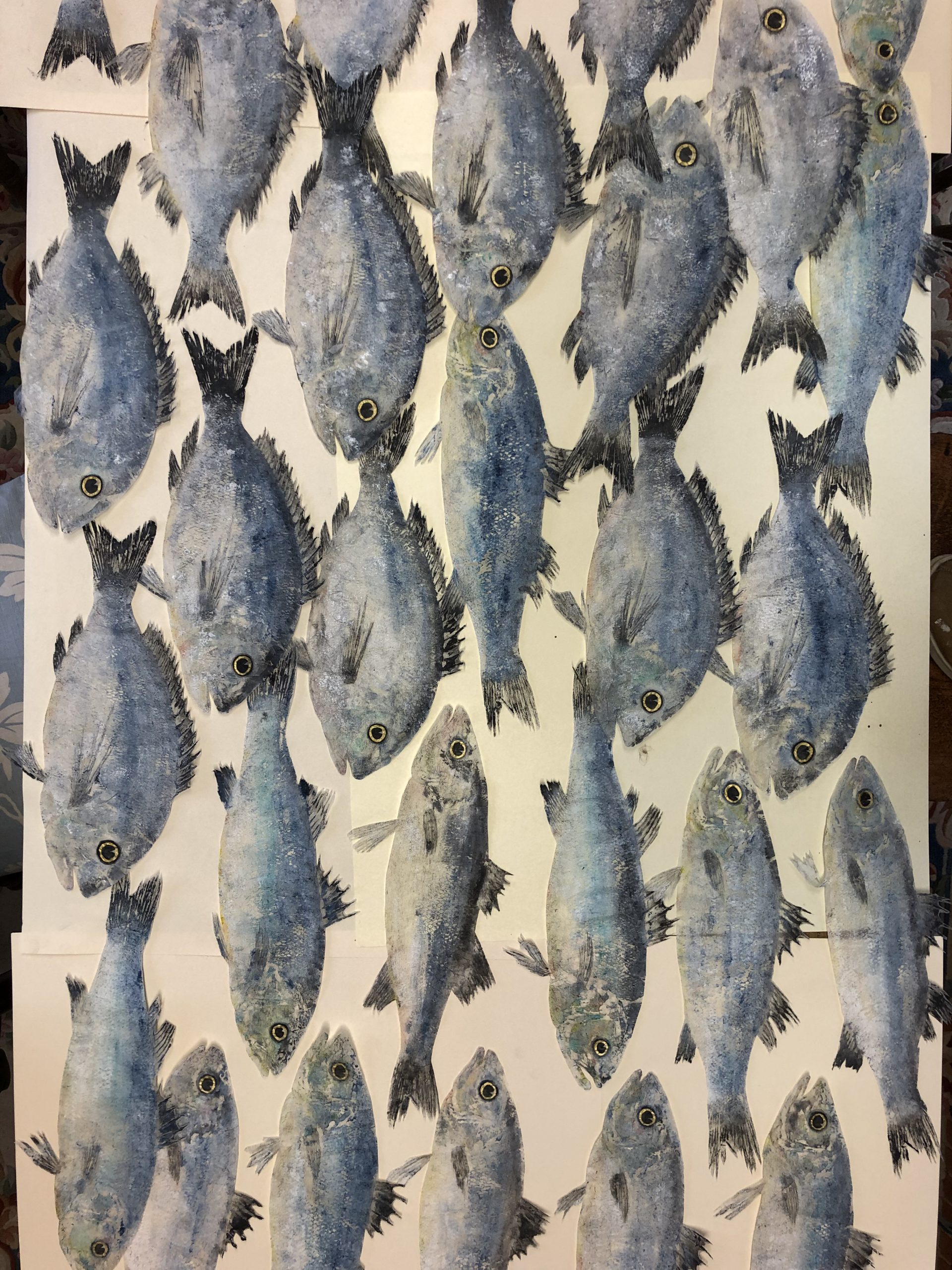
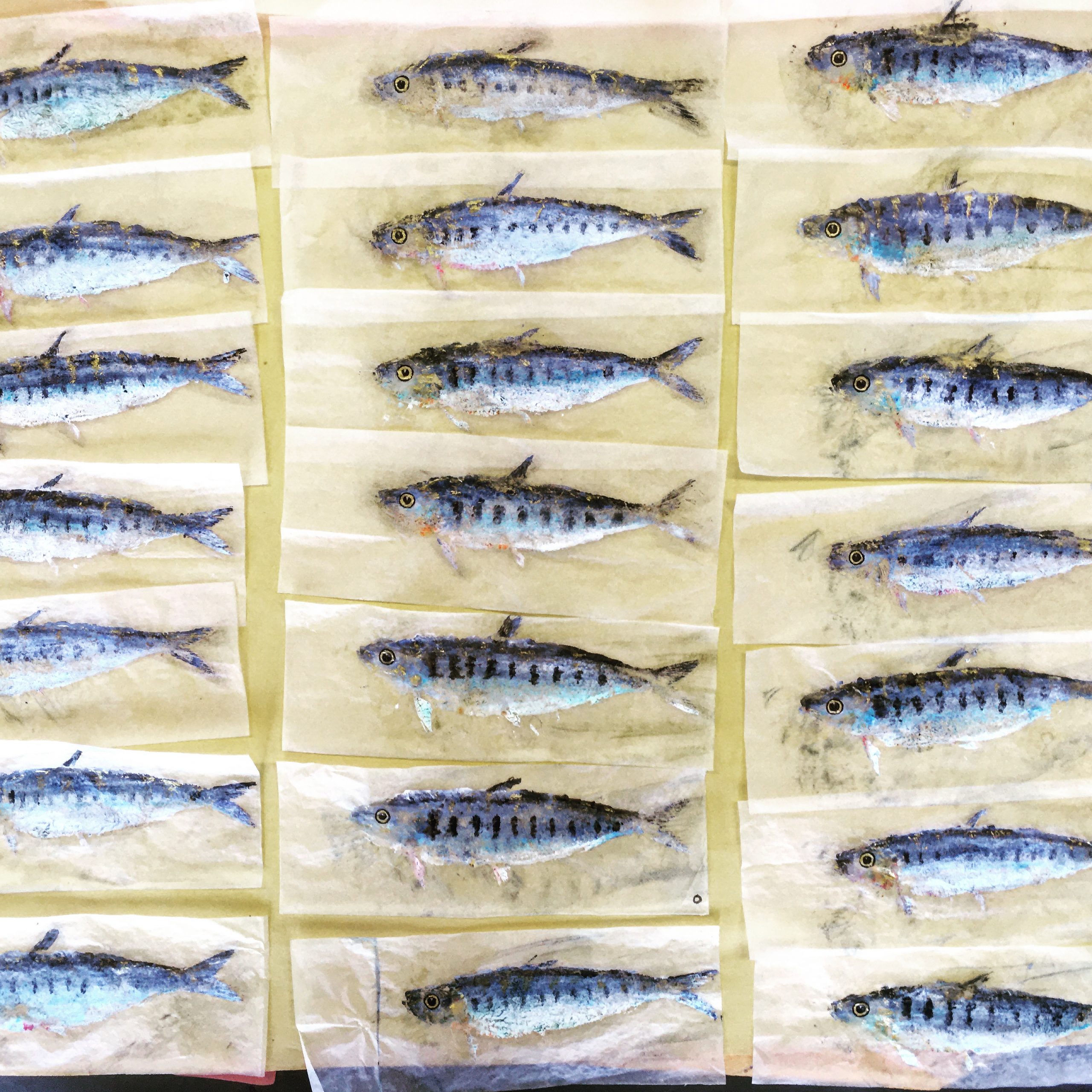
I can take several prints from one fish, often from both sides. Although I have my inks out
ready and use the same colour range for the whole print run, no two images can ever be
identical. The way the
colours merge together, the application of the ink, the temperature,
the resilience of the fish, all affect the outcome. So each print is totally unique, no two can
ever be the same.
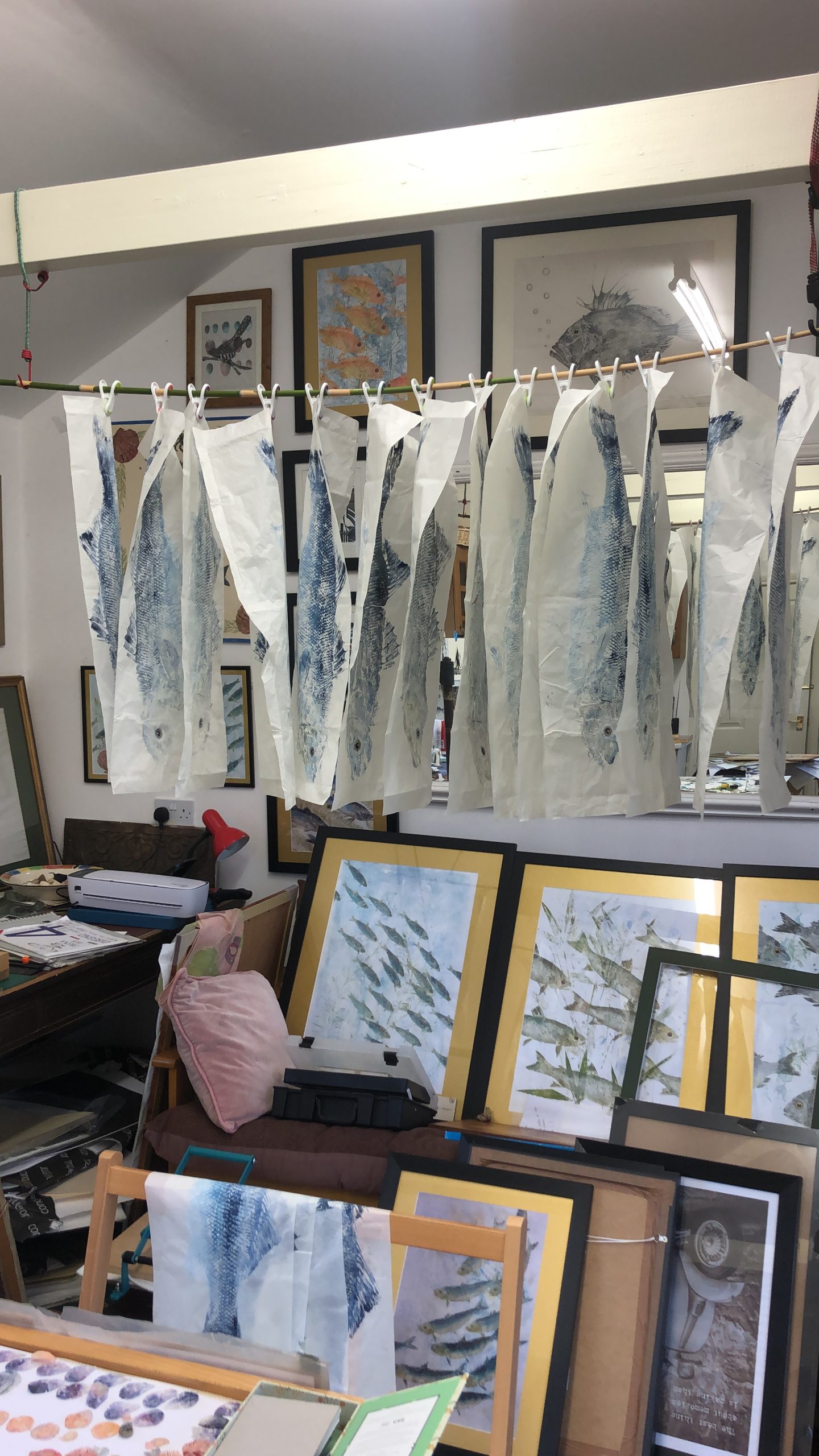
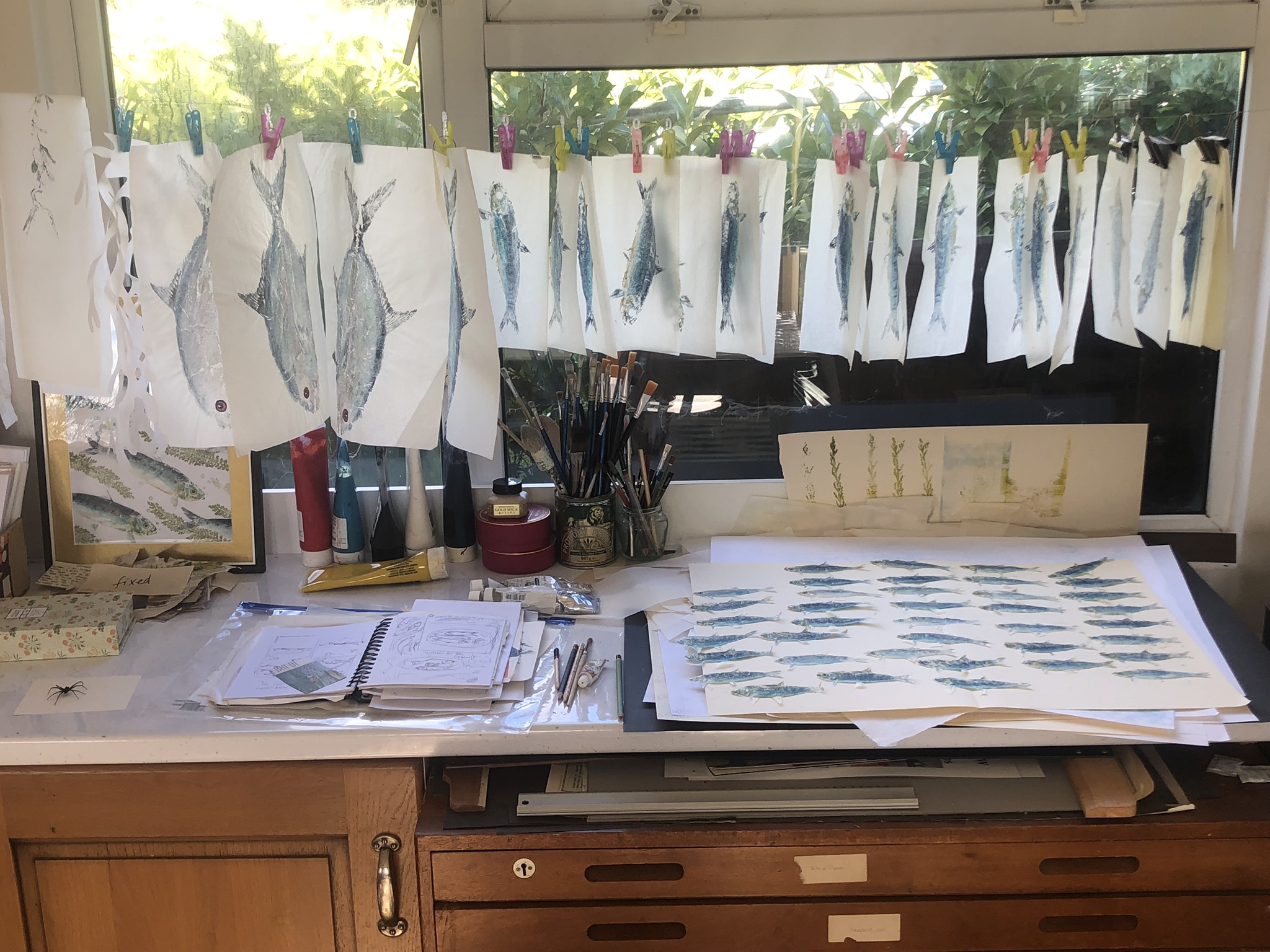
The
prints are hung up to dry and it's a satisfying and productive day if there are many good
ones.
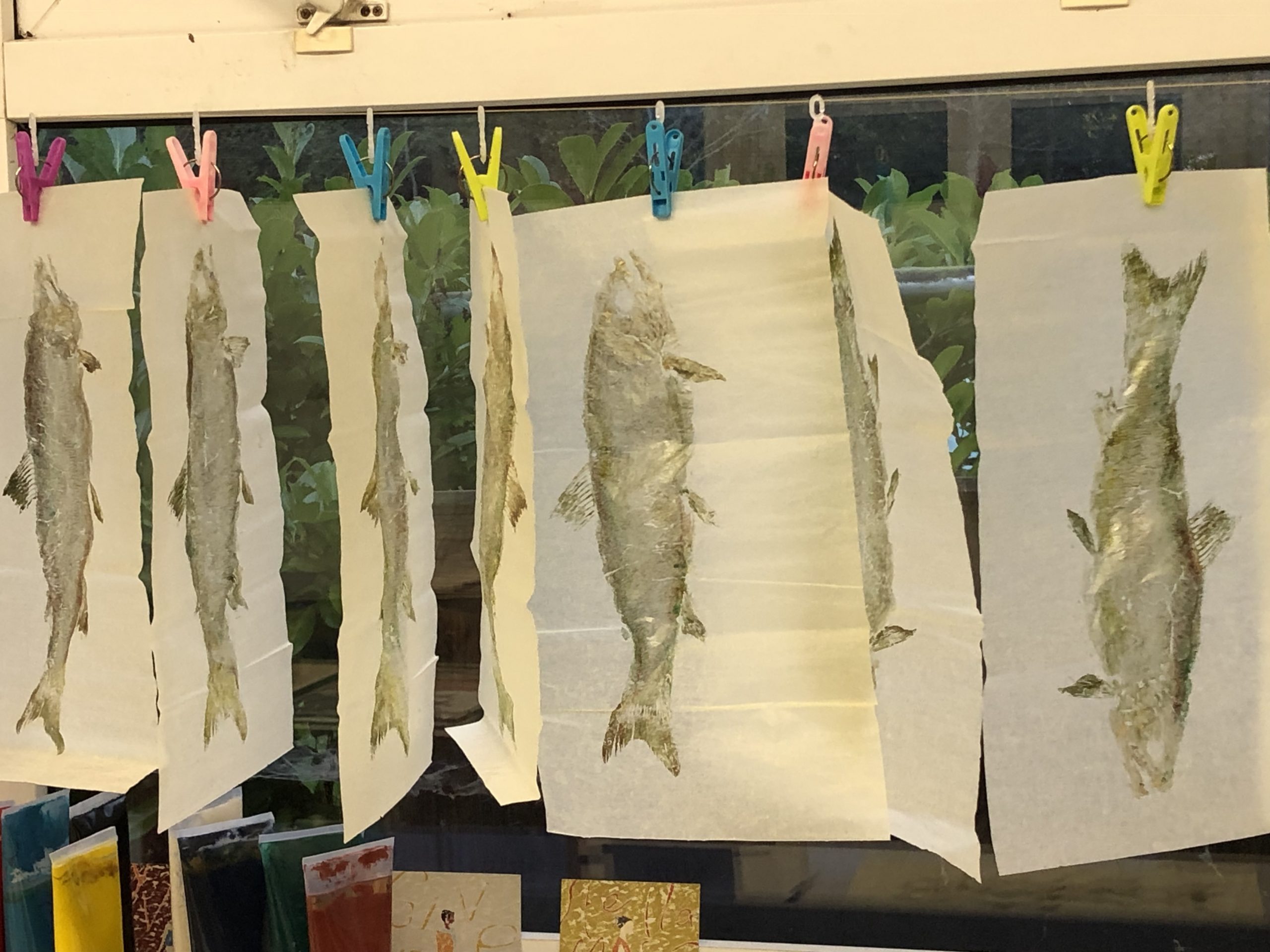
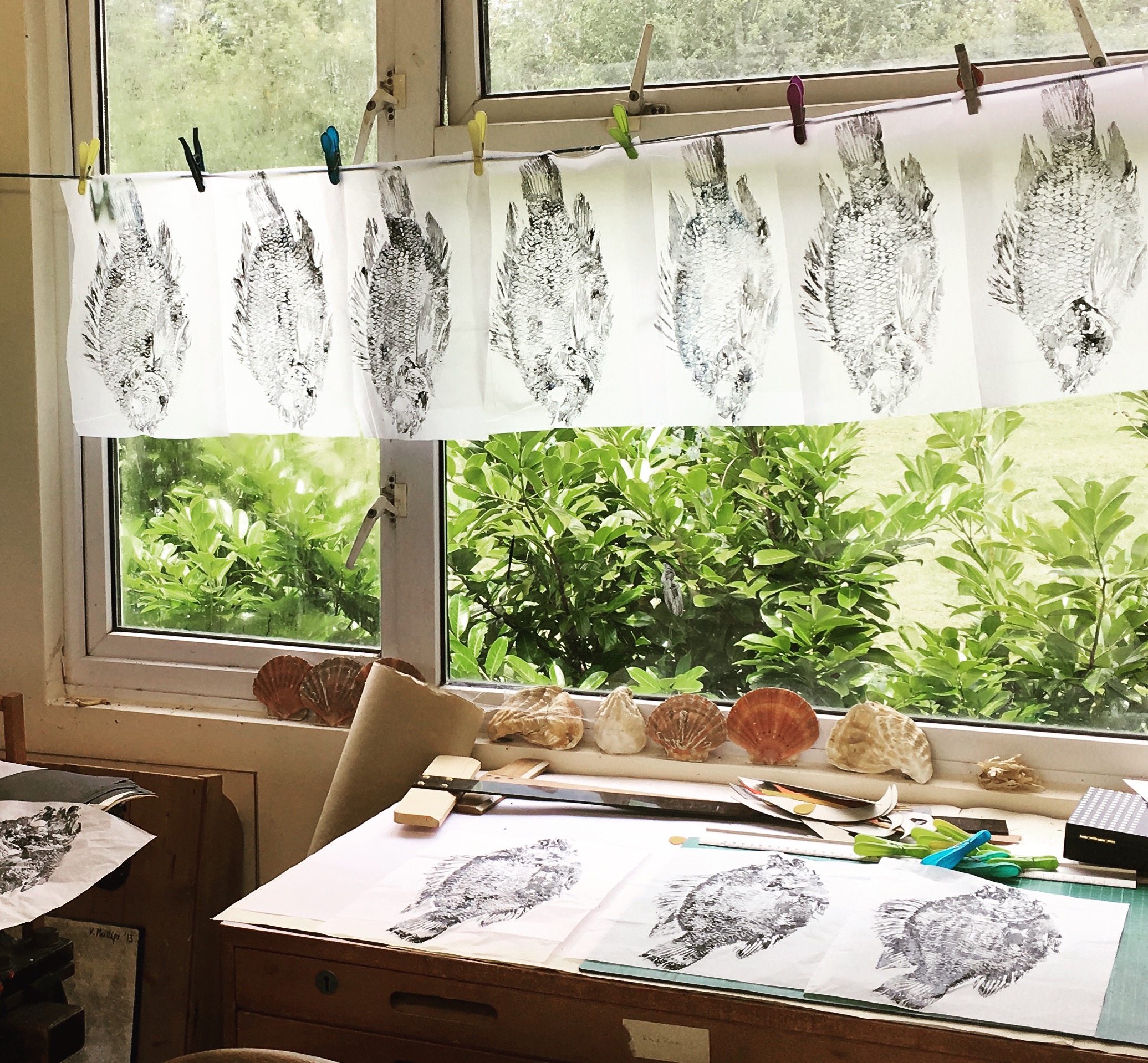
The Ink is then carefully washed off , the fish is thanked for its services and then, as is the
way of all good Gyotaku
printmakers, is eaten for supper (with the exception of the pike....).
In this way the fish has been ‘honoured’ which really is an important part of the process,
after all, the angler, the artist and the art collector all benefit from the process.
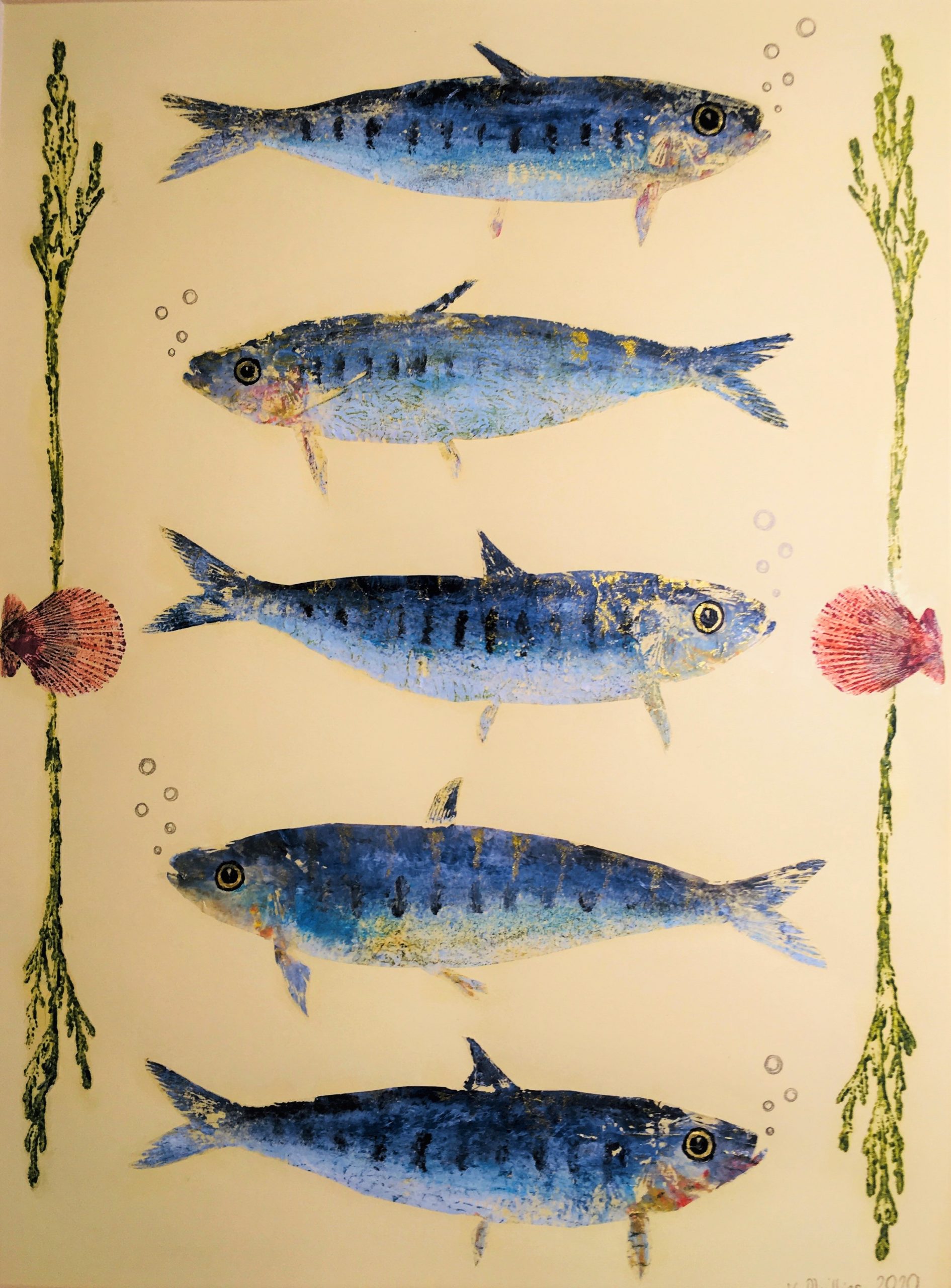
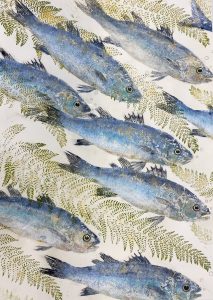
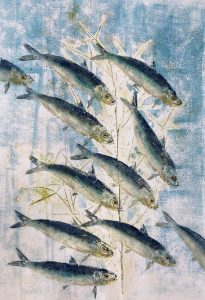
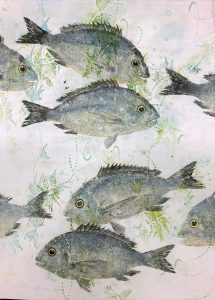
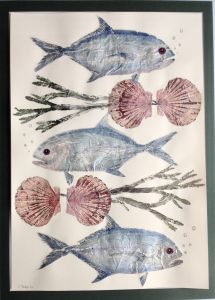
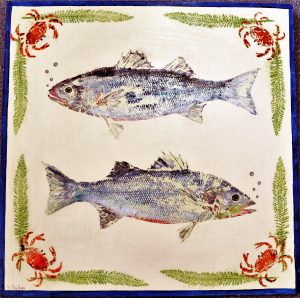
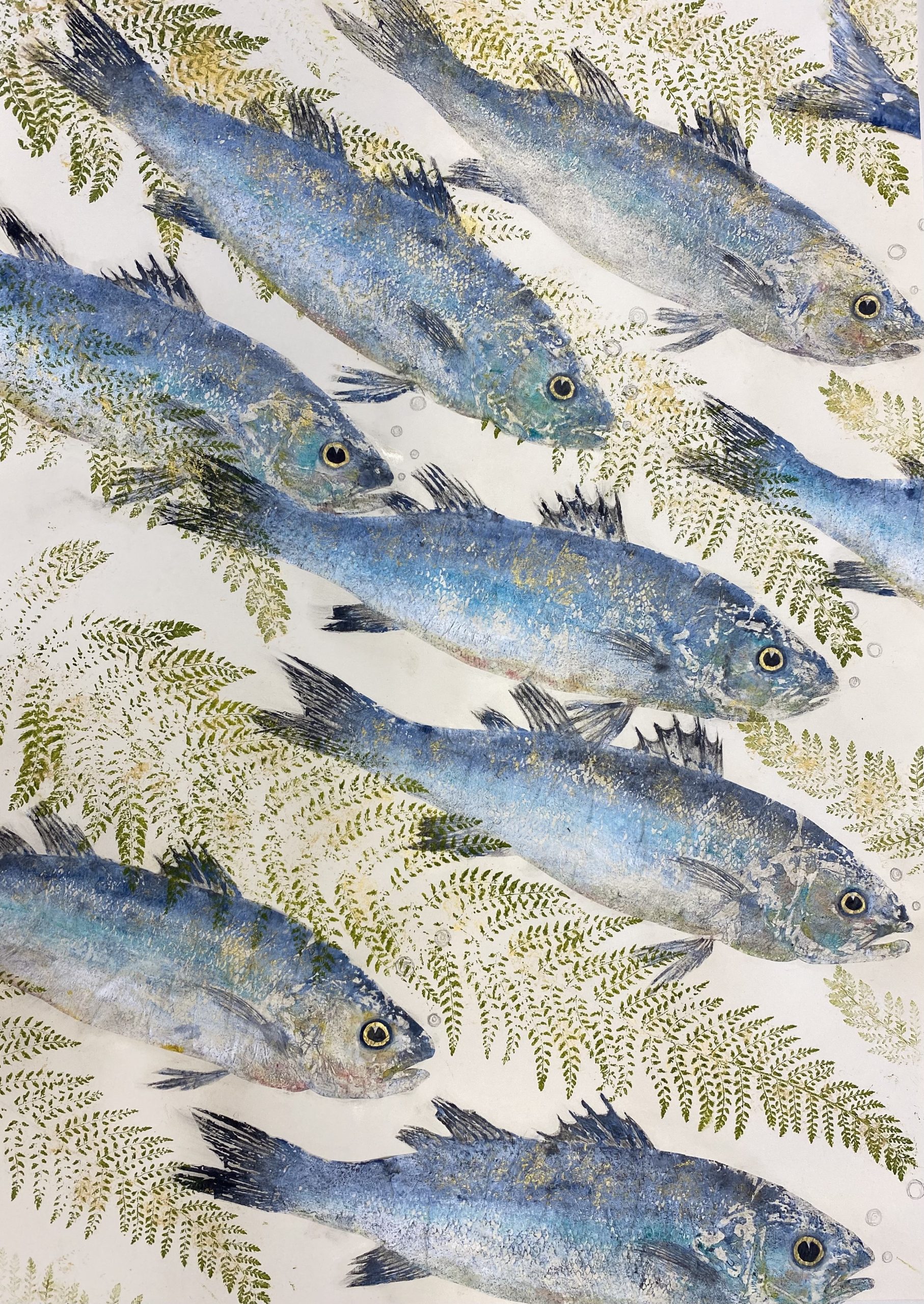
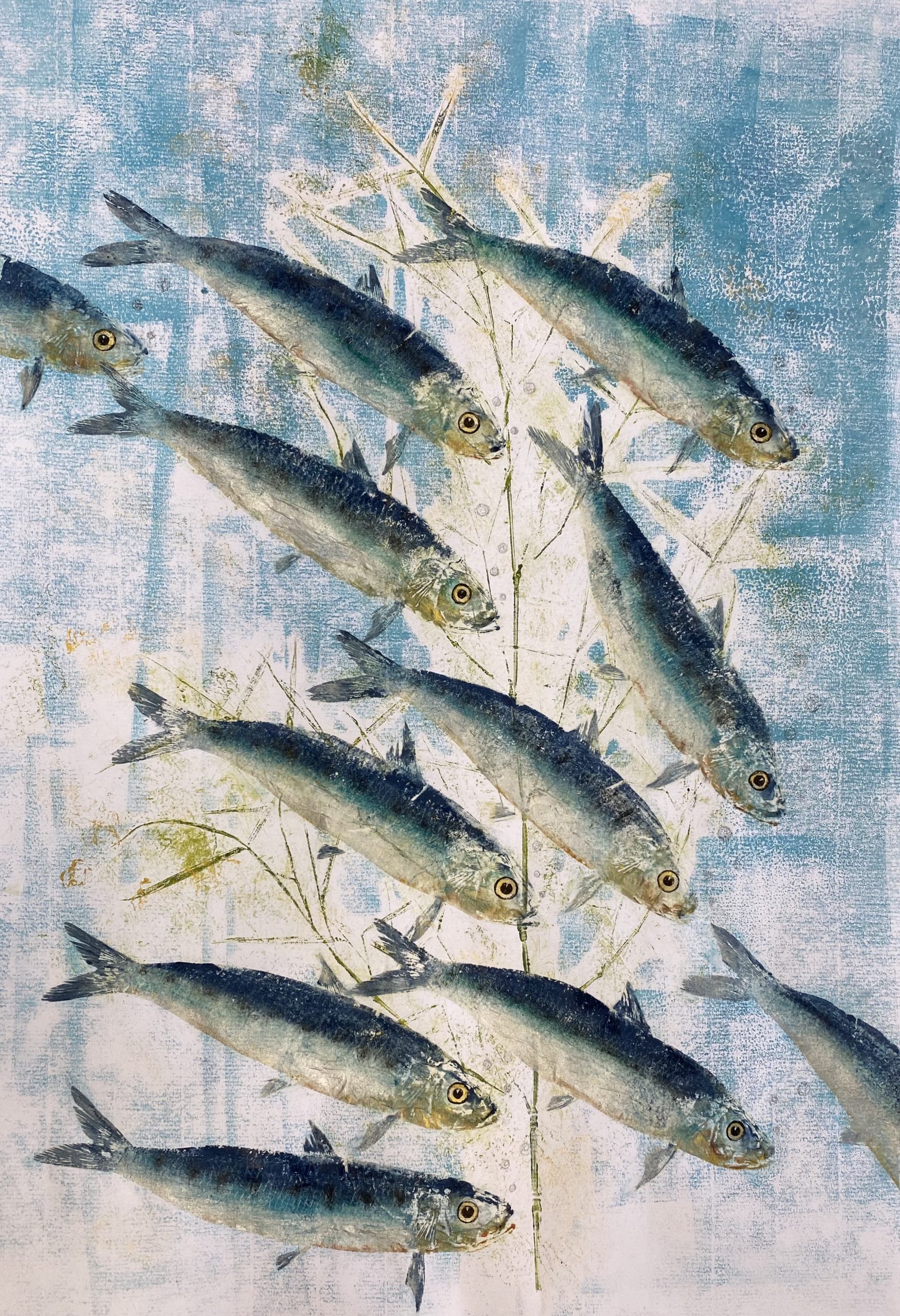
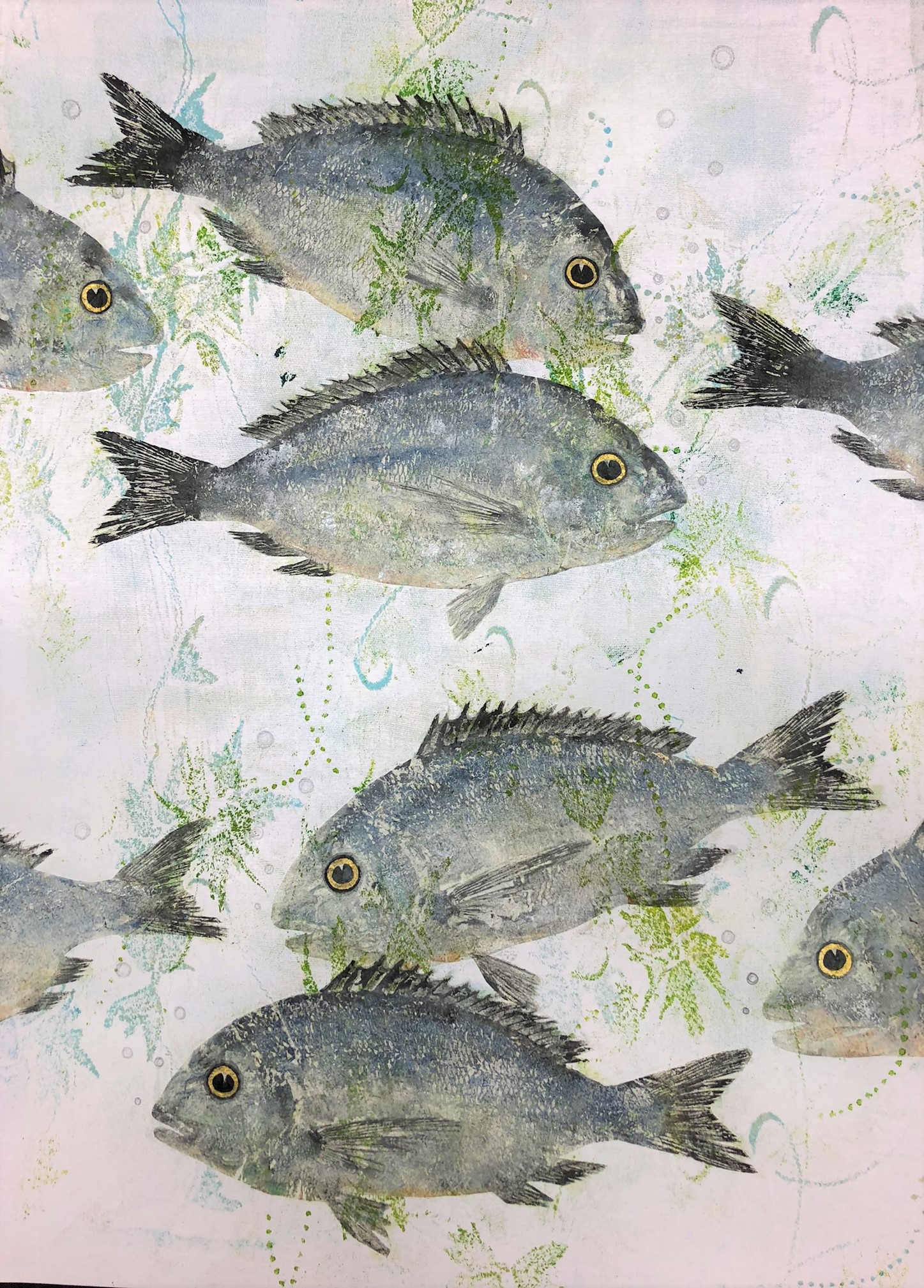
Click on the tabs to view examples of my Gyotaku artwork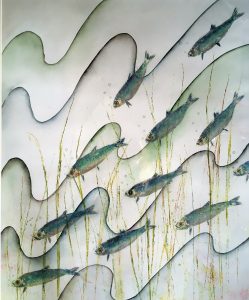
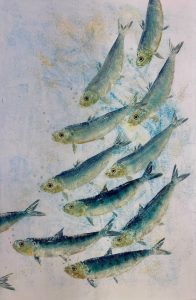
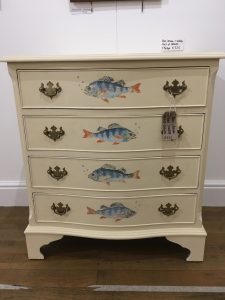
Digital reproductions
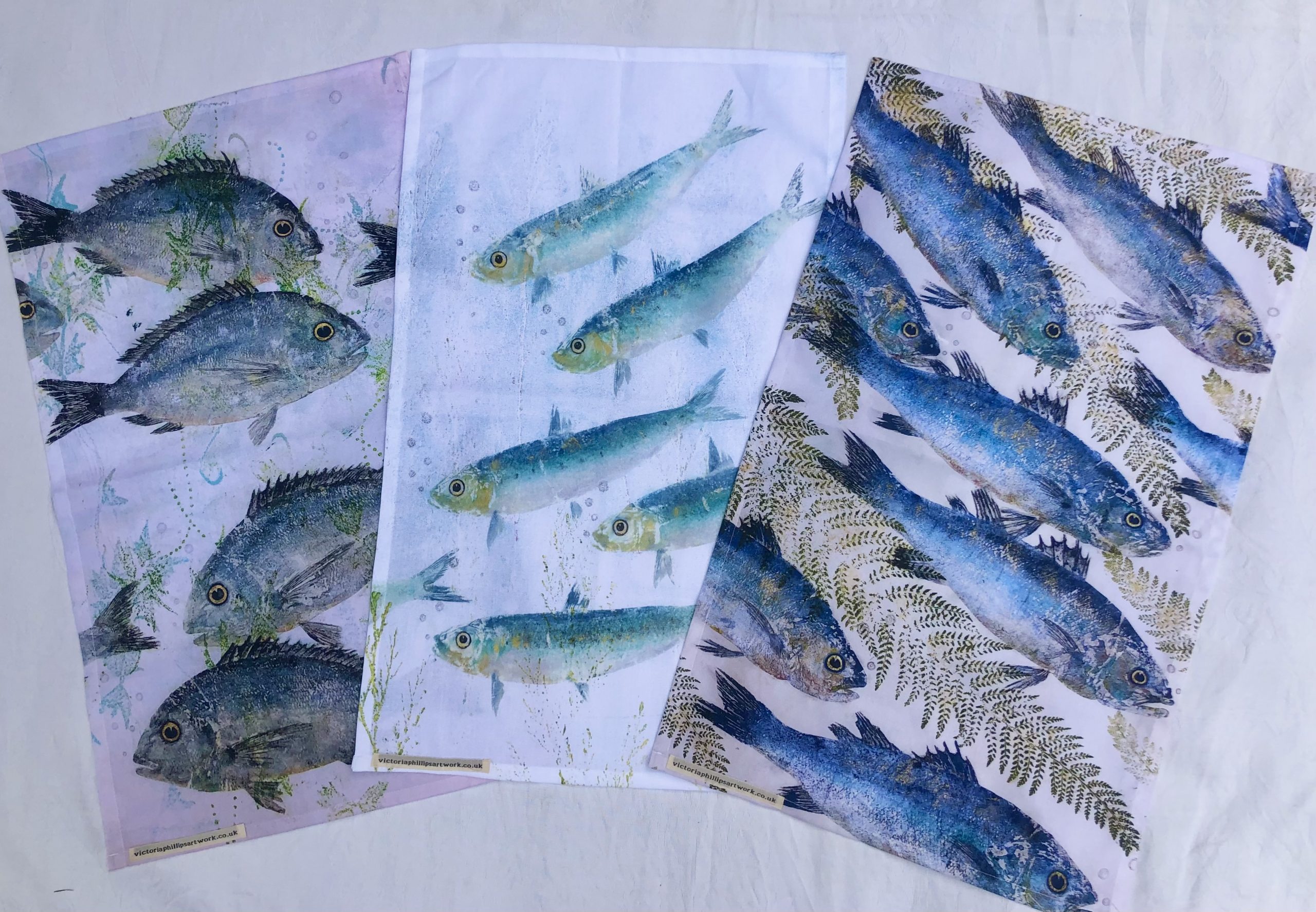
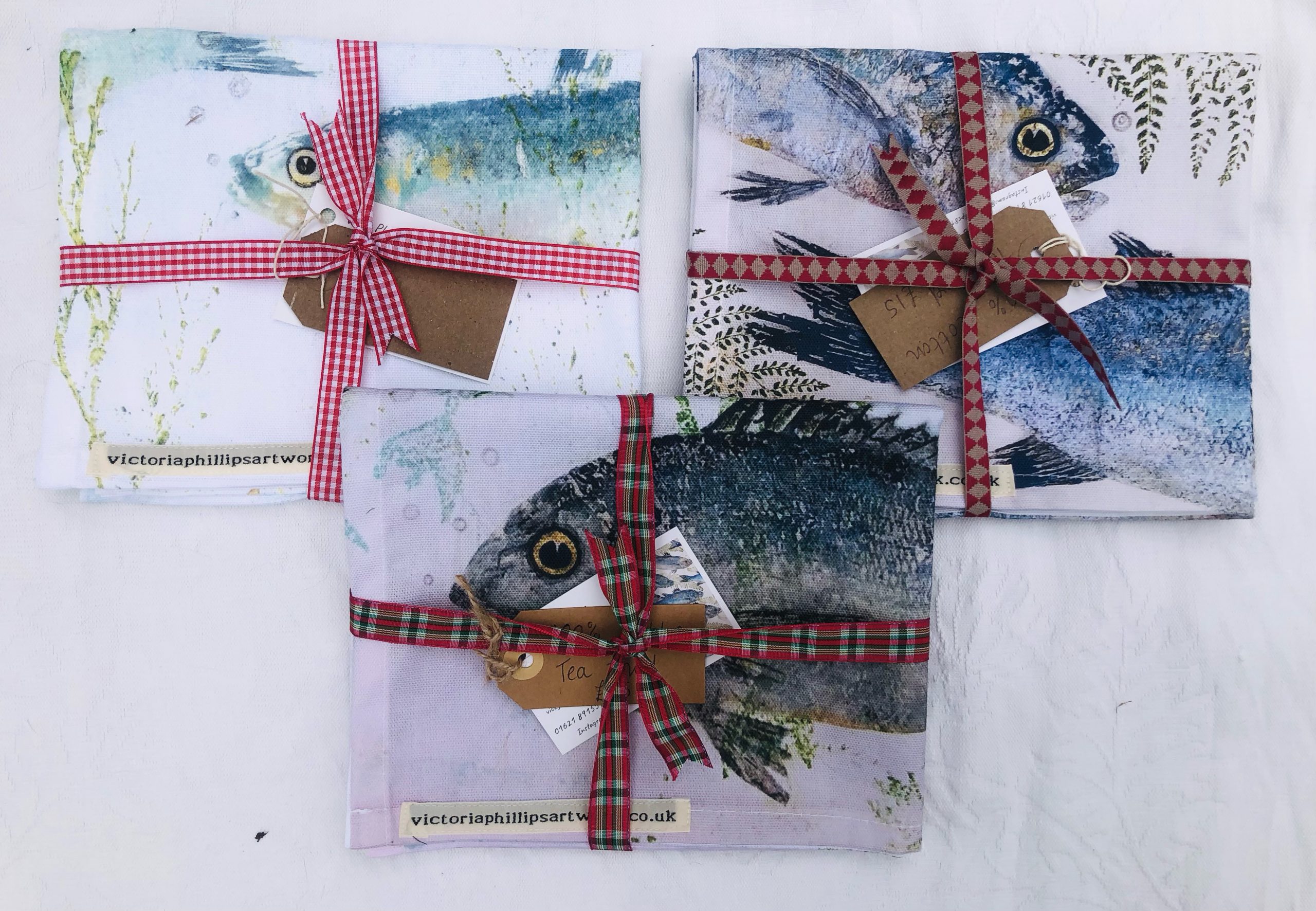
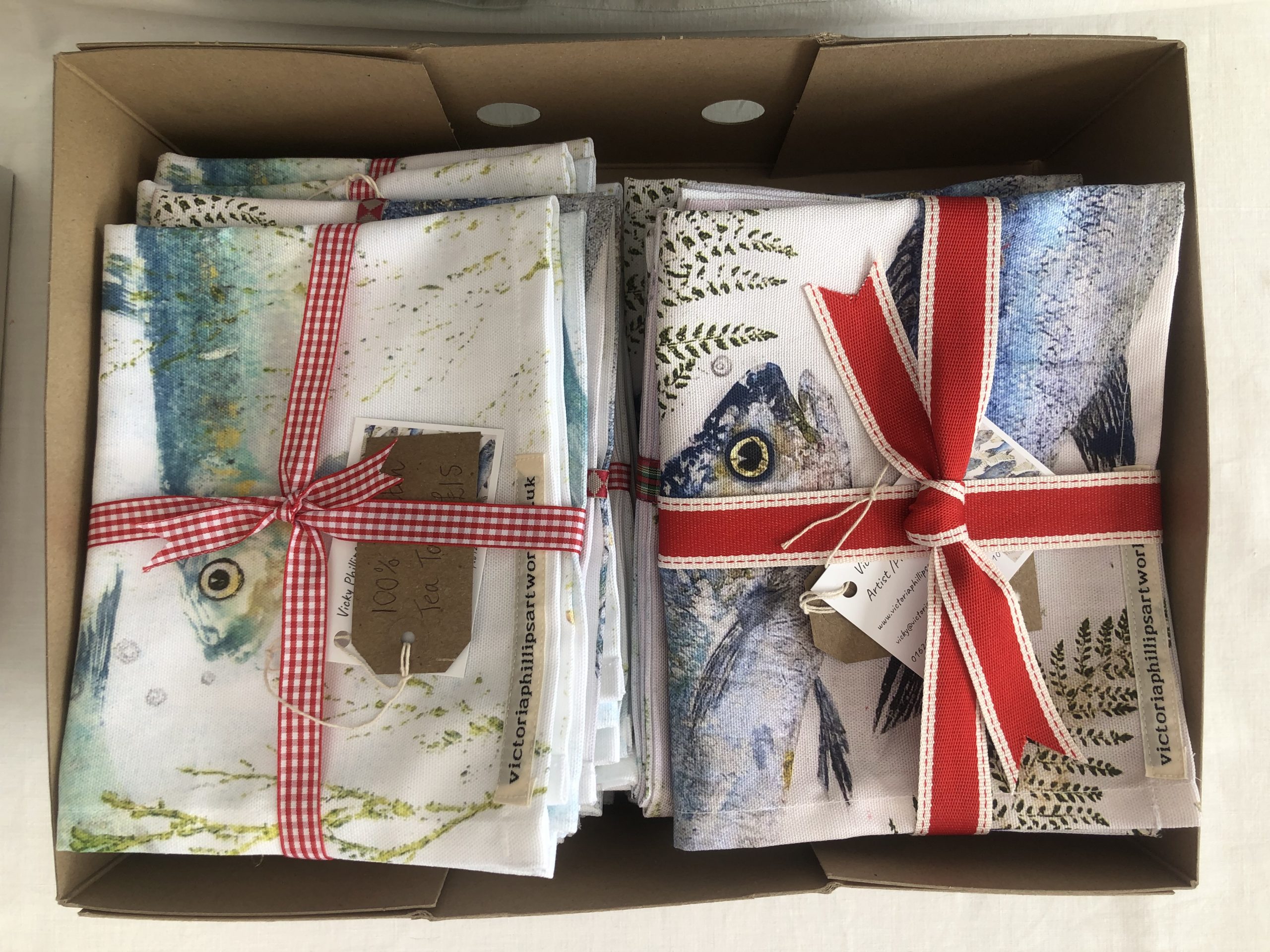
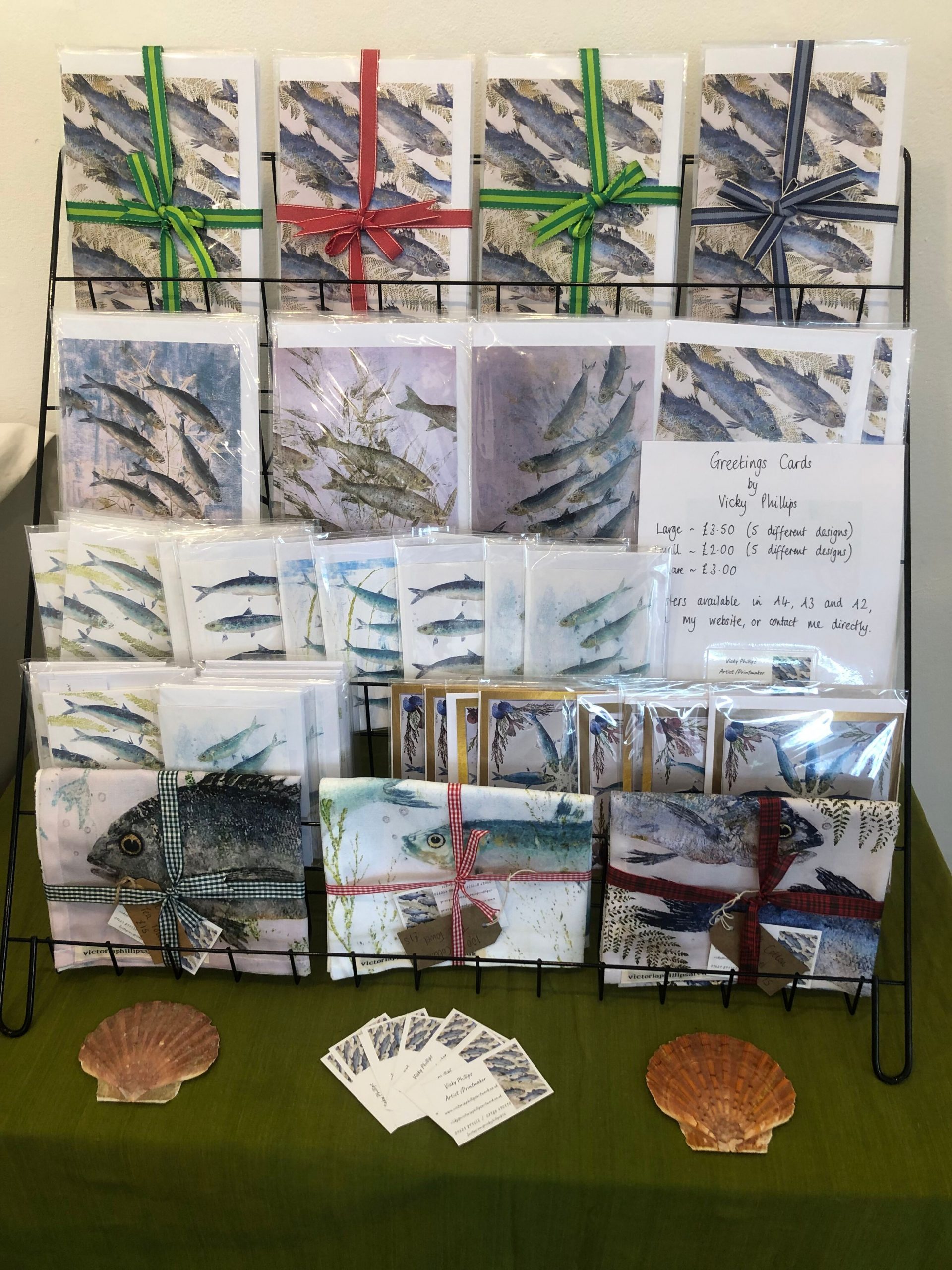
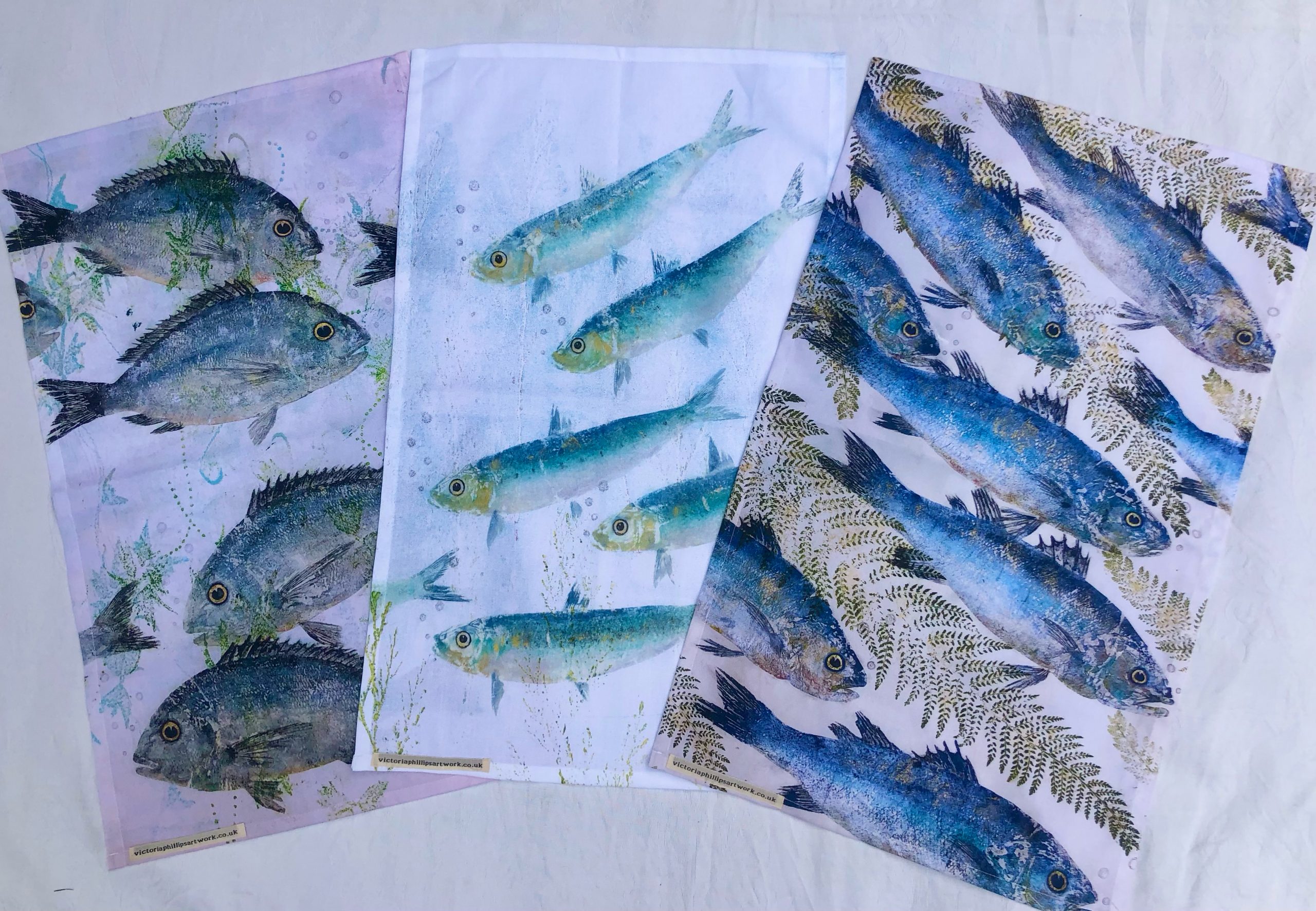
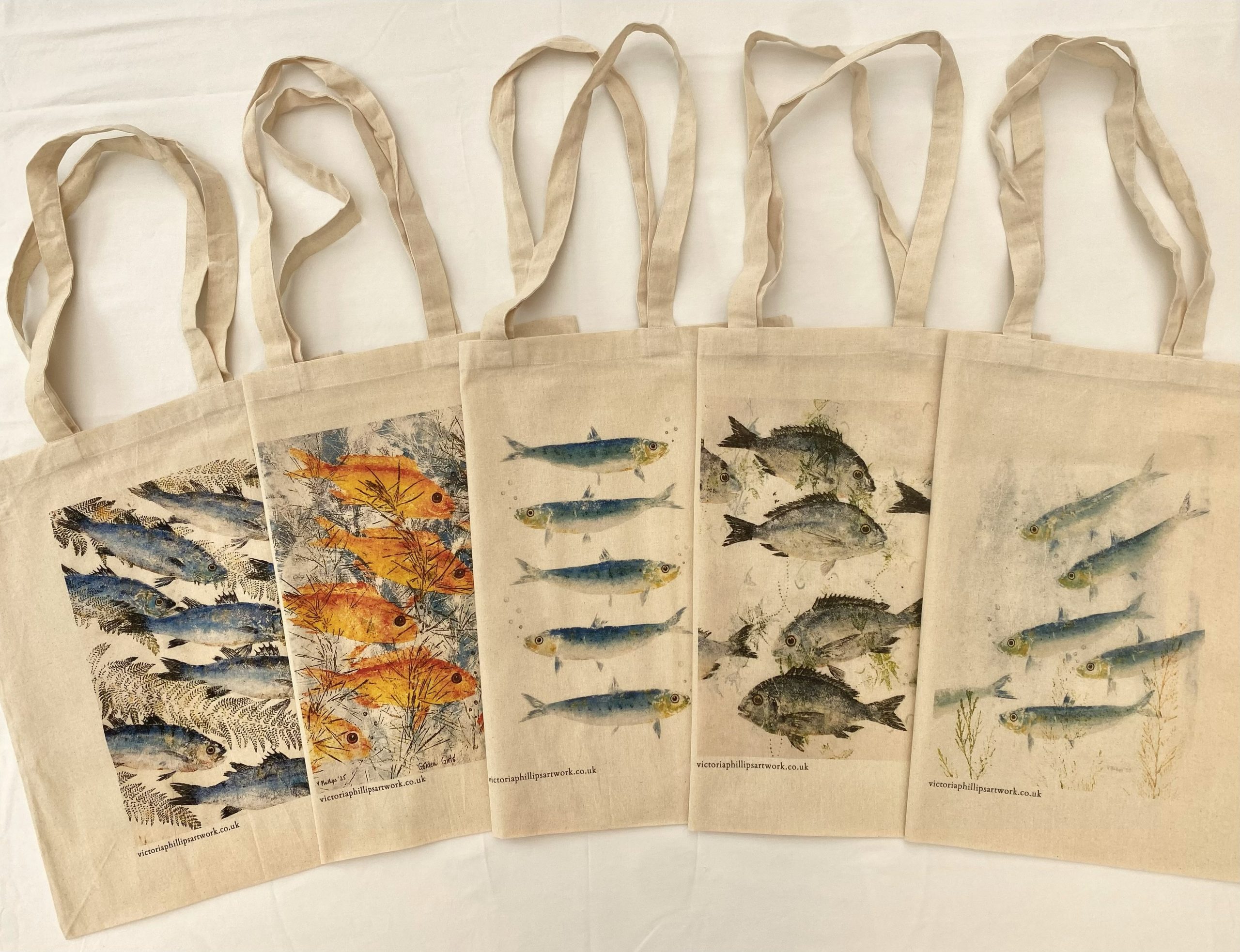
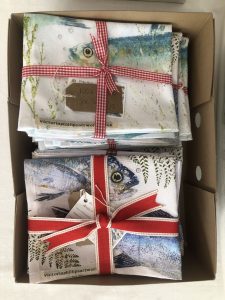
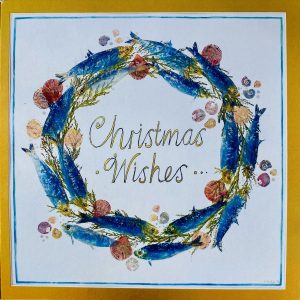
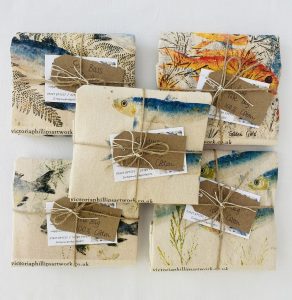
Visit the shop to purchase greetings cards and posters, which come in a range of sizes. Cards are sold singularly and in packs. Posters are shipped in cardboard tubes to ensure they arrive in perfect condition. Also currently available are 100% organic cotton tea towels and tote bags featuring my designs. Perfect for Christmas gifts and stocking filllers!
.
.
Face prints
A few years ago I started to wonder how the process of making a Gyotaku print could be applied to a human specimen……
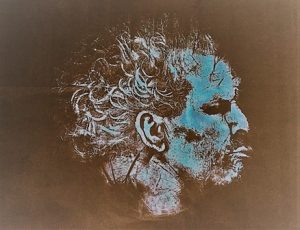
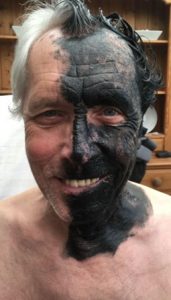
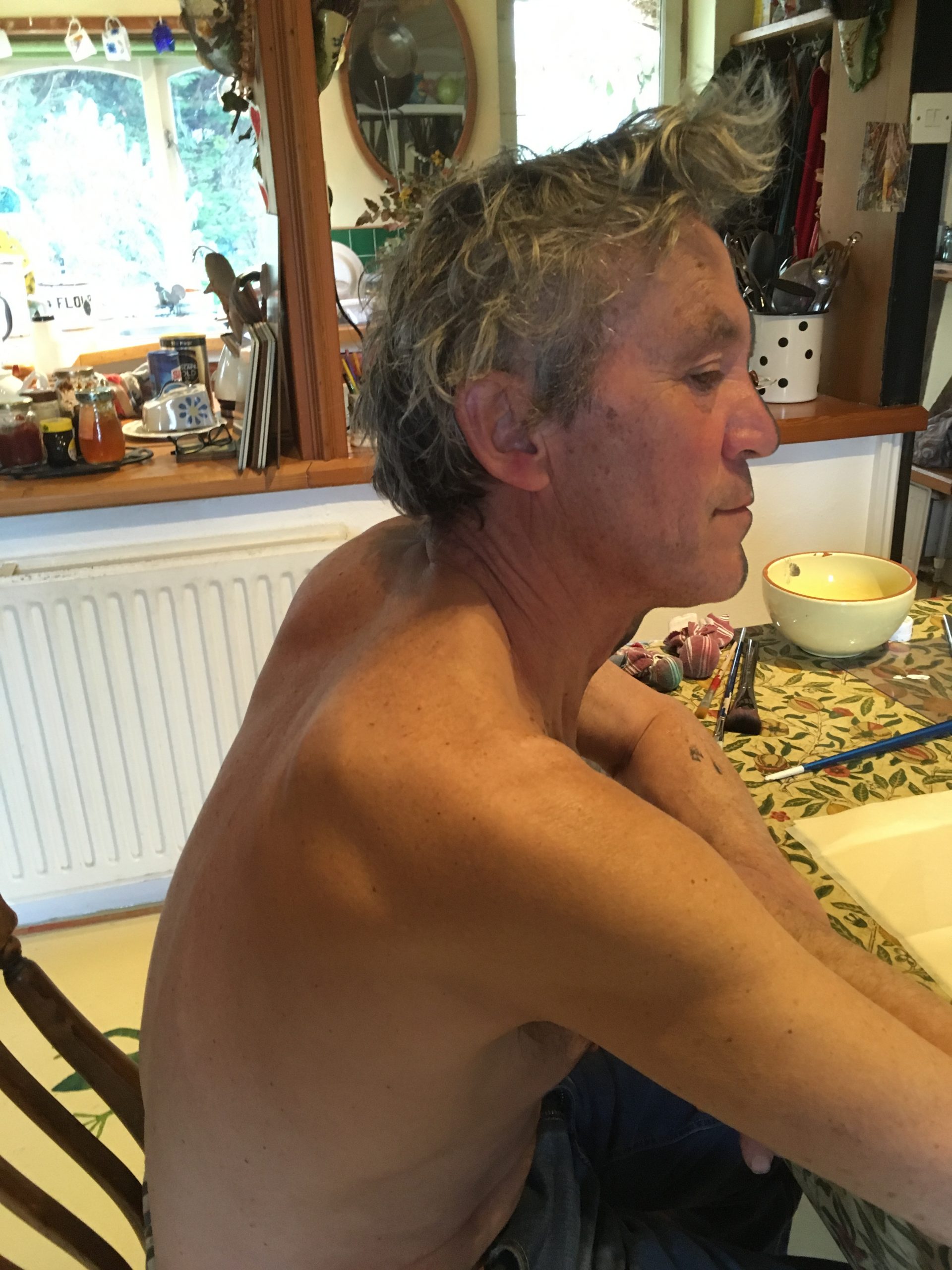
The best fish to print are the scaliest, those with a good surface texture. So when applying this theory to humans I knew that smooth skinned models wouldn't be so good… I needed laughter lines, eyes wrinkled by smiling, comfortably worn and loved faces full of character. (wrinkles and hair just doesn't sound so appealing….!) So… my first victim, my long suffering and patient husband Nick. Here he is inked up and ready to go…. Same inks, same process, same paper, (thanked afterwards, but unlike the fish, not eaten).
The best fish to print are the scaliest, those with a good surface texture. So when applying this theory to humans I knew that smooth skinned models wouldn't be so good… I needed laughter lines, eyes wrinkled by smiling, comfortably worn and loved faces full of character. (wrinkles and hair just doesn't sound so appealing….!) So… my first victim, my long suffering and patient husband Nick. Here he is inked up and ready to go…. Same inks, same process, same paper, (thanked afterwards, but unlike the fish, not eaten).
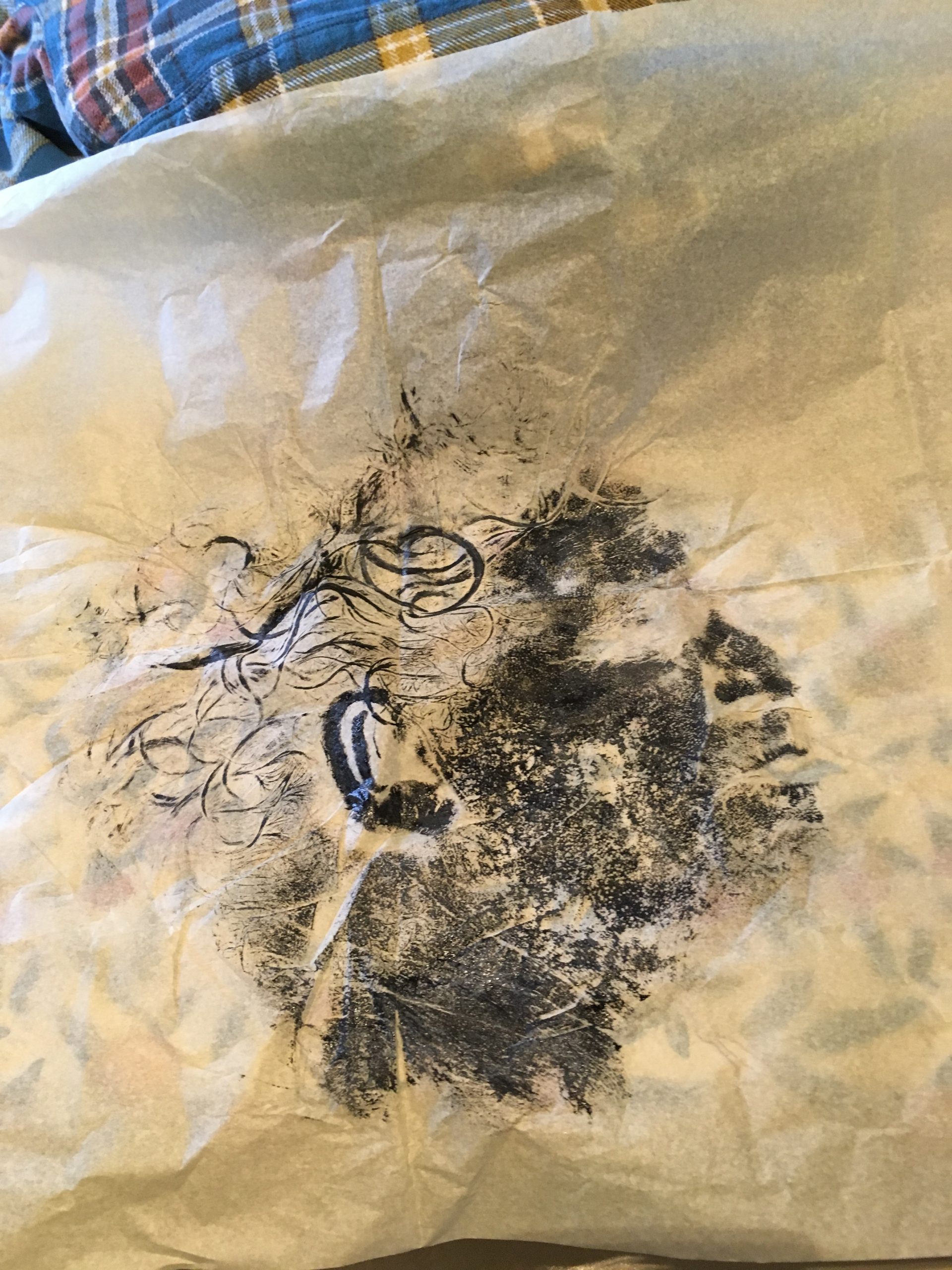
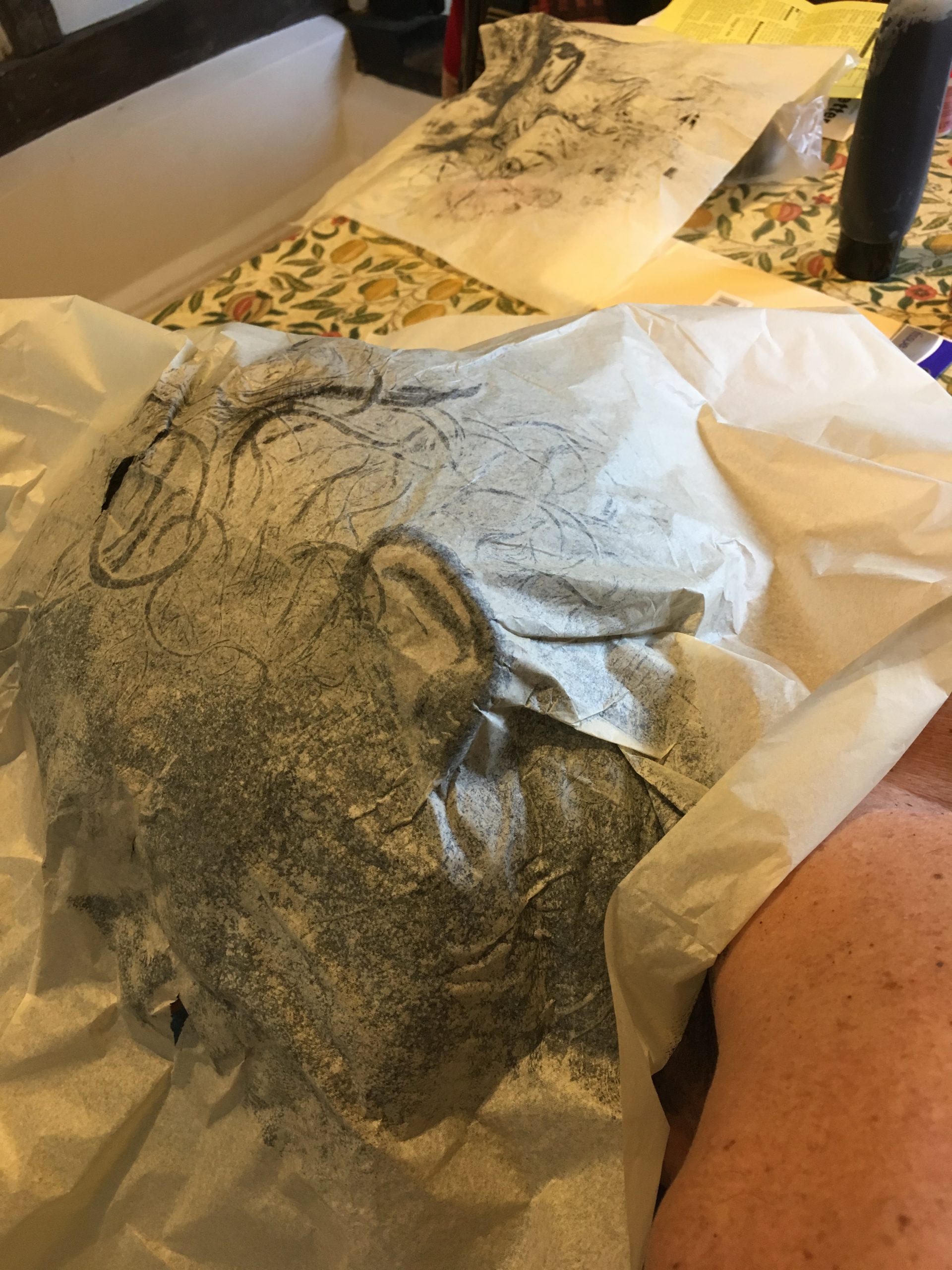
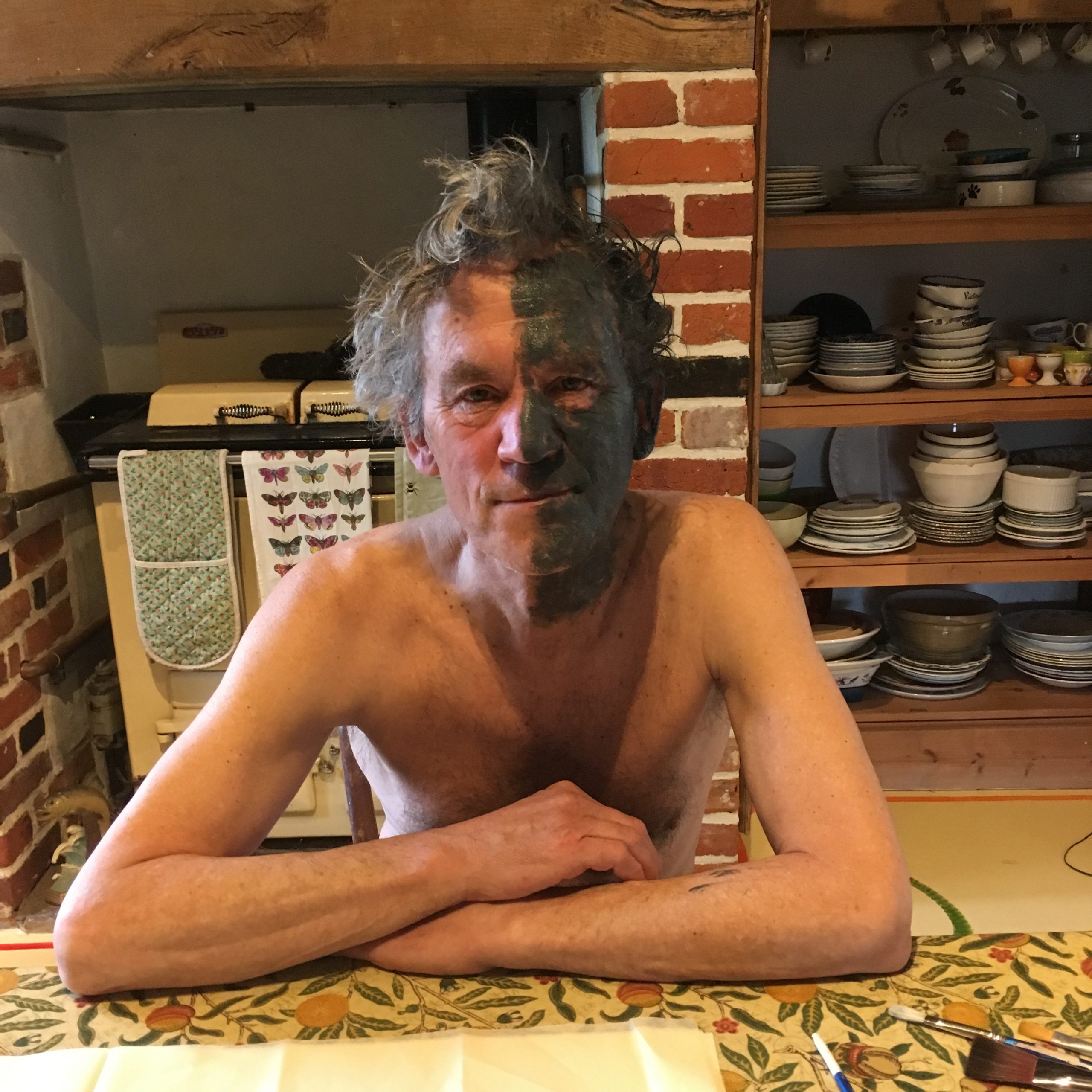
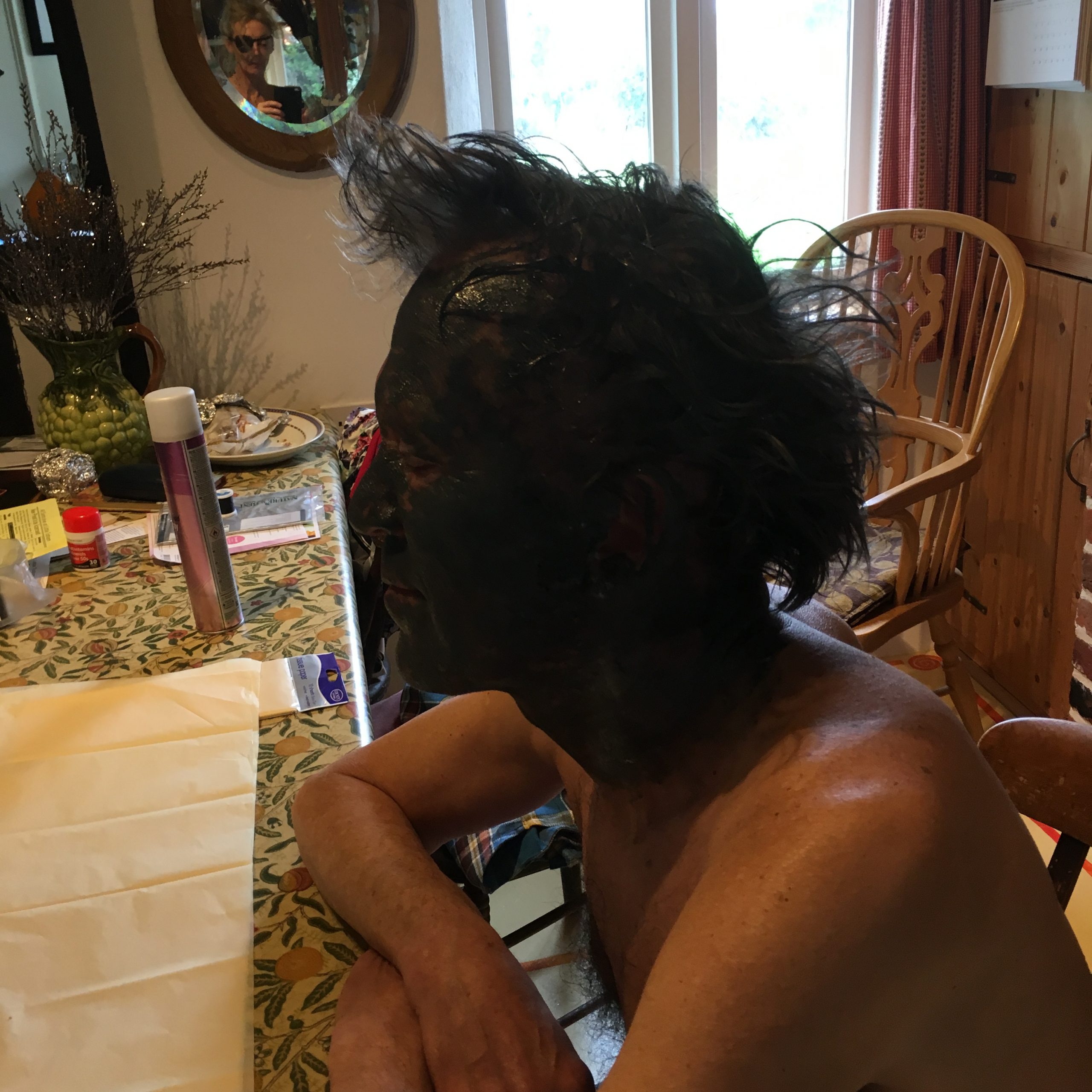
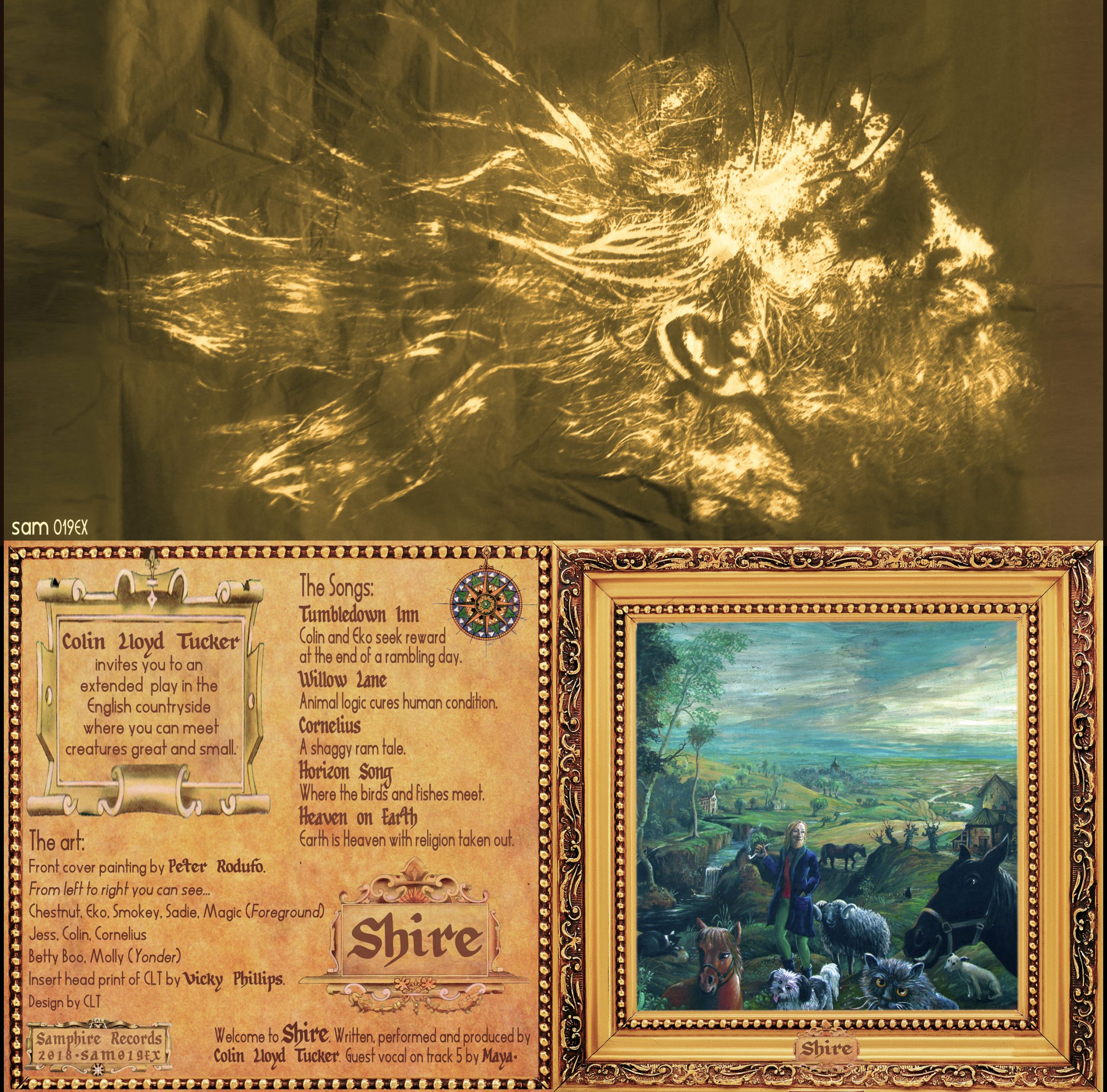
I experimented with editing his prints digitally, applying different colour filters, one of which he used on the cover of his album 'Shire'. www.colinlloydtucker.com
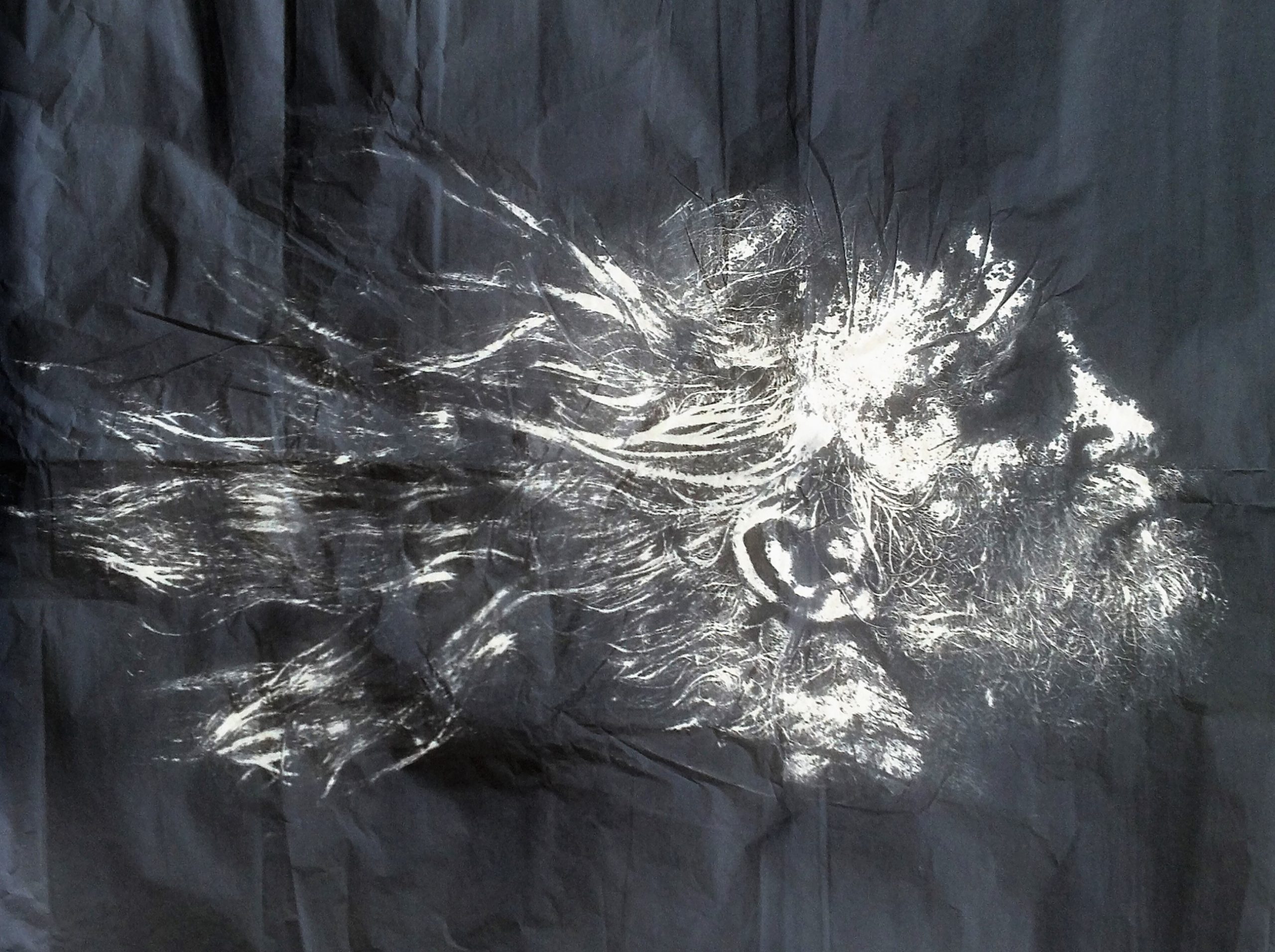
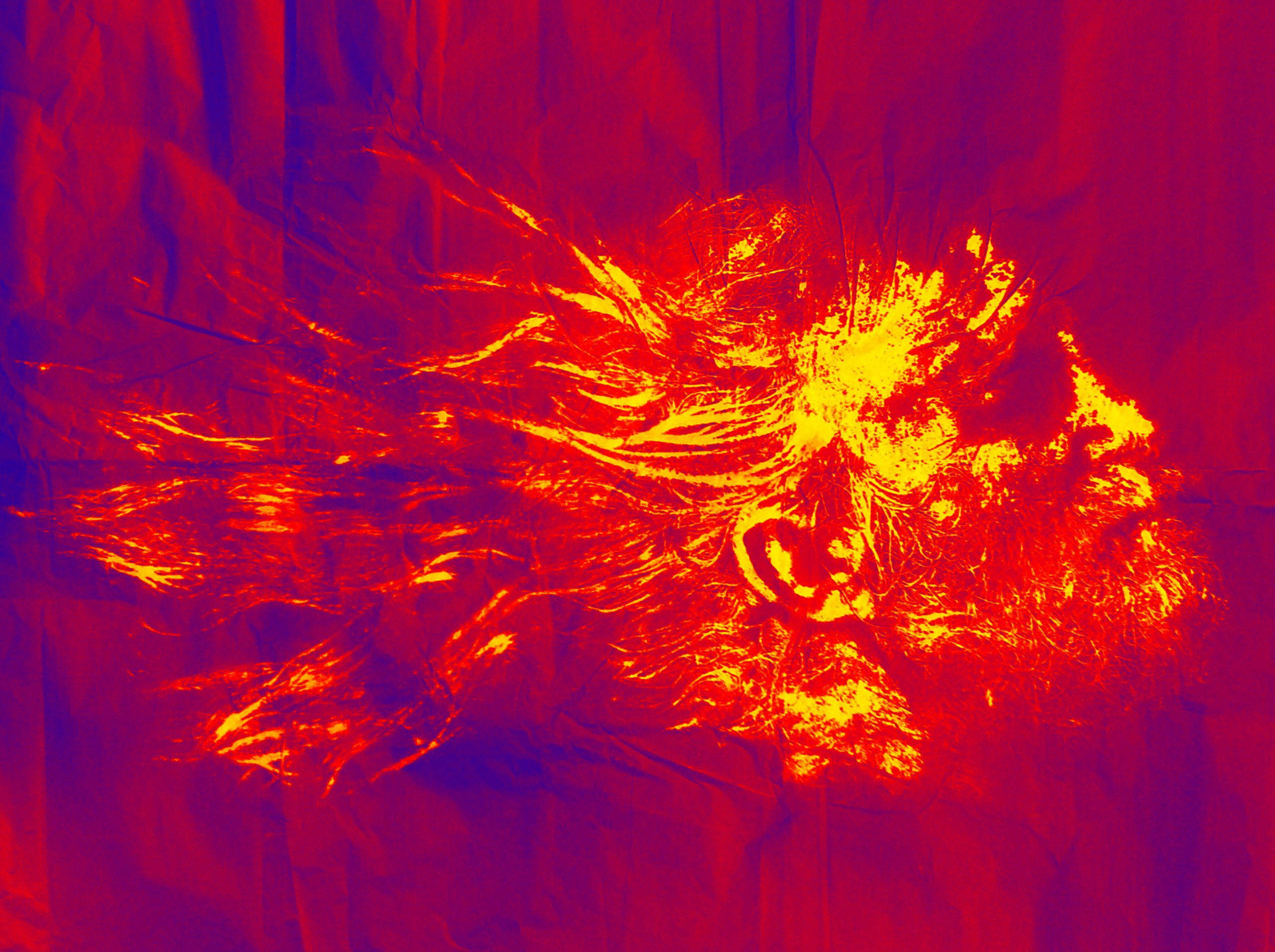
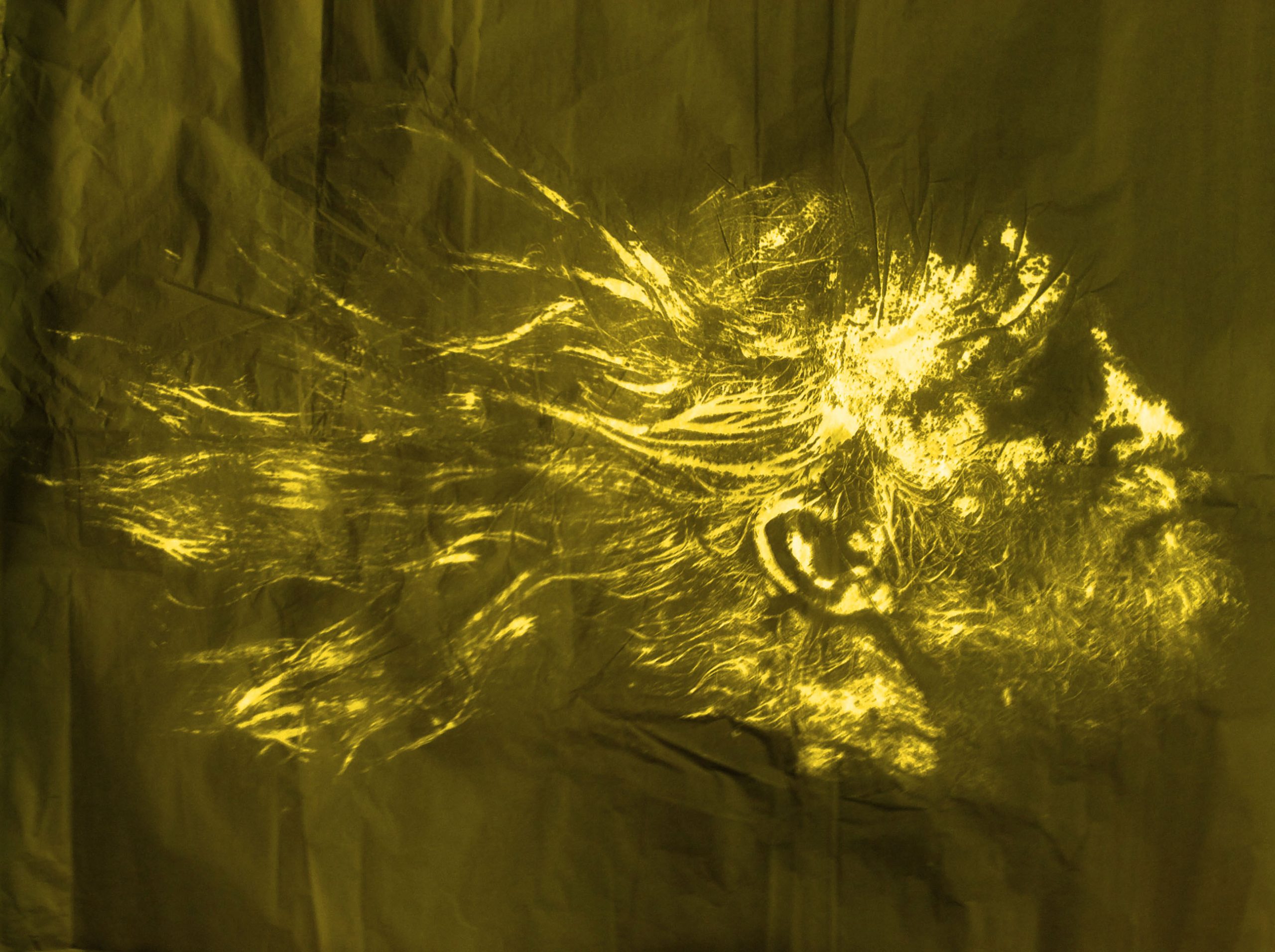
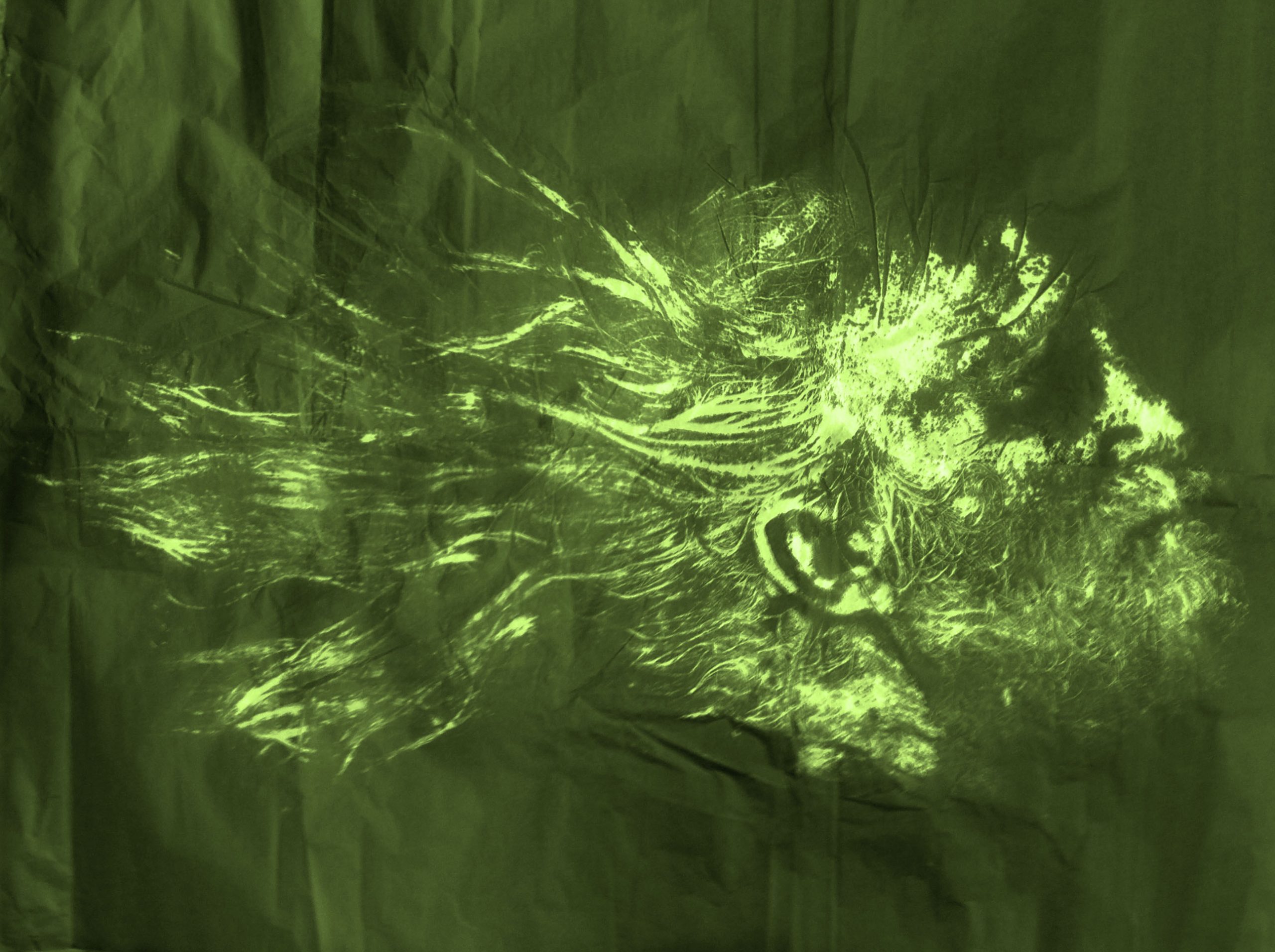
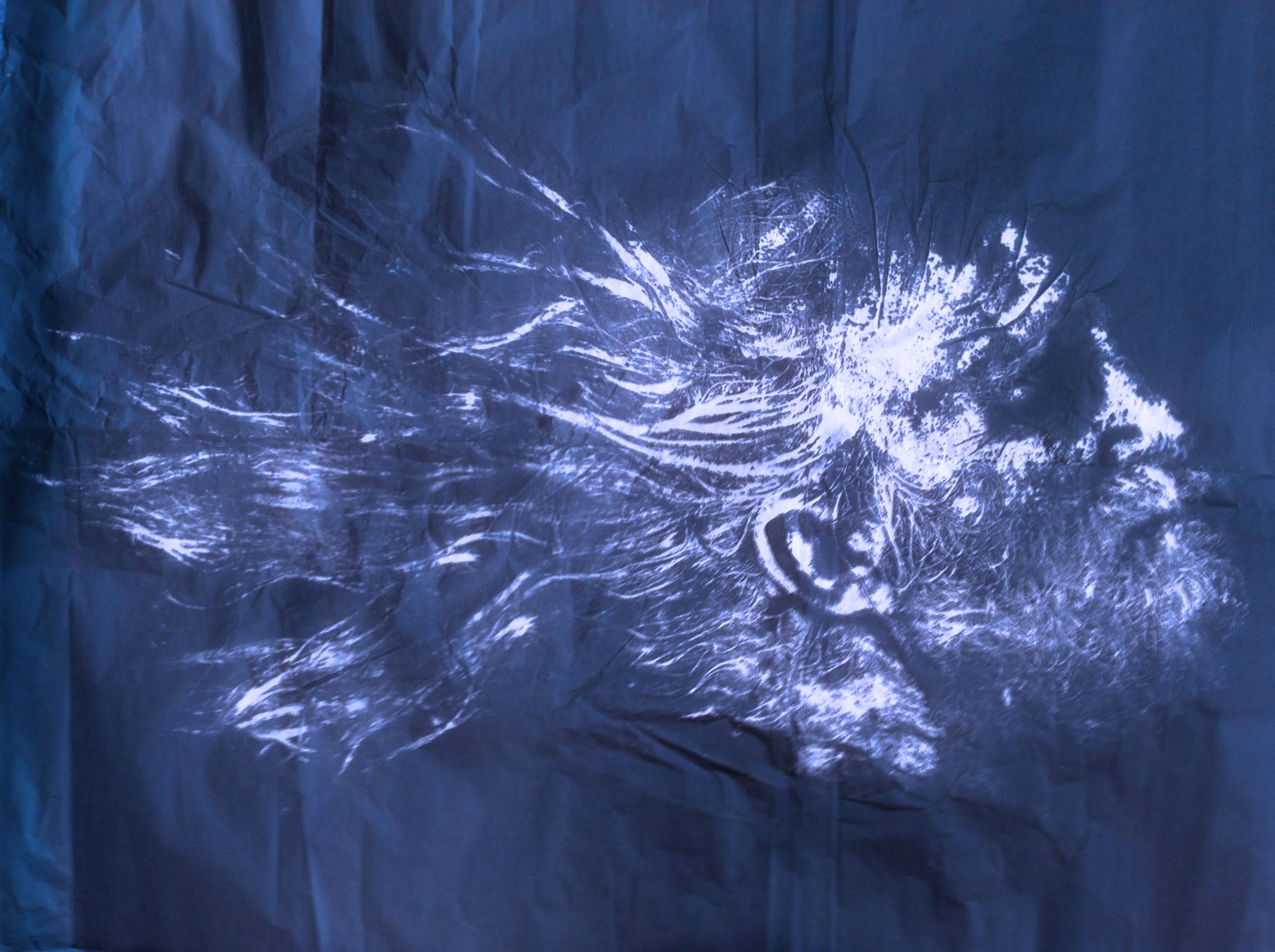
Click on the images to view the full whole picture.
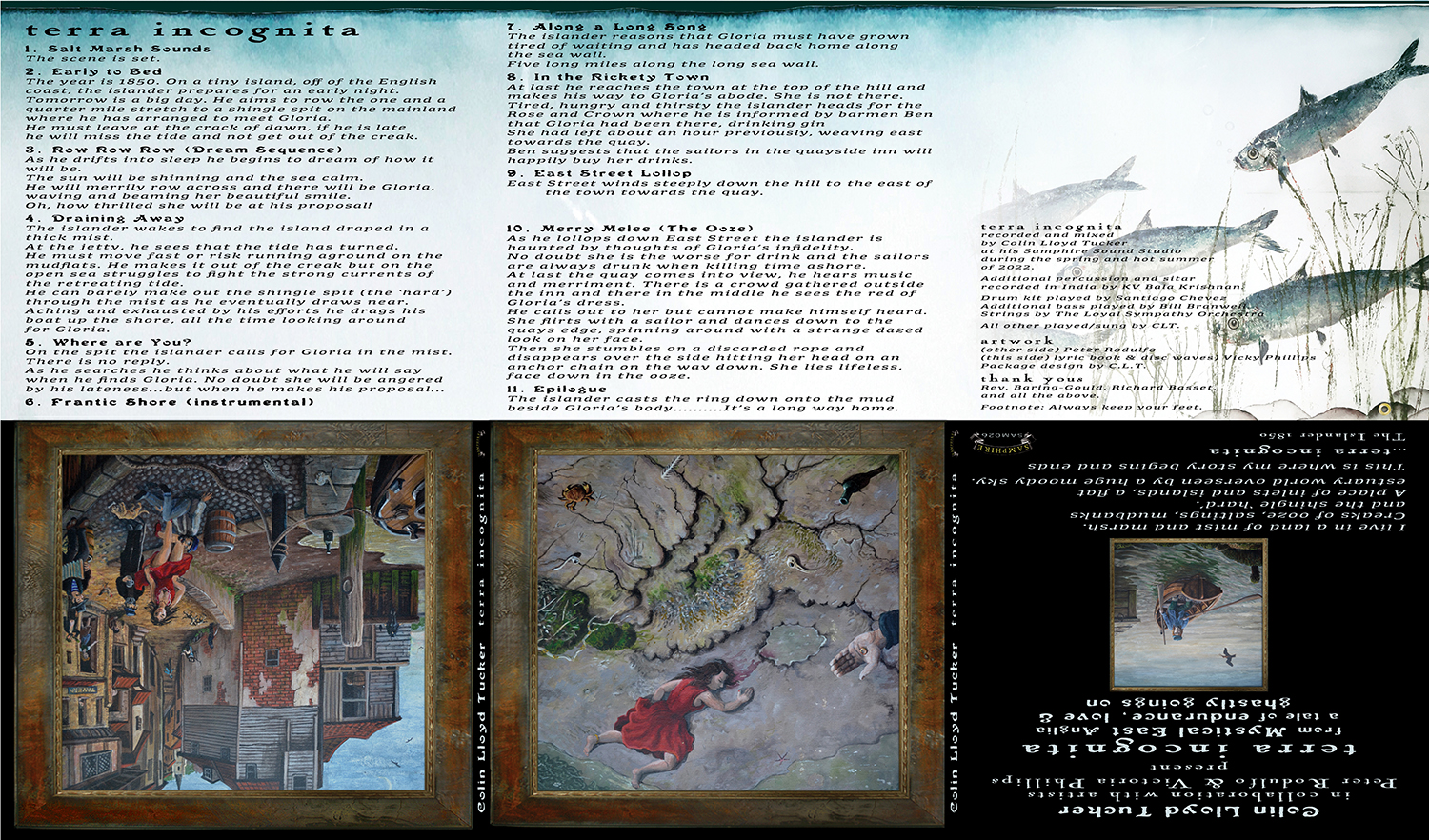
Also included here, inking up my dear old friend Dave, who sadly is no longer with us. Such a lot of laughter that day. A wonderful face and a wonderful day, and look at the results….. Super-cool and immortalised.